

TL;DR:
- Limited edition fashion involves intentionally producing garments in restricted quantities or within specific timeframes, emphasizing genuine scarcity. Authentic releases are structured around clear production numbers, capsule collections, or exclusive collaborations, unlike vague marketing claims. Understanding these mechanics and psychological triggers helps buyers identify real value and cultural significance in limited fashion.
Few phrases in fashion are thrown around as loosely as “limited edition.” Brands stamp it on everything from fast fashion drops to genuine one-of-a-kind pieces, and the result is a term that has lost meaning for many shoppers. But what is limited edition fashion at its core? It is a deliberate act of scarcity. Not a product that happened to sell out, but a garment produced in restricted quantity or time by design, with a specific creative or commercial intention behind it. This guide unpacks the mechanics, psychology, cultural weight, and buying intelligence behind truly limited releases.
Key takeaways
| Point | Details |
|---|---|
| Scarcity is deliberate | Genuine limited edition fashion controls supply by design, not by accident or popularity. |
| Psychology drives demand | FOMO and emotional urgency are measurable forces behind impulse purchases in limited drops. |
| Brands benefit strategically | Limited runs allow creative experimentation while reducing overproduction and unsold inventory. |
| Not all claims are equal | Numbered pieces, clear production caps, and capsule frameworks signal authentic rarity. |
| Value can appreciate | Authenticated luxury limited editions retain and grow in resale value over time. |
What limited edition fashion actually means
The industry term you will encounter alongside “limited edition” is capsule collection, a tightly curated group of pieces released within a defined window. Both concepts share the same backbone: controlled scarcity. Limited edition fashion involves apparel produced in a restricted quantity or made available only within a set period, and that restriction is a strategy, not a side effect.
What separates a genuine limited edition from a standard product that simply sold through quickly? Structure. The scarcity has to be built in from the start, not declared after the fact.
Common scarcity mechanics include:
- Numbered production runs: Each piece carries a number, such as 47 of 200, confirming the total made.
- Capsule collections: A defined set of styles released together, often tied to a theme, season, or collaboration.
- Artist and brand collaborations: Two creative parties produce a joint collection available only during an agreed window.
- Exclusive colourways or materials: A silhouette available in the standard range but offered in a fabric or colour produced once only.
- Timed drops: Items go on sale for 24 to 72 hours, after which production closes regardless of demand.
The distinction matters because the word “limited” is unregulated. Any brand can use it. What you are looking for, as a discerning buyer, is a framework around the limitation.
Pro Tip: When assessing whether a release is genuinely limited, ask one question: does the brand publish the production number or the closing date? If neither exists, treat the scarcity claim with scepticism.
Understanding capsule collection logic also helps here. Capsules are built around a creative theme and managed as a complete inventory unit. That structure is what makes them meaningful rather than arbitrary. A Japanese streetwear brand releasing a six-piece capsule inspired by boro textile traditions, with natural indigo dyeing and a defined run of 150 sets, is operating with genuine intent. A brand adding “limited” to a reorder of last season’s bestseller is not.
The psychology behind scarcity and desire
There is a reason exclusive fashion releases create the kind of excitement that queues form around. The response is not irrational. It is deeply psychological, and the mechanics are well understood.
Research published in 2025 confirms that scarcity appeals increase impulse buying intentions, with fear of missing out acting as the primary mediating force. When you see “only 8 remaining” or “available until Sunday,” your brain registers a threat of loss, and loss aversion is one of the most powerful forces in human decision-making.
“Scarcity triggers a psychological cocktail of FOMO, exclusivity, and emotional urgency that brands leverage for commercial success.”
What is less widely discussed is that the type of scarcity message changes how you respond. Limited-quantity framing, such as “only 50 made,” creates a sense of competition with other buyers. Limited-time framing, such as “available for 48 hours,” creates urgency tied to the clock rather than to other people. Scarcity messaging format genuinely alters buyer perception and the nature of the FOMO experienced.
Brands that understand this use both deliberately. A drop might announce both a unit cap and a closing date, stacking urgency from two directions.
Beyond urgency, there is identity at play. Wearing a piece from a limited run in streetwear signals cultural awareness. It tells those who recognise it that you were paying attention, that you understand the reference, and that you acted. That is worth something in communities where fashion literacy carries social meaning. Storytelling and cultural narrative amplify this further. A collaboration rooted in a genuine artistic dialogue carries weight that a standard product cannot replicate.
Brand strategy and sustainability in limited editions
From the brand’s side, limited editions are not just a sales mechanism. They are a considered creative and operational decision with real consequences for sustainability and business health.
Here is how thoughtful brands approach limited run apparel strategically:
-
Test new creative directions. A limited capsule lets a brand introduce an unexpected material, silhouette, or aesthetic without committing the full production line. If the market responds, the direction can be developed. If not, the experiment concludes cleanly.
-
Align supply with real demand. The fast fashion model produces at scale and hopes stock moves. Limited edition drops reduce environmental impact by producing only what the demand signals support, eliminating the waste cycle of unsold inventory.
-
Strengthen brand identity. Releasing fewer, more considered pieces communicates seriousness about craft. It positions the brand away from disposable fashion and towards heritage and quality. The Japanese capsule collection model embodies this particularly well, with releases built around seasonal references, philosophical concepts, or textile traditions.
-
Create genuine collector value. When a piece is produced in a defined quantity and the brand has cultural credibility, resale value tends to hold or grow. That creates a different kind of loyalty among buyers who see fashion as both cultural expression and considered investment.
-
Reduce overstock and markdown dependency. Brands that over-produce are forced into heavy discounting, which erodes brand perception. Balancing supply and demand through limited runs removes that pressure entirely.
Pro Tip: If you are drawn to a brand’s limited releases from a sustainability perspective, look for those that publish production volumes and material sourcing. Transparency in both areas confirms that the scarcity is genuinely tied to responsible production rather than inflated for marketing purposes.
The link between limited edition fashion and mindful consumption is growing stronger. Buying fewer, better pieces from brands that produce with intention is a straightforward way to reduce personal fashion waste without abandoning style.
Notable examples and cultural significance
To understand the concept fully, it helps to look at how limited fashion collections operate in practice across different cultural contexts.
| Collection | Format | What made it genuinely limited |
|---|---|---|
| Jung Kook × Calvin Klein capsule | 20 styles, timed drop | Defined style count, exclusive release window, cultural collaboration |
| Pacsun × The Met Cloisters Holiday | Museum collaboration capsule | Institutional partnership, themed design, one-season availability |
| Harajuku streetwear micro-drops | Small-batch local production | Ultra-low unit counts, often under 100 pieces, community-first release |
| Japanese artisan textile capsules | Material-led, numbered pieces | Rare fabric sourcing, hand-finishing, documented production runs |
Celebrity collaborations like the Jung Kook and Calvin Klein capsule demonstrate how cultural weight and a defined release structure combine to create genuine demand. The collection featured 20 styles with a clear drop window, meaning buyers understood exactly what existed and when access would close.
Museum partnerships, such as the Pacsun and Met Cloisters collaboration, show that limited editions can carry intellectual and artistic provenance beyond fashion alone. These are not just clothes. They are objects connected to a specific creative moment.
In Japanese streetwear, the limited edition principle runs particularly deep. Harajuku fashion has long operated on micro-drop logic, with small Tokyo boutiques releasing runs of fewer than 100 pieces, sometimes far less. The scarcity is not a marketing device. It is a reflection of how the work is made: slowly, by hand, with materials that exist in finite supply. That philosophy aligns directly with what makes exclusive fashion releases culturally meaningful rather than commercially manipulative.
The community dimension matters too. Owning a piece from a genuine limited run connects you to a specific moment and a specific group of people who were also paying attention. That shared recognition creates the kind of belonging that mass-produced fashion structurally cannot offer.
How to identify genuine limited edition clothing
Not every “limited edition” claim deserves the name. Here is how to distinguish real scarcity from marketing language.
- Look for numbered pieces. A garment labelled “047 of 200” carries verifiable proof of its place in a defined run. This is the strongest indicator of genuine limited edition fashion.
- Check for a capsule framework. Does the brand name the collection, define the pieces within it, and close it on a specific date? Structure signals intent.
- Research the brand’s production history. Brands with a consistent pattern of small-batch releases are more credible than those deploying “limited” language for the first time on a mainstream product.
- Verify provenance for premium pieces. For luxury limited editions, authentication documents, purchase receipts, and brand registry entries all support resale value. Luxury limited editions with verified provenance show documented appreciation over time.
- Be sceptical of vague language. Phrases like “exclusive styles” or “limited availability” without numbers or dates are not indicators of genuine scarcity.
- Consider cultural and brand relevance. A limited piece from a brand with deep creative credibility in its space holds value differently from one produced by a brand using scarcity as a one-time promotional tool.
Pro Tip: Before purchasing a premium limited piece with resale value in mind, check recent sold listings on established resale platforms for that brand and collection. Real appreciation leaves a price trail.
Knowing how to score exclusive releases before they sell out is itself a skill worth developing. Setting release reminders, following brand newsletters, and building familiarity with a brand’s drop cadence all give you a structural advantage over impulse buyers who arrive after the window has closed.
My perspective on limited edition fashion in 2026
What I have observed working closely with limited edition releases in Japanese streetwear is that the concept has never been more relevant, and never more abused at the same time.
The brands I respect most treat scarcity as an ethical commitment rather than a lever. When we produce a limited run at Incident, the number is set by the material, the production capacity, and the creative intention, not by what we think will generate the most urgency online. That is a meaningful distinction. It is the difference between respecting your buyer and manipulating them.
What I have learned about consumer behaviour is that people who truly understand limited edition fashion are not impulse buyers. They are discerning. They read the provenance, they know the brand’s history, and they understand what makes a piece worth owning beyond its scarcity. That is the audience worth earning.
The future of limited editions lies in the intersection of sustainability and craft. Brands that produce small, produce well, and tell the truth about their production numbers will build the kind of loyalty that transcends seasons. I genuinely believe that a well-made piece from a 150-unit Japanese streetwear capsule carries more long-term cultural and material value than almost anything produced at industrial scale.
My advice: stop chasing drops and start understanding them. Learn the brand, understand the evolution of streetwear, and let that knowledge guide what you choose to own.
— Incident
Discover Incident’s curated collections
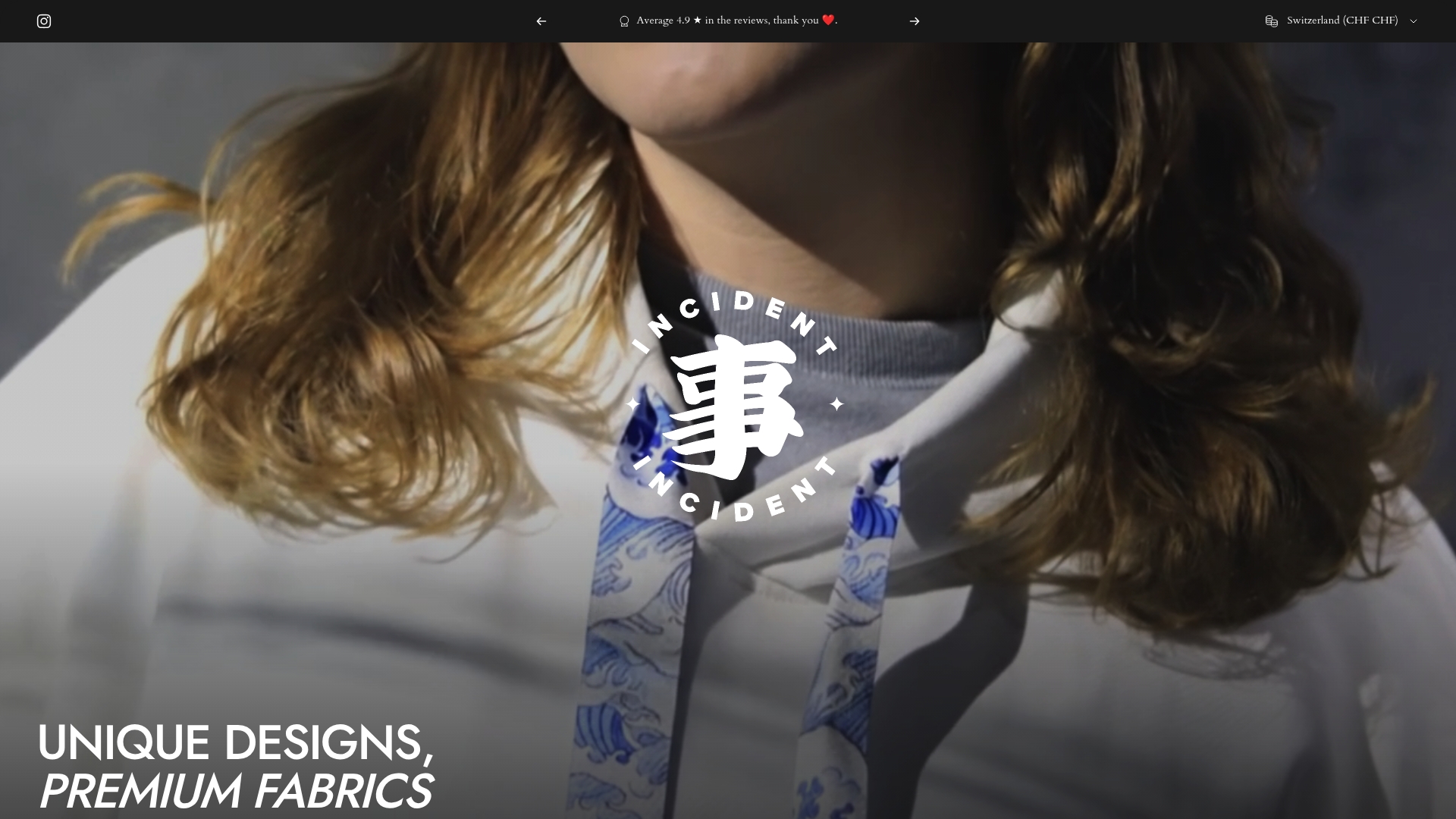
At Incident, we take the principles of limited edition fashion seriously. Every collection we release is built around a defined creative concept, premium materials, and an honest production run. Nothing is labelled scarce unless it genuinely is.
Our Pima T-shirt collection is a clear expression of that commitment. Each piece is crafted from Peruvian Pima cotton, chosen for its extraordinary softness and durability, and designed with the clean lines and considered detail that define the Japandi aesthetic at the heart of everything we make. These are not trend pieces. They are garments built to last, released in quantities that reflect genuine craft rather than manufactured urgency.
If you appreciate fashion that carries meaning beyond its label, Incident is worth exploring. Browse our latest drops and capsule releases at incident.store and discover what Japanese-inspired streetwear looks like when it is made without compromise.
FAQ
What is limited edition fashion in simple terms?
Limited edition fashion refers to garments produced in a restricted quantity or time window by design, making them genuinely scarce rather than simply popular.
How does limited edition fashion differ from regular clothing?
Regular clothing is produced continuously to meet ongoing demand. Limited edition pieces have a fixed unit count or release window, after which production ends permanently.
Why do limited edition drops create such strong demand?
Scarcity appeals trigger FOMO and emotional urgency in buyers, making the prospect of missing out feel like a real loss and driving faster purchase decisions.
Do limited edition clothes hold their value?
Premium limited editions with verified provenance tend to retain and appreciate in resale value, particularly from brands with strong cultural credibility and authenticated production records.
How can I tell if a limited edition claim is genuine?
Look for numbered pieces, a defined production cap, or a structured capsule framework with a closing date. Vague language like “exclusive styles” without supporting data is not a reliable indicator of true scarcity.
Share:
Why made in Japan matters: craftsmanship and culture
What is off-duty style? Your 2026 guide to mastering it