

TL;DR:
- Otaku clothing is thoughtfully designed anime-inspired apparel emphasizing fabric quality, silhouette, and Japanese streetwear aesthetics for everyday wear. High-quality pieces feature published GSM, official licensing, and restrained graphic placement, elevating beyond mass-produced merch. Building a wardrobe with restraint and premium craftsmanship ensures garments remain stylish and relevant over time.
Otaku clothing is anime-inspired apparel designed with deliberate attention to fabric weight, silhouette, and Japanese streetwear aesthetics, offering fans a genuinely wearable alternative to basic fandom merchandise. The term “otaku” originates from Japanese subculture, describing devoted enthusiasts of anime, manga, and gaming, and the clothing that carries this identity has matured far beyond printed T-shirts sold at convention stalls. Today, the best anime apparel draws from Harajuku street style, official licensing collaborations, and garment engineering principles that rival mainstream premium streetwear. This guide presents the top 10 otaku clothing styles and brands worth your attention in 2026, with each selection evaluated on fabric quality, cultural authenticity, and everyday wearability.
1. What features define high-quality otaku clothing for everyday wear?
Authentic anime streetwear treats the entire garment as a design object, not merely a canvas for a graphic. Anime streetwear is defined by silhouette, fabric weight, wash treatment, and print placement working together as a cohesive whole. This distinction separates premium otaku clothing from the mass-produced merchandise that feels like a costume the moment you step outside a convention.
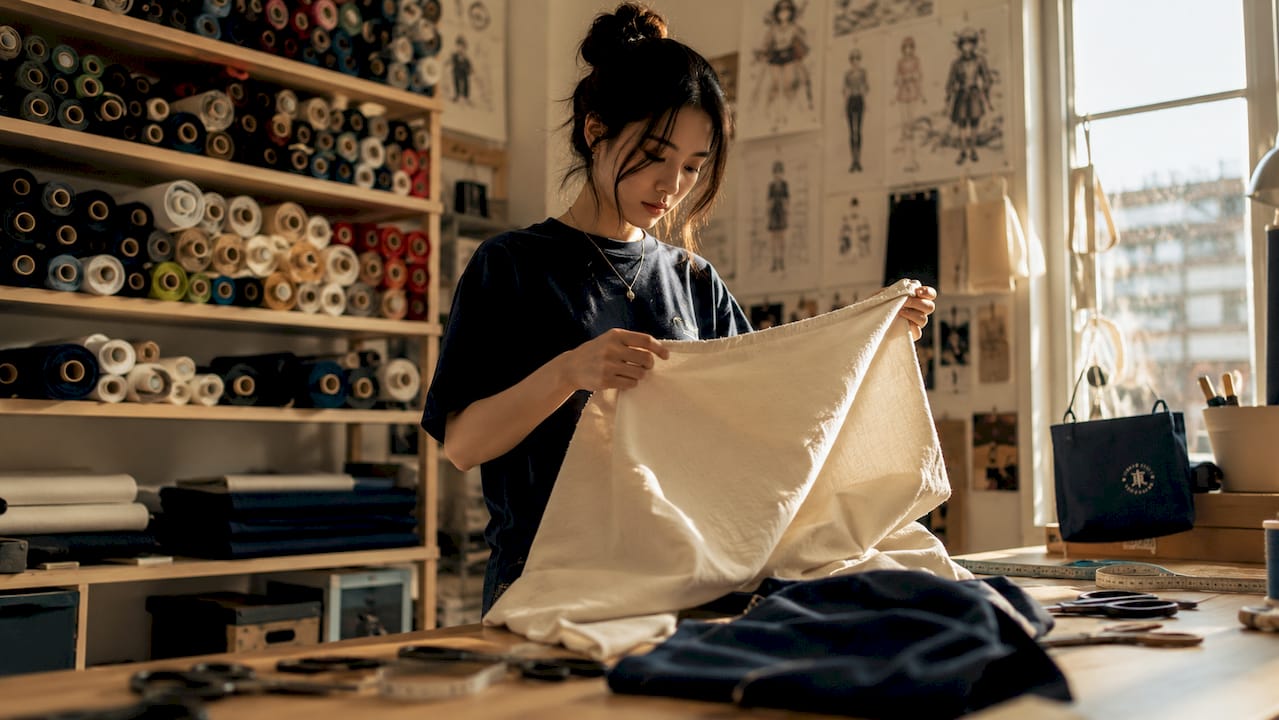
Fabric weight (GSM) is the clearest quality signal. GSM stands for grams per square metre, and it determines how a garment drapes, holds its shape, and survives repeated washing. A 220gsm to 285gsm cotton construction signals a structured, durable piece rather than a flimsy screen-print tee. Higher GSM fabrics also accept faded wash treatments more gracefully, producing that worn-in, premium aesthetic associated with Japanese urban fashion.
Fit and silhouette matter equally. Oversized cuts, dropped shoulders, and elongated hems are hallmarks of Japanese street style and translate naturally into otaku apparel. A well-proportioned oversized Japanese hoodie reads as intentional streetwear; a poorly cut one simply looks too large. Seek brands that publish their fit specifications rather than relying on vague size charts.
Print placement and finishing method distinguish the serious brands. Embroidery carries more visual weight and longevity than standard screen printing. Faded wash effects, applied before printing, create depth that flat prints cannot replicate. Official licensing also matters here: licensed collections are designed with narrative intent rather than slapping a character face on a blank garment.
- Look for GSM specifications published on product pages (220gsm minimum for tees, 300gsm for hoodies)
- Prioritise oversized or relaxed fits with defined shoulder seams
- Choose embroidery or discharge printing over standard plastisol screen prints
- Verify official licensing marks or collaboration credits on product pages
- Study Harajuku sub-genres (visual kei, techwear, minimalist) to identify which aesthetic aligns with your wardrobe
Pro Tip: Before purchasing, check whether the brand lists fabric treatment details such as pre-shrunk status. Pre-shrunk 285gsm cotton retains its silhouette after washing, which is the difference between a garment that lasts two years and one that distorts after six washes.
2. Heavyweight graphic tees: the foundation of anime apparel
The heavyweight graphic tee is the cornerstone of any otaku wardrobe. Hakusuru’s Spike Spiegel T-shirt, constructed from 220gsm pre-shrunk cotton, demonstrates how fabric engineering transforms a character graphic into a genuine streetwear piece. The weight gives the garment structure; the pre-shrunk treatment preserves the silhouette; the print placement frames the artwork rather than flooding it across the chest.
For fans of Cowboy Bebop, this piece carries cultural weight beyond the character itself. The composition references cinematic poster design rather than merchandise illustration, which is precisely what separates anime streetwear from convention merch. Pair it with wide-leg trousers and minimal footwear, and the result is a Japan-inspired outfit that functions in any urban setting.
3. Embroidery tees: craft meets manga fashion
Embroidery elevates otaku clothing into the territory of considered craftsmanship. Hakusuru’s Akatsuki Cloud Embroidery T-shirt uses 285gsm faded wash fabric with stitched detailing that adds tactile dimension to the Naruto iconography. The faded wash treatment ages the base fabric deliberately, creating contrast that makes the embroidery read as intentional design rather than decoration.
The practical advantage of embroidery over print is durability. Stitched motifs do not crack, peel, or fade with washing in the way that screen-printed graphics do. For fans who want manga fashion pieces that hold their quality over years of wear, embroidered garments represent the most considered investment in the category.
4. Official licensed collections: Jujutsu Kaisen and beyond
Official licensing is the clearest marker of authenticity in otaku clothing. In March 2026, Subtitle and Toho International debuted an 18-piece Jujutsu Kaisen collection co-designed with Toho Animation STORE US, applying narrative-driven layouts that reduce the costume-like appearance common in unlicensed merchandise. The collection treats the Jujutsu Kaisen world as a design brief rather than a brand asset to exploit.
Narrative-driven design in licensed collections reduces costume effects, making pieces genuinely wearable as streetwear rather than cosplay outfits. This is the critical distinction: an officially licensed garment is designed with the IP holder’s creative input, which typically results in more considered colour palettes, restrained graphic placement, and silhouettes that align with current fashion rather than convention display.
5. Harajuku-inspired layering: the styling system behind otaku fashion
Harajuku is the birthplace of kawaii culture and the most influential street style district in Japanese fashion history. It encompasses multiple sub-genres including lolita, visual kei, techwear, and cosplay-adjacent styles, each with its own layering logic. Understanding Harajuku as a collection of distinct style systems rather than a single aesthetic gives you a practical framework for building otaku outfits that feel culturally grounded.
Authentic Harajuku-inspired style is assembled through compatible layers and textures rather than built around a single statement piece. A heavyweight anime graphic tee worn under an open overshirt, paired with tapered cargo trousers and chunky footwear, applies Harajuku layering logic to everyday geek streetwear. The result is an outfit that communicates fandom without reading as costume.
Explore the Harajuku fashion revolution as a reference point for understanding how these sub-genres translate into wearable streetwear combinations. The cultural grounding makes the difference between an outfit that looks considered and one that looks assembled from a merch table.
6. Oversized hoodies: Japanese pop culture clothing for cooler months
The oversized Japanese hoodie is the most versatile piece in otaku clothing. Heavyweight fleece constructions at 380gsm to 420gsm provide the structure needed for the dropped-shoulder silhouette to read correctly. Brands that produce anime apparel in this weight range typically publish their GSM specifications, which is itself a quality signal: brands confident in their fabric engineering are transparent about it.
Japanese pop culture clothing in hoodie form works best when the graphic or embroidery is restrained. A single kanji character on the chest, a minimal motif on the sleeve, or a tonal embroidered crest reads as Japanese aesthetic fashion. A full-chest character print on a hoodie risks crossing into cosplay outfits territory. The distinction is proportion and restraint.
7. Kanji and typography tees: subtle geek streetwear
Kanji streetwear occupies a unique position in otaku clothing because it communicates Japanese cultural identity without relying on character imagery. A Japanese typography tee featuring a phrase from a beloved series, rendered in traditional brushstroke calligraphy, functions as both fandom expression and considered design. Fans who recognise the reference appreciate it; those who do not see a well-designed garment.
This subtlety is particularly valuable for fans who want to wear their interests in professional or social settings where overt character graphics would feel out of place. Japanese black clothing with tonal kanji embroidery represents the most refined expression of this approach. The restraint is the point.
8. Minimalist Japanese motif clothing: where streetwear meets Japandi
The Japandi design philosophy, which merges Japanese minimalism with Scandinavian functionality, produces some of the most wearable otaku-adjacent clothing available. Garments in this category feature Japanese motif clothing elements such as wave patterns, torii gate silhouettes, or cherry blossom outlines rendered in clean, geometric line work rather than illustrative detail.
Incident, based in Switzerland, applies this Japandi-influenced philosophy to its collections, producing pieces that sit at the intersection of Japanese craftsmanship and contemporary urban style. The result is Japanese culture clothing that functions as premium streetwear for daily wear, not as fandom merchandise with a limited context of use.
9. Limited edition and seasonal collections: exclusivity in anime apparel
Limited edition releases create genuine scarcity in otaku clothing, which drives both collector interest and resale value. Brands that release seasonal collections tied to anime broadcast schedules, such as drops aligned with new Demon Slayer or Chainsaw Man arcs, create urgency that standard product lines cannot replicate. The anime streetwear options available in 2026 include several such limited collaborations worth tracking.
The practical advice for buyers is to follow brand newsletters and social channels rather than relying on retail aggregators. Limited drops sell out before they reach third-party platforms. Buying directly from the brand also reduces counterfeit risk, which is a genuine concern in the otaku clothing market where unlicensed reproductions of popular character graphics are common.
10. Where to buy otaku clothes: trusted sources for authentic pieces
Where to buy otaku clothes is one of the most searched questions in this category, and the answer depends on what you prioritise. For officially licensed anime apparel, Crunchyroll’s merchandise store and Toho Animation STORE US carry authenticated collections. For premium streetwear-grade otaku clothing with serious fabric engineering, specialist brands like Hakusuru publish full garment specifications and operate direct-to-consumer online stores.
For Japanese-inspired streetwear that blends otaku aesthetics with minimalist design, Incident’s online store at incident.store offers curated pieces that reflect Japanese craftsmanship without relying on character licensing. Urban fashion insights from sources like URBALENTI also provide broader context on how Japanese streetwear influences are shaping global fashion in 2026. The key principle when sourcing is to buy from brands that are transparent about their fabric specifications, licensing status, and design intent.
How to incorporate otaku clothing into everyday streetwear outfits
Styling otaku clothing for daily wear requires the same thinking that Harajuku practitioners apply: treat each piece as part of a system rather than a standalone statement. The Harajuku approach treats street style as multiple subcultural systems, each with its own layering rules, and applying this logic to anime apparel produces outfits that feel intentional rather than accidental.
- Anchor with a quality base piece. Start with a heavyweight anime graphic tee or a kanji typography tee as your foundation. The fabric weight and fit of this piece determine the proportions for everything layered over it.
- Layer with neutral outerwear. An open overshirt in black, ecru, or olive creates contrast without competing with the graphic. Japanese black clothing works particularly well here because it frames the base piece without adding visual noise.
- Balance the silhouette. Oversized top with tapered or straight-leg trousers creates the proportional balance associated with Japanese street style. Avoid oversized top with oversized bottom unless you are deliberately referencing a specific Harajuku sub-genre.
- Choose accessories with restraint. A single accessory with Japanese motif detail, such as a beaded bracelet with kanji characters or a minimal tote bag with Japanese typography, reinforces the aesthetic without overcrowding the look.
- Select footwear that grounds the outfit. Chunky trainers, minimalist leather sneakers, or Japanese-inspired sandals each carry different aesthetic signals. Chunky soles reference techwear and visual kei; minimal sneakers align with Japandi minimalism.
- Consider colour palette discipline. Harajuku sub-genres each have distinct palette logic. Minimalist Japanese urban fashion favours black, white, and earth tones. Kawaii-adjacent styles embrace pastels. Choose a palette and commit to it across the outfit.
- Use Japanese styling guides as reference. Incident’s guide on Japanese streetwear styling provides practical outfit frameworks that translate these principles into concrete combinations.
Pro Tip: The most versatile pieces in otaku clothing are those that work without the fandom context. If a garment reads as well-designed streetwear to someone unfamiliar with the source material, it will serve you in more situations than a piece that only makes sense to fellow fans.
How licensing impacts otaku clothing authenticity and wearability
Official licensing is not merely a legal formality. It is a design constraint that typically produces better garments. When a brand like Subtitle works directly with Toho International on a Jujutsu Kaisen collection, the IP holder’s creative team participates in decisions about colour, composition, and silhouette. The result is a collection that reflects the world of the source material rather than simply reproducing character images.
Legally, licensing anime imagery requires navigating copyright and trademark permissions with the relevant rights holders. For buyers, this means that officially licensed apparel is safer to purchase, resell, and wear without concern about supporting counterfeit production. For producers, it means working within a creative brief that often elevates the design outcome.
The practical differences between licensed and unlicensed otaku clothing are visible in the details:
- Licensed garments typically feature restrained graphic placement and considered colour palettes
- Unlicensed pieces often reproduce character images at maximum scale without compositional intent
- Official collections include collaboration credits and licensing marks on labels or hangtags
- Licensed apparel supports the IP holders and the creative teams behind the source material
- Counterfeit otaku clothing frequently uses inferior fabric weights and printing methods that degrade quickly
The wearability advantage of licensed collections is real. A garment designed with narrative intent, where the character imagery serves a compositional purpose rather than filling available space, reads as fashion. A garment where the character image is simply enlarged and centred reads as merchandise.
Key takeaways
Authentic otaku clothing is defined by fabric engineering, official licensing, and Harajuku-informed styling, not by graphic prints alone.
| Point | Details |
|---|---|
| Fabric weight signals quality | Seek 220gsm to 285gsm cotton for tees; higher GSM delivers structure, durability, and better print results. |
| Licensing elevates design | Officially licensed collections involve IP holder creative input, producing more wearable and culturally respectful garments. |
| Harajuku is a styling system | Treat Harajuku as multiple sub-genres with distinct layering rules rather than a single aesthetic to copy. |
| Restraint defines streetwear | Oversized fits, tonal embroidery, and kanji typography read as streetwear; full-chest character prints risk reading as costume. |
| Source directly from brands | Buying direct reduces counterfeit risk and gives access to limited drops before they reach aggregator platforms. |
Incident’s perspective on choosing otaku clothing that lasts
We have spent considerable time thinking about what separates otaku clothing that earns a permanent place in your wardrobe from pieces that feel dated after a single season. The answer is almost never about which character or series is on the garment. It is about whether the garment was designed with the same care as any other premium streetwear piece.
The brands we respect in this space are the ones that publish their GSM specifications without being asked, that treat the licensing process as a creative collaboration rather than a commercial transaction, and that understand Harajuku not as a trend reference but as a living tradition of individualistic style. These are the same values we apply at Incident when we design Japanese-inspired pieces that sit at the intersection of craftsmanship and contemporary urban culture.
Our honest advice for new buyers is this: resist the pull of the cheapest option bearing your favourite character’s face. The unlicensed, low-GSM tee will disappoint you within months. Spend slightly more on a piece with published fabric specifications, a verified licensing credit, and a silhouette that works as streetwear independent of the graphic. That piece will still be in your rotation in three years.
For fans building a wardrobe rather than a collection of momentary purchases, the Japandi-influenced minimalist approach offers the longest runway. Pieces that reference Japanese culture through typography, motif, and silhouette rather than character imagery age gracefully and work across more contexts. Fandom expression does not require maximalism. The most considered otaku wardrobes we have seen are built on restraint, quality, and a genuine understanding of Japanese aesthetic fashion.
— Incident
Discover Japanese streetwear at Incident
Incident designs premium Japanese-inspired streetwear from Switzerland, crafting garments that honour Japanese craftsmanship through clean lines, considered fabric choices, and a Japandi-influenced aesthetic. Every piece in our collection is built for daily wear, not display.
Whether you are building your first otaku-inspired wardrobe or refining a collection that already reflects your passion for Japanese culture, our curated range offers pieces that hold their quality and their relevance across seasons. From Japanese graphic tees to oversized hoodies with minimalist Japanese motif detailing, each garment is designed to function as genuine streetwear. Visit our full collection to explore what Japanese aesthetic fashion looks like when it is built to last.
FAQ
What is otaku clothing?
Otaku clothing is anime and manga-inspired apparel designed with attention to fabric quality, silhouette, and Japanese streetwear aesthetics, going beyond basic character merchandise to function as genuine everyday fashion.
How do I identify high-quality anime apparel?
Look for published GSM fabric specifications (220gsm or above for tees), official licensing credits, and garment details such as embroidery or faded wash treatments that indicate considered construction rather than mass production.
Is officially licensed otaku clothing worth the higher price?
Yes. Licensed collections involve IP holder creative input, which typically produces more wearable designs with restrained graphic placement, better fabric choices, and legal compliance that unlicensed alternatives cannot offer.
How do I style otaku clothing for everyday wear?
Apply Harajuku layering principles: anchor with a quality base piece, layer with neutral outerwear, balance silhouette proportions, and limit accessories to one or two pieces with Japanese motif detailing for a cohesive look.
Where is the best place to buy otaku clothes online?
Buy directly from specialist brands that publish fabric specifications and licensing credentials. Direct purchases reduce counterfeit risk and provide access to limited edition drops before they reach third-party platforms.
Share:
Top 4 Streetwear Sneakers Alternatives 2026
Vintage skatewear: the complete style guide for 2026