


Street fashion has never been more layered, literally and figuratively. Across Tokyo, Berlin, and London, a quiet shift is happening: the loudest outfit in the room is no longer the most admired one. Silhouette, material quality, and restraint now carry more weight than logos or hype. Japanese minimalism, with its roots in Wabi-Sabi philosophy and the concept of Ma (negative space), has moved from niche to global influence. This article breaks down every major street fashion type, from classic streetwear to gorpcore, and gives you the criteria to choose what truly fits your style and values.
Table of Contents
- How to evaluate street fashion: Key selection criteria
- Classic streetwear: From hip-hop to luxury
- Japanese minimalist streetwear: Architectural and refined
- Workwear-inspired minimalism: Utility meets street
- Gorpcore and technical outdoors: Function and adaptation
- Comparison of major street fashion types: Features and fit
- How to choose your street fashion style: Recommendations and expert insights
- Upgrade your wardrobe with quality minimalist streetwear
- Frequently asked questions
Key Takeaways
| Point | Details |
|---|---|
| Japanese minimalism principles | Neutral colors, oversized silhouettes, and architectural layering define Japanese minimalist streetwear. |
| Utility and durability | Workwear-inspired and gorpcore styles prioritize functional fabrics and sustainability for modern urban life. |
| Global style evolution | Streetwear now blends hip-hop roots with luxury and Japanese influences to suit different lifestyles. |
| Choosing your look | Personal style matters—mix streetwear types to match your needs and city environment. |
How to evaluate street fashion: Key selection criteria
Before you invest in any piece, you need a framework. Street fashion is broad, and without clear criteria, it is easy to chase trends that fade fast. The best way to approach it is to evaluate each style against a few core principles.
The Japanese minimalist fashion approach offers a strong foundation: neutral and monochromatic palettes, timeless oversized silhouettes like wide-leg trousers and boxy tops, and high-quality natural materials such as cotton, linen, and wool. These principles, shaped by Wabi-Sabi (finding beauty in imperfection), Zen simplicity, and Ma (the intentional use of empty space), create garments that age well and wear better.
Here are the key criteria to evaluate any street fashion style:
- Silhouette and proportion: Does the shape feel intentional? Oversized does not mean shapeless.
- Material quality: Natural fibers and technical fabrics outlast synthetic fast-fashion alternatives.
- Layering logic: Good layering adds depth without bulk. Ma teaches us that space between layers matters.
- Color palette: Neutral tones offer versatility; bold palettes demand more styling effort.
- Sustainability: Durability and ethical production are now baseline expectations, not bonuses.
- Craftsmanship: Seam quality, stitching, and finishing details reveal a garment’s true value.
Pro Tip: When shopping for minimalist streetwear, hold the fabric up to light. Premium cotton and linen have a natural texture and slight irregularity that synthetic blends cannot replicate. That subtle difference is Japanese minimalist luxury made tangible.
Classic streetwear: From hip-hop to luxury
With these criteria in mind, let us begin with the most foundational street fashion style. Classic streetwear did not emerge from fashion houses. It grew from the streets, shaped by hip-hop, surf and skate culture, and punk energy. The streetwear origins trace back to youth subcultures that valued self-expression over convention, with graphic tees, hoodies, sneakers, and limited-edition drops as the core vocabulary.
Japanese brands like BAPE and Neighborhood brought a new level of craft to the genre, blending American street culture with Japanese attention to detail. That fusion changed everything. Today, classic streetwear sits at the intersection of youth culture and luxury, with collaborations between Supreme and Louis Vuitton or Nike and Sacai proving that the street and the runway now speak the same language.
Key elements of classic streetwear include:
- Graphic tees: Bold prints, brand logos, and cultural references
- Hoodies and sweatshirts: Relaxed fits, heavyweight fleece, and dropped shoulders
- Sneakers: The cornerstone of any streetwear outfit, from Air Force 1s to New Balance 990s
- Caps and accessories: Fitted caps, beanies, and crossbody bags complete the look
“The best streetwear pieces feel like artifacts. They carry a story, a moment, a culture. That is what separates a great graphic tee from a generic one.”
For a deeper look at building a wardrobe around this aesthetic, our classic streetwear guide covers the essentials with precision.
Japanese minimalist streetwear: Architectural and refined
Moving from classic influences, the next standout street fashion type comes from Japan’s minimalist architects. This is not the loud, layered chaos of Harajuku. Tokyo minimalist streetwear is quieter, more considered, and far more precise.
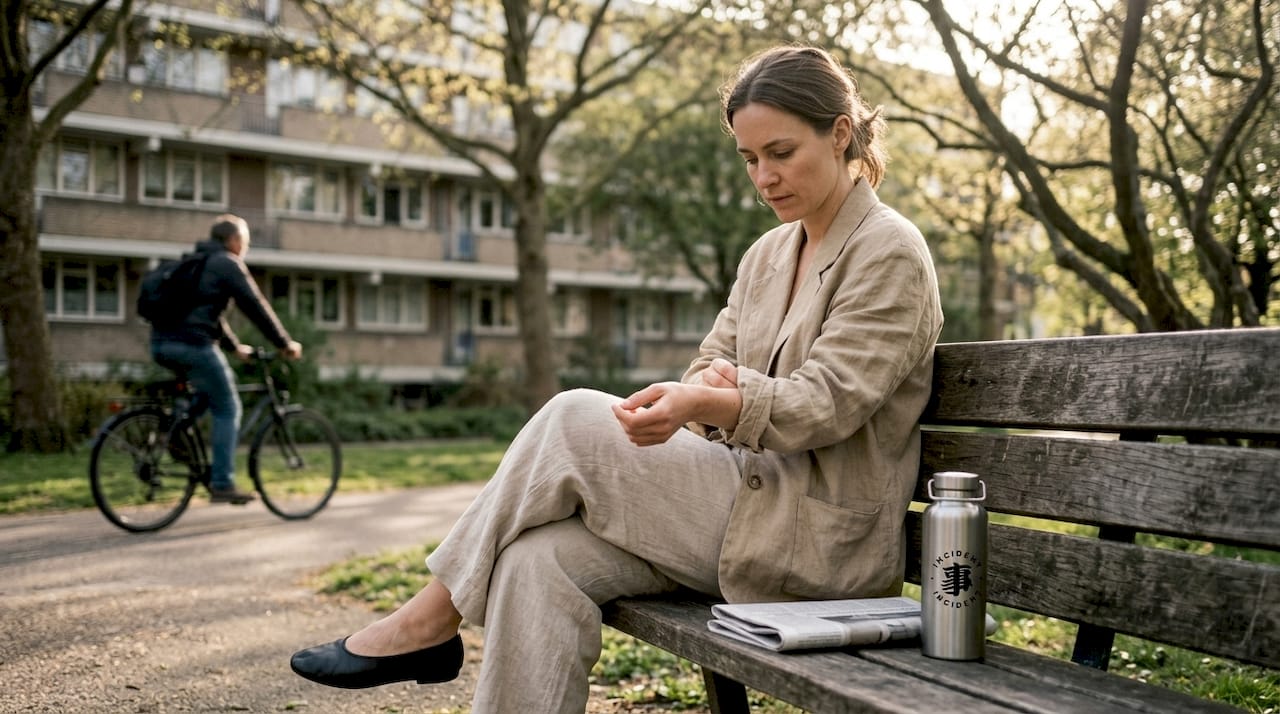
Japanese streetwear construction emphasizes planned volume, engineered seams, and layering that creates spatial depth rather than visual noise. Fabrics like denim, twill, and ripstop are chosen for their durability and their ability to hold a specific form over time. The garment is designed to move with you, not against you.
The top Japanese minimalist styles worth knowing are:
- Oversized silhouettes: Loose shirts, wide-leg pants, and boxy jackets that create architectural volume
- Monochrome outfits: Black, white, gray, and beige layered with texture contrast instead of color
- Layered neutrals: Tonal dressing that builds depth through fabric weight and cut
- Workwear-inspired pieces: Sturdy fabrics and utility details rooted in function
- Flowing outerwear: Long coats and kimono-style jackets that add drama without loudness
Pro Tip: The key to nailing oversized silhouettes is proportion control. Pair a voluminous top with a tapered or straight-leg bottom. One piece carries the volume; the other grounds it. This is the Ma principle in practice.
“Tokyo minimalism is not about wearing less. It is about wearing with more intention.”
Our Japanese fabrics guide explains how material choice shapes the entire aesthetic, and our deep look at the Harajuku streetwear revolution shows how Japan’s street culture evolved from maximalism to this refined restraint.
Workwear-inspired minimalism: Utility meets street
Japanese minimalist fashion merges well with workwear influences, and here is how utility and sustainability drive streetwear trends. Workwear-inspired minimalism takes the durability and function of labor clothing and strips it down to its most elegant form.
Workwear-inspired Japanese styles use sturdy fabrics and utility details as design features, not afterthoughts. Cargo pockets, reinforced stitching, and adjustable closures serve a real purpose. And workwear fabric choices like denim, twill, and ripstop are selected specifically for their durability and structural integrity.
Key features of workwear-inspired minimalism:
- Durable fabrics: Denim, canvas, twill, and ripstop that improve with wear
- Utility details: Cargo pockets, D-ring loops, and reinforced seams
- Neutral tones: Olive, navy, stone, and black dominate the palette
- Relaxed but structured fits: Garments that move freely but hold their shape
| Feature | Workwear minimalism | Fast fashion equivalent |
|---|---|---|
| Fabric weight | Heavy, structured | Light, synthetic |
| Pocket function | Fully functional | Decorative only |
| Durability | 5 to 10 years | 1 to 2 seasons |
| Sustainability | High | Low |
| Style longevity | Timeless | Trend-dependent |
Pro Tip: Invest in one great workwear jacket before anything else. A well-made chore coat or utility overshirt in a neutral tone will layer over almost everything in your wardrobe and only get better with age. Explore what defines high-quality Japanese garments before you buy.
Gorpcore and technical outdoors: Function and adaptation
Utility streetwear flows naturally to gorpcore, fusing outdoor gear and technical fabrics for modern urban living. Gorpcore (a term derived from “Good Ol’ Raisins and Peanuts,” trail mix slang) takes performance outdoor gear and makes it a street fashion statement.
Gorpcore essentials include shell jackets in Gore-Tex, trail shoes from brands like Salomon, tactical pants, and fleece layers. The appeal is modular and functional layering that adapts to city life as easily as it handles a mountain trail. Japanese brands like Snow Peak have been central to this movement, bringing their signature precision and material quality to technical outdoor wear.
What makes gorpcore relevant to street fashion:
- Shell jackets: Waterproof, packable, and visually striking in muted or earthy tones
- Trail shoes: Chunky soles and technical uppers that work on pavement and gravel alike
- Fleece layers: Texture-rich midlayers that add warmth and visual interest
- Tactical pants: Articulated knees, multiple pockets, and durable fabrics
- Modular accessories: Carabiners, chest rigs, and technical bags
Gorpcore aligns with the broader sustainability push in streetwear. Garments built for outdoor performance are inherently durable, and that durability reduces consumption over time. For styling ideas that blend technical and minimalist elements, our streetwear styling tips offer practical direction.
Comparison of major street fashion types: Features and fit
Having examined each major type, here is how they stack up side by side to help you choose what works best for your lifestyle.
| Style | Silhouette | Key fabrics | Color palette | Best for |
|---|---|---|---|---|
| Classic streetwear | Relaxed, graphic-forward | Cotton fleece, jersey | Bold, branded | Self-expression, culture |
| Japanese minimalist | Oversized, architectural | Cotton, linen, twill | Neutral, monochrome | Refined, timeless dressing |
| Workwear minimalism | Structured, utilitarian | Denim, canvas, ripstop | Olive, navy, stone | Durability, everyday function |
| Gorpcore | Modular, technical | Gore-Tex, fleece, nylon | Earth tones, muted | Active urban lifestyle |
Tokyo street style has shifted decisively toward quiet luxury and minimalism, with no-logo dressing and high-quality basics from labels like Auralee and Yohji Yamamoto leading the conversation. This is not a passing trend. It reflects a deeper cultural shift toward intentional consumption and lasting style.
For context on why this shift matters globally, our piece on Japanese streetwear hype traces the cultural momentum behind it.
How to choose your street fashion style: Recommendations and expert insights
The table shows the differences. Now, here is how to select and style them for your own wardrobe. The most important thing is to match your style choice to how you actually live, not to how you want to be perceived.
Architectural Japanese streetwear rewards those who understand silhouette control and fabric engineering. The mechanics are precise: balance oversized volume with a grounded bottom half, use tonal layering to add depth, and let the fabric do the talking. Avoid the trap of going fully oversized from head to toe. That is where proportion breaks down.
Here is a practical decision framework:
- Start with your lifestyle: Do you commute, travel, or spend time outdoors? Gorpcore or workwear minimalism may serve you better than pure aesthetics.
- Identify your palette: If you gravitate toward neutrals naturally, Japanese minimalism will feel effortless. If you love color and graphics, classic streetwear gives you more room.
- Invest in anchor pieces: One great coat, one quality tee, one versatile trouser. Build from there.
- Mix intentionally: A workwear chore coat over a minimalist monochrome outfit is a natural combination. A gorpcore shell over wide-leg trousers works equally well.
- Prioritize fabric over logo: Tokyo’s quiet luxury shift proves that the most admired wardrobes are built on quality, not branding.
Pro Tip: Learn the language of the styles you love. Our guide to streetwear terminology will help you shop smarter, communicate your aesthetic clearly, and avoid costly mistakes.
Upgrade your wardrobe with quality minimalist streetwear
You now have the framework, the comparisons, and the expert insights. The next step is finding pieces that actually live up to these standards.
At INCIDENT Clothing, we design Japanese-inspired minimalist streetwear from our base in Switzerland, crafting garments that honor the principles of Wabi-Sabi, Ma, and architectural precision. Every piece is made with premium fabrics and a commitment to lasting quality. Our pima cotton oversize tees are a perfect starting point: ultra-soft, beautifully structured, and built to anchor any minimalist wardrobe. Whether you are building your first capsule collection or refining an existing one, we are here to help you dress with intention and wear with pride.
Frequently asked questions
What defines Japanese minimalist streetwear compared to other styles?
Japanese minimalist streetwear uses neutral palettes and oversized silhouettes alongside premium fabrics and principles like Wabi-Sabi and Ma, creating restrained, architectural designs that prioritize craft over branding.
How is gorpcore different from classic streetwear?
Gorpcore centers on technical outdoor gear and modular layering, while classic streetwear is built around graphic tees, hoodies, and sneakers rooted in hip-hop and skate culture.
Why is Japanese workwear popular in global street fashion?
Japanese workwear offers durable fabrics like denim and ripstop with utility details that align with the global demand for sustainable, functional, and minimalist clothing.
What is the difference between Harajuku and Tokyo minimalist street styles?
Harajuku street style is bold, colorful, and maximalist in its layering, while Tokyo minimalist style favors subtle tones, oversized basics, and architectural composure with no visual noise.
How can I mix street fashion types for a versatile look?
Combine minimalist layering with workwear utility pieces and classic basics like tees or sneakers. Silhouette control and proportion are the key mechanics that keep mixed-style outfits balanced and intentional.
Recommended
- Japanese fabrics guide: premium minimalist streetwear – INCIDENT
- Harajuku Streetwear: The Japanese Fashion Revolution | Incident Store - INCIDENT
- What is classic streetwear? A 2026 style guide – INCIDENT
- What makes streetwear luxury: Japanese minimalist design – INCIDENT
- 7 Essential Types of Streetwear Styles for Creatives – ELEDOasis


Share:
What is sustainable streetwear? Eco-conscious urban fashion
Top types of unisex streetwear with Japanese minimalist flair