


Streetwear brand identity isn’t about shouting louder than competitors. It’s about subtle design choices that create instant recognition and deep cultural resonance. The most iconic streetwear brands succeed by making small, strategic changes that feel fresh yet familiar, weaving sustainability and cultural authenticity into every stitch. This guide reveals how Japanese minimalist aesthetics, the 3% design rule, and bridging to high fashion create compelling brand identities that resonate with today’s conscious consumers. You’ll discover actionable frameworks to build or refine your own streetwear brand identity in 2026.
Table of Contents
- The 3% Rule: Subtlety At The Heart Of Streetwear Brand Identity
- Sustainability And Social Influence In Shaping Streetwear Brand Legitimacy
- Cultural Consonance And Bridging To High Fashion In Streetwear Brand Identity
- Crafting Your Streetwear Brand Identity: Practical Steps And Expert Insights
- Frequently Asked Questions About Brand Identity In Streetwear
Key takeaways
| Point | Details |
|---|---|
| Subtle design wins | Virgil Abloh’s 3% rule proves minimal changes create maximum brand recognition. |
| Sustainability matters | Gen Z demands eco-conscious brands, making sustainability perception a core identity element. |
| Cultural bridging works | Streetwear gains legitimacy by aligning symbolically with elite fashion and cultural heritage. |
| Layered symbols resonate | Using irony, history, and nuanced design creates ongoing brand conversations with consumers. |
The 3% rule: subtlety at the heart of streetwear brand identity
Virgil Abloh revolutionized streetwear by proving you don’t need radical reinvention to create iconic designs. His 3% rule demonstrates that subtle alterations to familiar items create novelty while maintaining recognizability. Off-White’s industrial zip ties, quotation marks around everyday words, and diagonal stripe motifs exemplify this approach. These small touches transformed basic garments into cultural statements.
Japanese minimalist streetwear brands have mastered similar restraint. Rather than overwhelming designs with graphics, they focus on fabric quality, precise cuts, and understated branding. A single kanji character or subtle logo placement becomes the signature. This approach aligns perfectly with classic streetwear style principles where less communicates more.
The brilliance of the 3% rule lies in its balance. You maintain brand coherence while introducing fresh elements that feel innovative. Consider how Supreme’s box logo remains consistent across decades, yet seasonal colorways and collaborations keep it relevant. Each release feels new without abandoning core identity.
Pro Tip: Document your brand’s core visual elements in a style guide, then experiment with 3% variations. Test different colorways, fabric textures, or placement options while keeping your signature motifs intact.
Implementing subtle design changes requires strategic thinking:
- Identify your brand’s recognizable elements (logo, color palette, typography)
- Choose one element to modify slightly each season
- Maintain consistency in other areas to anchor recognition
- Test variations with your target audience before full production
“The best streetwear design doesn’t scream for attention. It whispers with confidence, knowing the right people will notice.”
This methodology proves particularly effective for emerging brands competing against established names. You can’t outspend giants on marketing, but you can outsmart them with thoughtful design evolution that builds recognition over time.
Sustainability and social influence in shaping streetwear brand legitimacy
Modern streetwear consumers, especially Gen Z, evaluate brands through an ethical lens. Research confirms that sustainability perception and social influence significantly enhance social currency of streetwear brands, with identity expression mediating brand perception to legitimacy. Your environmental commitments aren’t just nice to have anymore. They’re central to brand identity.
Social currency drives streetwear purchases more than traditional fashion categories. When someone wears your brand, they’re making a public statement about their values. If your production methods harm the environment or exploit workers, that statement becomes toxic. Conversely, authentic sustainability efforts amplify desirability and trust.
The connection between values and identity runs deep. Consumers don’t just buy clothes; they curate personal narratives. Brands that align with functional streetwear principles by creating durable, versatile pieces naturally attract conscious buyers. Quality over quantity isn’t just a slogan anymore. It’s a business model.
Pro Tip: Transparency builds trust faster than perfection. Share your sustainability journey honestly, including challenges and improvements, rather than claiming flawless eco-credentials.
| Sustainability Factor | Impact on Brand Legitimacy | Consumer Response |
|---|---|---|
| Eco-friendly materials | High | 73% willing to pay premium |
| Ethical production | Very High | 81% check labor practices |
| Transparent supply chain | High | 68% research brand origins |
| Circular design | Medium | 54% value repair/resale |
Social influence amplifies these effects exponentially. When influencers or peers endorse sustainable streetwear brands, legitimacy spreads through networks rapidly. This creates a virtuous cycle where ethical practices drive social currency, which attracts more conscious consumers, which increases brand value. Understanding streetwear hype dynamics helps you leverage this phenomenon authentically.
Key sustainability strategies for brand identity:
- Source certified organic or recycled materials
- Partner with ethical manufacturers and document partnerships
- Design for longevity rather than seasonal disposability
- Offer repair services or take-back programs
- Communicate environmental impact metrics clearly
Cultural consonance and bridging to high fashion in streetwear brand identity
StreetWear brands gain appeal by strategically aligning with elite fashion through cultural consonance and bridging. This doesn’t mean copying luxury brands. It means creating symbolic connections that elevate perception while maintaining authentic street credibility. Japanese minimalist influences demonstrate this perfectly, borrowing refined aesthetics from traditional craftsmanship while keeping urban edge.
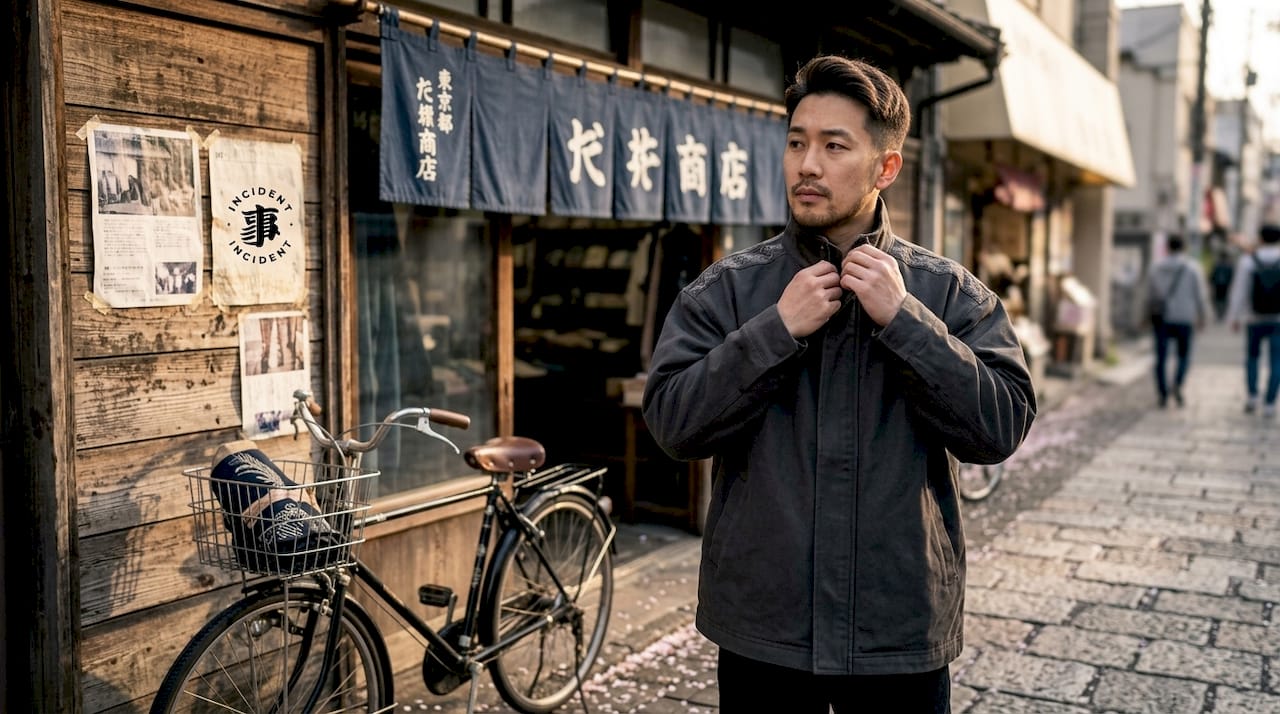
Bridging involves commensurability with elite categories. When streetwear brands use premium fabrics, collaborate with established designers, or show at fashion weeks, they signal quality and legitimacy. Cultural consonance goes deeper, incorporating shared symbols, historical references, and ironic commentary that resonate across fashion hierarchies.
Japanese streetwear excels at this balance. Brands blend centuries-old textile techniques with contemporary silhouettes, creating pieces that feel both timeless and current. The clean lines and attention to detail mirror Japanese minimalist design principles found in luxury fashion, while bold graphics and street-ready functionality maintain accessibility.
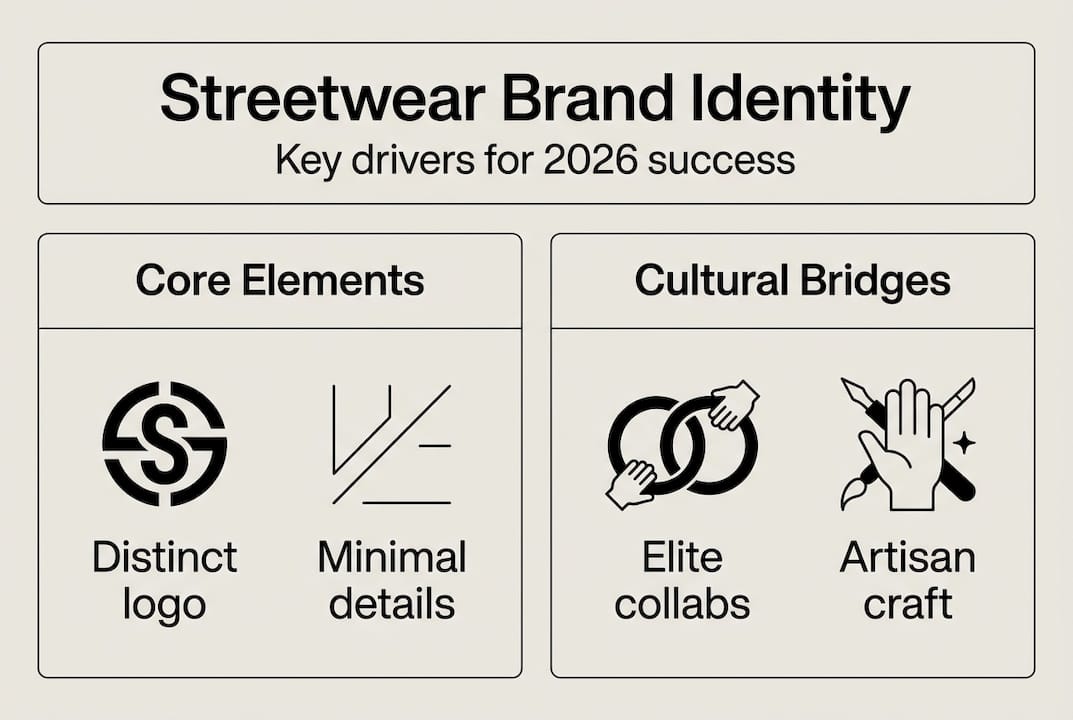
| Elite Fashion Element | Streetwear Adaptation | Cultural Effect |
|---|---|---|
| Couture tailoring | Oversized precision cuts | Elevated casualwear |
| Luxury materials | Technical fabrics | Performance meets prestige |
| Runway presentation | Drop culture releases | Exclusivity democratized |
| Heritage storytelling | Cultural appropriation awareness | Authentic narrative |
The comparison reveals how streetwear borrows prestige markers while subverting them. A hoodie might use cashmere, but it’s still a hoodie. This tension creates cultural resonance that appeals to diverse audiences. Understanding luxe streetwear helps you navigate this territory.
Strategic bridging techniques:
- Collaborate with artists or designers from different fashion tiers
- Use unexpected premium materials in everyday garments
- Reference art history or cultural movements in designs
- Show restraint in branding to mirror luxury minimalism
- Price strategically to signal quality without alienating core audience
Cultural consonance requires deep understanding of both street culture and fashion history. Superficial references feel hollow, while authentic integration creates powerful brand stories. Japanese streetwear’s success stems from genuine cultural roots, not borrowed aesthetics.
Crafting your streetwear brand identity: practical steps and expert insights
Building a compelling streetwear brand identity requires systematic approach combining subtle design, cultural authenticity, and ongoing consumer dialogue. Brand identity functions as an ongoing conversation or silent architect, using layered symbols, history, and irony to shape perception. Here’s how to apply these principles practically.
-
Define your core values and aesthetic foundation. What cultural elements genuinely resonate with your experience? Japanese minimalism, urban grit, sustainable production, or hybrid influences? Authenticity starts with honest self-assessment.
-
Develop your visual language using the 3% rule. Create signature elements that can evolve subtly across collections while maintaining recognition. Think logo variations, consistent color palettes, or recurring motifs.
-
Integrate sustainability from day one, not as afterthought. Choose materials and production methods aligned with your values. Document your supply chain and share this transparency with consumers.
-
Build cultural bridges strategically. Identify which elite fashion elements enhance your brand without compromising street credibility. Curate Japanese streetwear styles that inspire your aesthetic direction.
-
Create layered meaning in designs. Use symbols, historical references, or ironic commentary that reward closer inspection. Surface-level graphics attract attention; deeper layers build loyalty.
-
Establish ongoing brand conversations through content, community engagement, and storytelling. Your identity isn’t static; it evolves through dialogue with consumers.
Pro Tip: Study successful streetwear brands not to copy them, but to understand how they layer meaning. Notice how streetwear styling tips reveal brand identity through subtle details.
Balance innovation with consistency. Every collection should feel fresh yet recognizably yours. This tension keeps brands relevant without confusing loyal customers. Test new directions with limited releases before committing to full collections.
Engage your community in identity development. Solicit feedback, run polls, share behind-the-scenes processes. When consumers feel invested in your brand story, they become ambassadors. Social influence amplifies authentic brands exponentially.
Consider how accessories complete your identity system. A well-designed streetwear cap can reinforce brand recognition as effectively as signature garments. Every touchpoint matters.
Document everything in brand guidelines. As you grow, consistency becomes harder to maintain. Clear documentation ensures collaborators understand your identity principles and can execute them correctly.
Discover authentic Japanese streetwear at Incident
Now that you understand the principles behind powerful streetwear brand identity, experience them firsthand through INCIDENT Japanese streetwear. Our collections embody the subtle design sophistication, cultural authenticity, and sustainable values explored throughout this guide.

Each piece in our clothing collection demonstrates Japanese minimalist principles through clean lines, premium materials, and understated branding. Our PIMA cotton t-shirts exemplify quality-first philosophy, using superior fabrics that last seasons, not weeks. We bridge traditional Japanese craftsmanship with contemporary streetwear functionality, creating garments that work as hard as they look good. Explore our curated selection and discover how authentic brand identity translates into wearable art.
Frequently asked questions about brand identity in streetwear
How is brand identity different in streetwear versus other fashion?
Streetwear brand identity relies more heavily on cultural authenticity, community engagement, and subtle symbolism than traditional fashion. While luxury brands emphasize heritage and exclusivity through price, streetwear creates social currency through limited releases, cultural relevance, and values alignment. The 3% rule and layered meaning matter more than overt logos.
What role does Japanese culture play in streetwear identity?
Japanese culture contributes minimalist aesthetics, quality craftsmanship, and nuanced symbolism to streetwear identity. Brands draw from traditional textile techniques, Zen philosophy, and contemporary Tokyo street style to create refined yet edgy designs. This cultural foundation provides authenticity that resonates globally while maintaining distinct character. Understanding Harajuku streetwear revolution reveals these deep connections.
Why is sustainability crucial for streetwear brands today?
Gen Z consumers prioritize ethical production and environmental responsibility when choosing brands. Sustainability directly impacts social currency and legitimacy, with 73% willing to pay premiums for eco-friendly streetwear. It’s no longer a differentiator but a baseline expectation. Brands ignoring sustainability risk irrelevance as conscious consumption becomes standard.
How can new brands use subtlety to stand out?
New brands should identify one distinctive element and refine it obsessively rather than trying everything at once. Apply the 3% rule by making small, strategic changes to familiar silhouettes or adding unique details that reward close inspection. Subtlety creates mystery and encourages discovery, building loyal communities rather than fleeting hype.
What trends will shape streetwear identity in 2026 and beyond?
Cultural hybridity, radical transparency, and functional minimalism will dominate streetwear identity evolution. Brands will blend influences more freely while maintaining authentic roots. Supply chain transparency will become competitive advantage as consumers demand proof of ethical claims. Designs will prioritize versatility and longevity over seasonal novelty, reflecting sustainability values.
Recommended
- Master streetwear trends in 2026: Your complete guide – INCIDENT
- What is classic streetwear? A 2026 style guide – INCIDENT
- Understanding streetwear hype: Japanese style’s rise in 2026 – INCIDENT
- How to photograph streetwear for social media in 2026 – INCIDENT
- Streetwear cap styling guide 2026: express your urban style


Share:
What is fashion-forward? Elevate your style in 2026
Defining high-quality garments in Japanese streetwear