


Creating the perfect hanami outfit that respects Japanese culture while embracing modern streetwear can feel overwhelming. Many fashion enthusiasts struggle to strike the right balance between traditional motifs and contemporary style, often unsure how to incorporate sakura-inspired elements without crossing into cultural appropriation. This guide provides practical, culturally aware styling strategies to help you create authentic hanami streetwear looks that honor Japan’s iconic cherry blossom viewing tradition while maintaining your personal style.
Table of Contents
- How To Choose Streetwear Pieces For Hanami
- Incorporating Cultural Symbolism Respectfully
- Mastering Color Palettes For Hanami Streetwear
- Layering And Fabric Choices For Comfort And Style
- Accessorizing Hanami Streetwear Outfits
- Styling Approaches: Minimalist Vs Maximalist Influences
- Brand Recommendations And Authentic Product Choices
- Summary And Situational Picks For Hanami Streetwear Styling
- Explore Authentic Japanese Streetwear At INCIDENT
Key takeaways
| Point | Details |
|---|---|
| Seasonal color selection | Soft pinks, pastels, and muted neutrals inspired by sakura blossoms create culturally authentic hanami looks. |
| Fabric prioritization | Breathable materials like organic cotton and linen ensure comfort during unpredictable spring weather. |
| Cultural respect | Subtle, minimalist use of traditional motifs maintains authenticity without appropriation. |
| Layering technique | Strategic layering balances functional warmth with visual depth and clean aesthetic lines. |
| Accessory integration | Hybrid footwear and minimalist accessories complete cohesive, culturally respectful streetwear outfits. |
How to choose streetwear pieces for hanami
Selecting the right garments forms the foundation of successful hanami streetwear styling. Your choices should reflect both the seasonal context of spring cherry blossom viewing and the cultural aesthetics of Japanese fashion.
Layering lightweight breathable fabrics like linen is essential for comfort during spring hanami events. Organic cotton and linen offer temperature regulation as you move between shaded park areas and sunny spots under blooming sakura trees. These natural fibers also align with the sustainable practices increasingly valued in contemporary Japanese streetwear culture.
Minimalist design principles should guide your garment selection. Opt for pieces with clean lines and subtle details rather than heavily graphic prints that can overwhelm your outfit. The Harajuku streetwear fashion revolution demonstrates how less is often more when creating culturally resonant looks.
Color palettes inspired by hanami season work best for authentic styling. Soft pinks, pale peaches, and muted neutrals like beige and cream mirror the delicate sakura blossoms that define this cultural tradition. These hues create visual harmony with your surroundings while maintaining modern streetwear edge.
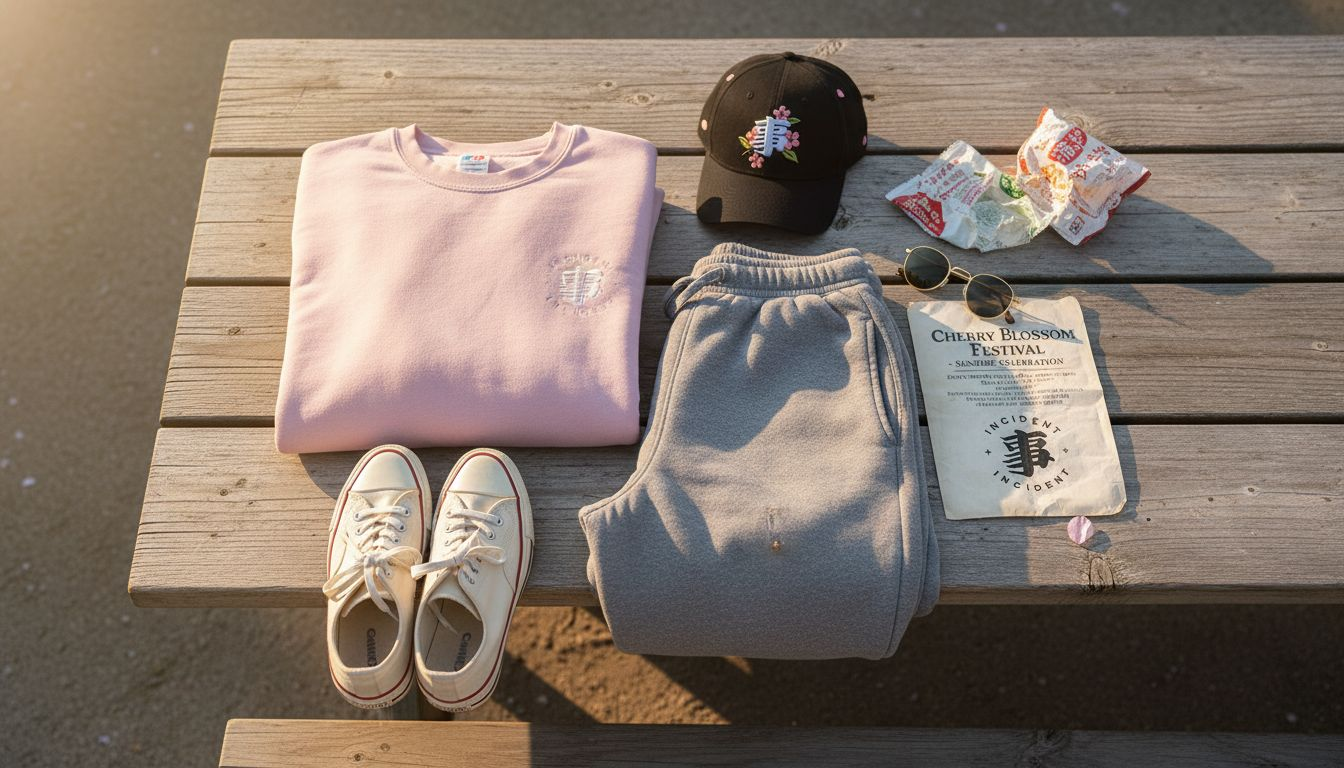
Balance traditional symbolism with contemporary trends carefully. A single piece featuring subtle sakura embroidery or wave patterns can anchor your outfit without requiring multiple culturally themed items. This restraint prevents your look from appearing costume-like while still honoring Japanese aesthetic traditions.
Pro Tip: Choose oversized silhouettes in neutral tones as your base layer. This approach creates a versatile canvas for adding colorful or patterned accent pieces inspired by hanami themes.
When shopping for hanami streetwear pieces:
- Prioritize natural fiber content over synthetic materials
- Select garments with adjustable features like drawstrings for layering flexibility
- Look for pieces that transition easily from day to evening hanami events
- Consider garment weight to ensure comfort in variable spring temperatures
Incorporating cultural symbolism respectfully
Authentic integration of Japanese motifs requires understanding their cultural significance. Thoughtful symbol use demonstrates respect while enhancing your hanami streetwear aesthetic.
Sakura blossoms represent renewal, beauty, and the fleeting nature of life in Japanese culture. When you choose pieces featuring cherry blossom imagery, you’re engaging with centuries of symbolic meaning. This depth makes subtle application far more impactful than graphic overload.
Traditional wave patterns, known as seigaiha, symbolize good luck and resilience. These geometric designs work beautifully in minimalist streetwear applications, adding visual interest without overwhelming clean silhouettes. Understanding these meanings helps you select motifs that align with both your style goals and cultural context.
Avoid excessive motif layering that can read as superficial or appropriative. A single well-placed traditional element creates more authentic impact than multiple competing symbols. This approach mirrors the Japanese aesthetic principle of ma, or meaningful negative space, which values restraint and intentionality.
When incorporating cultural symbols:
- Research the meaning behind motifs before wearing them
- Choose one focal traditional element per outfit
- Prefer embroidered or woven patterns over large graphic prints
- Consider how motif placement affects overall visual balance
Brands like INCIDENT exemplify respectful cultural integration by working with Japanese design principles rather than simply borrowing surface aesthetics. This distinction matters when building an authentic hanami streetwear wardrobe.
Mastering color palettes for hanami streetwear
Color selection dramatically influences how well your streetwear outfit harmonizes with hanami settings and cultural expectations. Strategic palette choices create cohesive looks that feel both modern and culturally aware.
Sakura-inspired soft pink and pastel color palettes dominate Japanese streetwear spring collections. These hues directly reference the delicate cherry blossoms central to hanami tradition, creating immediate visual connection to the seasonal celebration.
Muted neutrals provide essential balance to pastel accents. Shades like stone gray, sand, and warm cream prevent overly sweet color combinations while adding sophisticated depth. This neutral foundation allows your pastel pieces to stand out without overwhelming your overall aesthetic.
Seasonal appropriateness extends beyond just pink tones. Early spring hanami calls for cooler pastels like lavender and mint, while late season viewing pairs beautifully with warmer peach and coral shades. Matching your palette to bloom timing shows cultural awareness and attention to detail.
Color harmony impacts perceived authenticity significantly. Japanese aesthetic traditions emphasize natural color relationships found in seasonal landscapes. When your outfit palette mirrors the soft pinks of sakura against gray bark and green foliage, you create visual poetry that resonates with hanami’s cultural essence.
Effective hanami color strategies:
- Use the 60-30-10 rule: 60% neutral base, 30% pastel accent, 10% darker contrast
- Incorporate natural dye inspired tones for organic color relationships
- Consider how colors photograph against cherry blossom backgrounds
- Test color combinations in natural spring light before committing
The Sakura sneakers demonstrate how subtle pink accents can elevate neutral streetwear without dominating your look. This balanced approach works across various hanami styling contexts.
Layering and fabric choices for comfort and style
Mastering layering techniques ensures you stay comfortable while maintaining visual interest throughout hanami events. Spring weather variability demands strategic fabric combinations and thoughtful construction.
Layering lightweight breathable fabrics creates versatility for temperature changes. Start with a base layer in organic cotton or merino wool, add a mid-layer like a linen shirt, and finish with a lightweight outer piece such as a coach jacket or kimono-inspired cardigan.
Visual texture emerges from combining different fabric weights and weaves. Pairing a structured cotton tee with a flowing linen overshirt creates dimensional interest while maintaining the clean lines central to Japanese streetwear aesthetics. This approach adds depth without relying on busy patterns or excessive accessories.
Traditional textile fusion works when done intentionally. A modern haori jacket over contemporary streetwear pieces bridges cultural eras beautifully. The key is ensuring each layer serves both functional and aesthetic purposes rather than adding complexity for its own sake.
Fabric choice directly impacts cultural authenticity perception. Natural fibers like cotton, linen, and hemp align with Japanese craft traditions and sustainable practices. These materials also photograph better in natural hanami settings compared to synthetic fabrics that can appear cheap or costume-like.
Pro Tip: Pack a lightweight packable layer in your bag. Spring weather shifts quickly, and having an extra piece lets you adapt without compromising your carefully planned aesthetic.
Layering steps for optimal hanami comfort:
- Start with a fitted base layer in moisture-wicking natural fiber
- Add a relaxed mid-layer that creates silhouette interest
- Include a protective outer layer for wind or light rain
- Ensure each piece works independently if temperature rises
- Test your full outfit by moving through different positions and activities
| Layer Type | Recommended Fabrics | Styling Function |
|---|---|---|
| Base | Organic cotton, merino wool | Moisture management, comfort |
| Mid | Linen, cotton poplin | Visual interest, breathability |
| Outer | Technical cotton, nylon blend | Weather protection, structure |
| Accent | Silk blend, premium synthetics | Textural contrast, cultural nod |
Accessorizing hanami streetwear outfits
Accessories and footwear complete your hanami look while offering opportunities for cultural expression and personal style. Strategic choices elevate basic streetwear into cohesive, culturally aware outfits.
Hybrid footwear combining traditional and modern elements works exceptionally well for hanami. Sneakers with geta-inspired platform soles or sandals featuring contemporary materials honor Japanese footwear traditions while maintaining streetwear credibility. These pieces handle varied park terrain better than purely fashion-forward options.
Minimalist accessories prevent visual clutter while adding meaningful details. A simple sakura-embroidered cap, subtle jewelry featuring traditional motifs, or a carefully chosen bag can reference hanami themes without overwhelming your outfit. Each accessory should serve a clear purpose rather than existing just to fill space.
Functionality matters during extended hanami viewing. Choose bags with adequate storage for water, snacks, and camera equipment while maintaining clean aesthetic lines. Crossbody styles or minimalist backpacks work better than statement pieces that compete with your outfit’s focal points.
Cultural and modern harmony in accessories:
- Select one statement accessory maximum per outfit
- Prioritize pieces that reference Japanese craft techniques
- Ensure metal finishes coordinate with your overall color palette
- Consider how accessories photograph in hanami settings
- Choose comfortable footwear suitable for walking on varied surfaces
The accessories collection offers minimalist pieces that complement rather than dominate hanami streetwear looks. This restrained approach aligns with Japanese aesthetic values while supporting contemporary style preferences.
Styling approaches: minimalist vs maximalist influences
Choosing between minimalist Japandi styling and maximalist graphic streetwear impacts your hanami outfit’s cultural resonance and versatility. Understanding each approach helps you make informed decisions aligned with your goals.
Minimalist styles prioritize clean lines, neutral palettes, and subtle cultural references. This approach scores highest on perceived authenticity and works across diverse hanami contexts from casual park picnics to more formal viewing events. The simplicity allows natural surroundings and cultural traditions to remain focal points.
Maximalist styles embrace bold graphics, layered patterns, and statement pieces. While less traditionally aligned with Japanese aesthetic restraint, this approach suits festive hanami celebrations where visual impact matters. Large group gatherings and nighttime illumination events provide appropriate contexts for maximalist expression.
Occasion alignment determines which approach serves you better. Daytime cherry blossom viewing in traditional parks calls for minimalist restraint, while urban hanami parties or contemporary art installations accommodate maximalist energy. Consider your specific event context before committing to a styling direction.
| Aspect | Minimalist Approach | Maximalist Approach |
|---|---|---|
| Cultural authenticity | High, aligns with traditional Japanese aesthetics | Moderate, contemporary interpretation |
| Versatility | Works across most hanami contexts | Best for festive, informal events |
| Photographic impact | Subtle, harmonizes with surroundings | Bold, stands out in group settings |
| Styling complexity | Lower, fewer pieces to coordinate | Higher, requires careful balance |
| Budget requirement | Moderate, quality over quantity | Variable, depends on statement piece investment |
Your personal style preferences should guide final decisions. Some fashion enthusiasts feel most authentic in pared-back looks, while others express creativity through bold combinations. Both approaches can respect hanami traditions when executed thoughtfully.
Brand recommendations and authentic product choices
Selecting brands that genuinely understand Japanese streetwear culture ensures your hanami outfit maintains authenticity. Quality construction and culturally informed design separate genuine pieces from superficial interpretations.
INCIDENT Clothing exemplifies authentic Japanese streetwear through its Japandi-influenced design philosophy. Based in Switzerland but deeply rooted in Japanese aesthetics, the brand creates minimalist pieces using premium fabrics and clean construction. This attention to craft quality mirrors traditional Japanese garment-making values.
Premium fabric selection distinguishes authentic streetwear brands from fast fashion alternatives. Look for brands that specify fabric origins, weight specifications, and care requirements. These details indicate commitment to quality that honors both wearer comfort and cultural craft traditions.
International availability matters for global hanami celebrations. Many cities worldwide host cherry blossom festivals, and accessible brands let you build authentic looks regardless of location. Online shopping from culturally informed brands democratizes access to genuine Japanese streetwear aesthetics.
Brand choice considerations:
- Prioritize companies with transparent design philosophies
- Research brand origins and cultural connections to Japanese fashion
- Read customer reviews about fabric quality and construction durability
- Consider brands offering size inclusivity and global shipping
- Look for collections specifically designed with seasonal Japanese traditions in mind
The INCIDENT clothing collection offers curated pieces perfect for building versatile hanami wardrobes. From base layer tees to statement outerwear, each item works within broader styling systems rather than existing as isolated trendy pieces.
Summary and situational picks for hanami streetwear styling
Successful hanami streetwear balances cultural respect, seasonal appropriateness, and personal style expression. Synthesizing the strategies covered helps you make confident outfit decisions for various cherry blossom viewing scenarios.
Minimalist Japandi streetwear works best for traditional hanami contexts. Park picnics, temple ground viewings, and daytime blossom photography call for understated elegance that lets natural beauty remain central. Soft neutrals with single pastel accents create harmonious looks that photograph beautifully.
Maximalist graphic styles suit contemporary urban hanami celebrations. Street festivals, nighttime illuminations, and large group gatherings accommodate bolder expression. When choosing this direction, maintain cultural respect by understanding any traditional symbols you incorporate.
Breathable layering fabrics provide essential adaptability. Spring weather shifts rapidly between warm sunshine and cool breezes, particularly during early morning or evening viewing times. Building outfits with removable layers ensures comfort throughout extended hanami events.
Traditional and modern element balance requires ongoing attention. Each outfit decision should serve both aesthetic and cultural purposes. Ask yourself whether each piece adds genuine value or simply fills space.
Outfit recommendations by situation:
- Casual day picnic: Organic cotton tee, linen overshirt, neutral wide-leg pants, minimalist sneakers
- Evening illumination event: Oversized hoodie in soft pink, black joggers, statement accessories, comfortable boots
- Photography focused outing: Neutral layered look with functional bag, flexible footwear, minimal accessories
- Group celebration: Balanced graphic piece as focal point, supportive neutral basics, weather-appropriate layers
- Traditional garden viewing: Haori-inspired jacket, clean tee, tailored pants, hybrid traditional-modern footwear
Explore authentic Japanese streetwear at INCIDENT
Building an authentic hanami wardrobe becomes easier when you shop from brands that genuinely understand Japanese streetwear culture and seasonal styling needs. INCIDENT offers thoughtfully designed pieces that blend cultural respect with contemporary aesthetics.
Our clothing collection features premium organic fabrics perfect for spring layering. Each piece works as part of broader outfit systems rather than demanding specific pairings. This versatility supports creative hanami styling across different event contexts and personal preferences.

From minimalist hoodies to carefully detailed accessories, every INCIDENT piece reflects our Japandi design philosophy. We prioritize clean lines, subtle cultural references, and construction quality that honors traditional Japanese craft values. Explore our collections to discover pieces that elevate your hanami streetwear while respecting the cultural traditions that inspire them.
FAQ
What fabrics are best for hanami streetwear in spring?
Organic cotton and linen provide ideal breathability and comfort for variable spring temperatures during hanami events. These natural fibers regulate temperature effectively as you move between sunny and shaded areas while aligning with sustainable practices valued in Japanese streetwear culture. Their lightweight nature supports layering strategies without adding bulk.
How can I include traditional Japanese motifs without cultural appropriation?
Use motifs like sakura blossoms or wave patterns subtly rather than covering garments with large graphics. Research the cultural meanings behind symbols before incorporating them into your outfit. Limit yourself to one traditional motif element per look and choose pieces where patterns are embroidered or woven rather than printed for added authenticity.
Should I choose minimalist or maximalist styles for hanami streetwear?
Minimalist Japandi styles work best for traditional park viewings and daytime hanami events where cultural authenticity matters most. Maximalist graphic approaches suit contemporary urban celebrations, nighttime illuminations, or large group gatherings where bold visual statements fit the festive atmosphere. Match your styling direction to your specific event context and personal comfort level.
Where can I find authentic Japanese minimalist streetwear brands?
INCIDENT offers globally available Japandi minimalist streetwear rooted in authentic Japanese design principles. The brand combines premium fabrics, clean construction, and cultural awareness perfect for hanami styling. Their Switzerland-based operation maintains Japanese aesthetic values while providing international shipping and size inclusivity for diverse customers worldwide.



Share:
Curate unique Japanese streetwear styles in 2026
Top 7 kjhsurf.com.au Alternatives 2026