

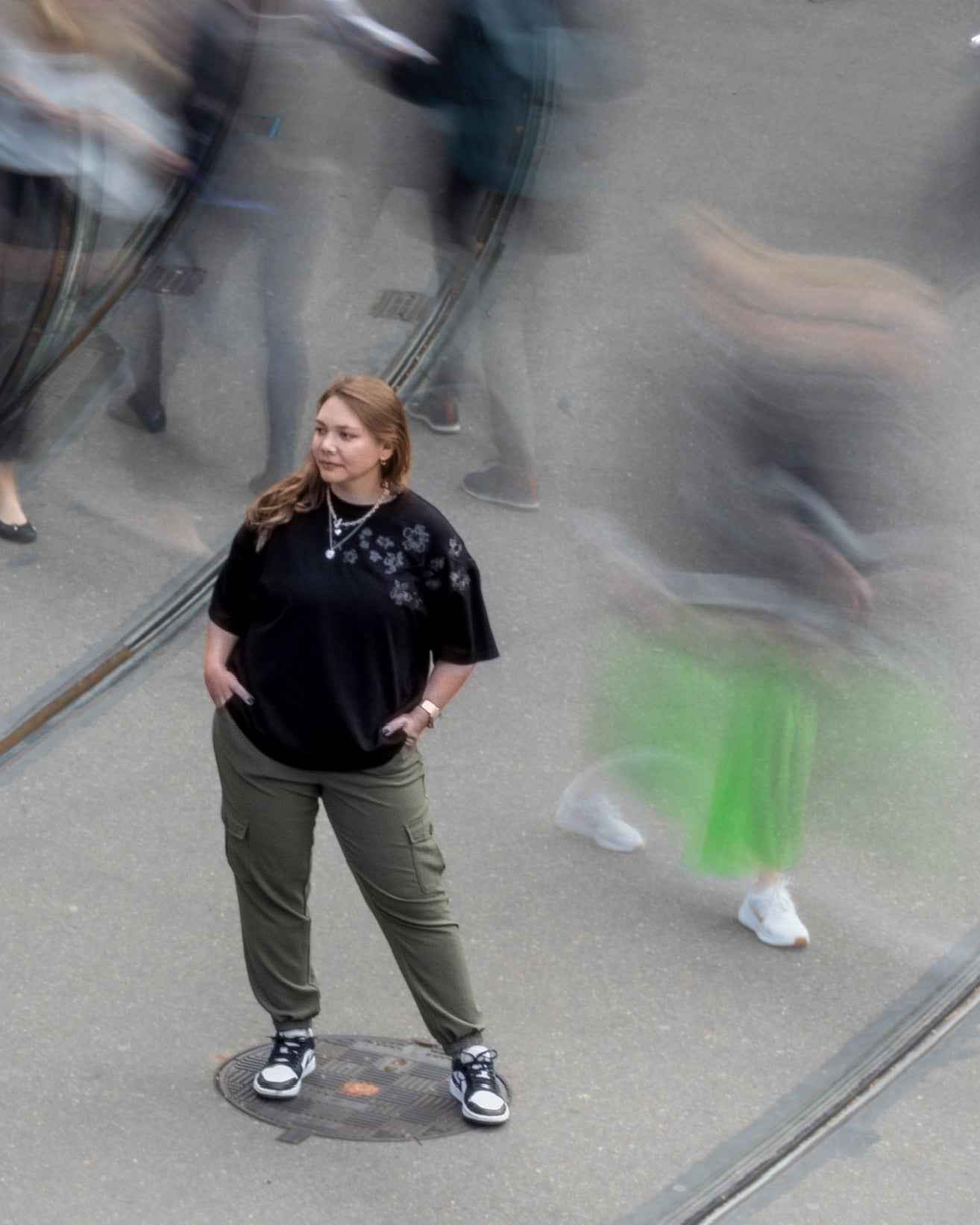
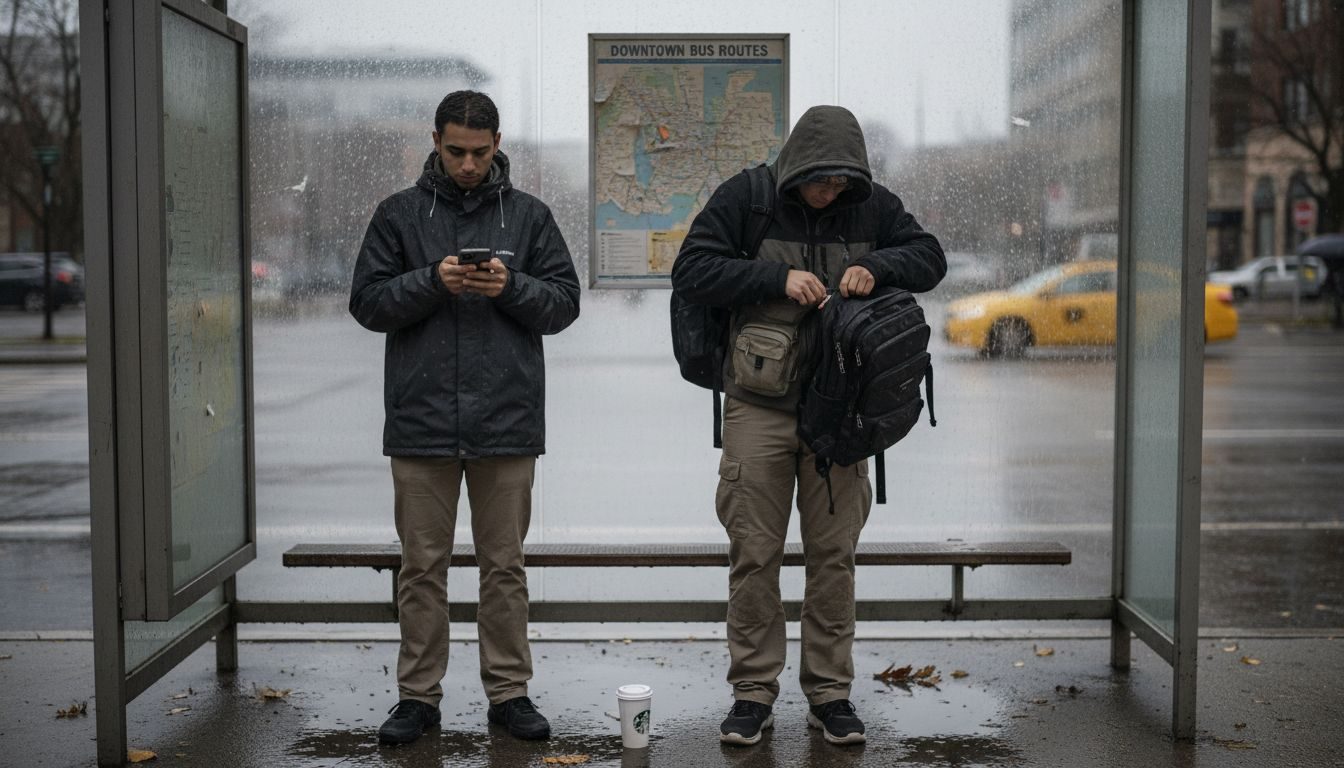
Functional streetwear challenges the myth that practicality sacrifices style. This category merges technical performance with minimalist aesthetics, proving that durability and fashion coexist seamlessly. You'll discover how Japanese design principles elevate both function and form, helping you build a versatile wardrobe that adapts to your urban lifestyle without compromising your personal aesthetic.
Table of Contents
- Introduction To Functional Streetwear
- Core Elements And Characteristics Of Functional Streetwear
- The Influence Of Japanese Aesthetics And Minimalist Design
- Common Misconceptions About Functional Streetwear
- Material And Design Innovations Enhancing Functionality
- Practical Guide To Choosing And Wearing Functional Streetwear
- Conclusion: Why Functional Streetwear Matters Today
- Discover Functional Streetwear At INCIDENT
- Frequently Asked Questions
Key takeaways
| Point | Details |
|---|---|
| Definition | Functional streetwear integrates practical features like durability and modularity with contemporary streetwear aesthetics. |
| Japanese influence | Minimalist design principles emphasize clean lines and multifunctionality, enhancing both style and utility. |
| Material innovation | Technical fabrics such as Gore-Tex and ripstop provide weather resistance and longevity without looking overly sporty. |
| Common myths | Functionality doesn't require sacrificing minimalist style or adopting a purely technical appearance. |
| Selection criteria | Evaluate fabric quality, fit adaptability, and design philosophy to find pieces that match your lifestyle needs. |
Introduction to functional streetwear
Functional streetwear fuses aesthetic appeal with practical features like durability, comfort, and multifunctionality. Unlike purely fashion-focused streetwear that prioritizes visual impact over usability, this category addresses the demands of active urban lifestyles. You need clothing that transitions from commutes to social gatherings while maintaining its structure and appearance.
This approach suits young adults navigating European cities where weather changes rapidly and daily routines require adaptable garments. Functional pieces withstand frequent wear, resist environmental stressors, and offer versatile styling options. The distinction lies in intentional design choices that enhance wearability without sacrificing the clean, contemporary aesthetic you expect from streetwear.
Key qualities that set functional streetwear apart include:
- Durable construction using reinforced stitching and abrasion-resistant panels
- Comfort features like breathable fabrics and ergonomic cuts that support movement
- Multifunctionality through modular elements such as removable hoods or convertible lengths
- Weather adaptability with water-resistant coatings and windproof membranes
- Practical storage solutions including strategically placed pockets and hidden compartments
Examples range from hoodies with moisture-wicking liners to pants featuring adjustable waistbands and reinforced knees. These garments maintain streetwear's signature silhouettes while integrating performance elements borrowed from outdoor and athletic wear. The result is clothing that performs as well as it looks, supporting your lifestyle without demanding constant replacement or specialized care.
Core elements and characteristics of functional streetwear
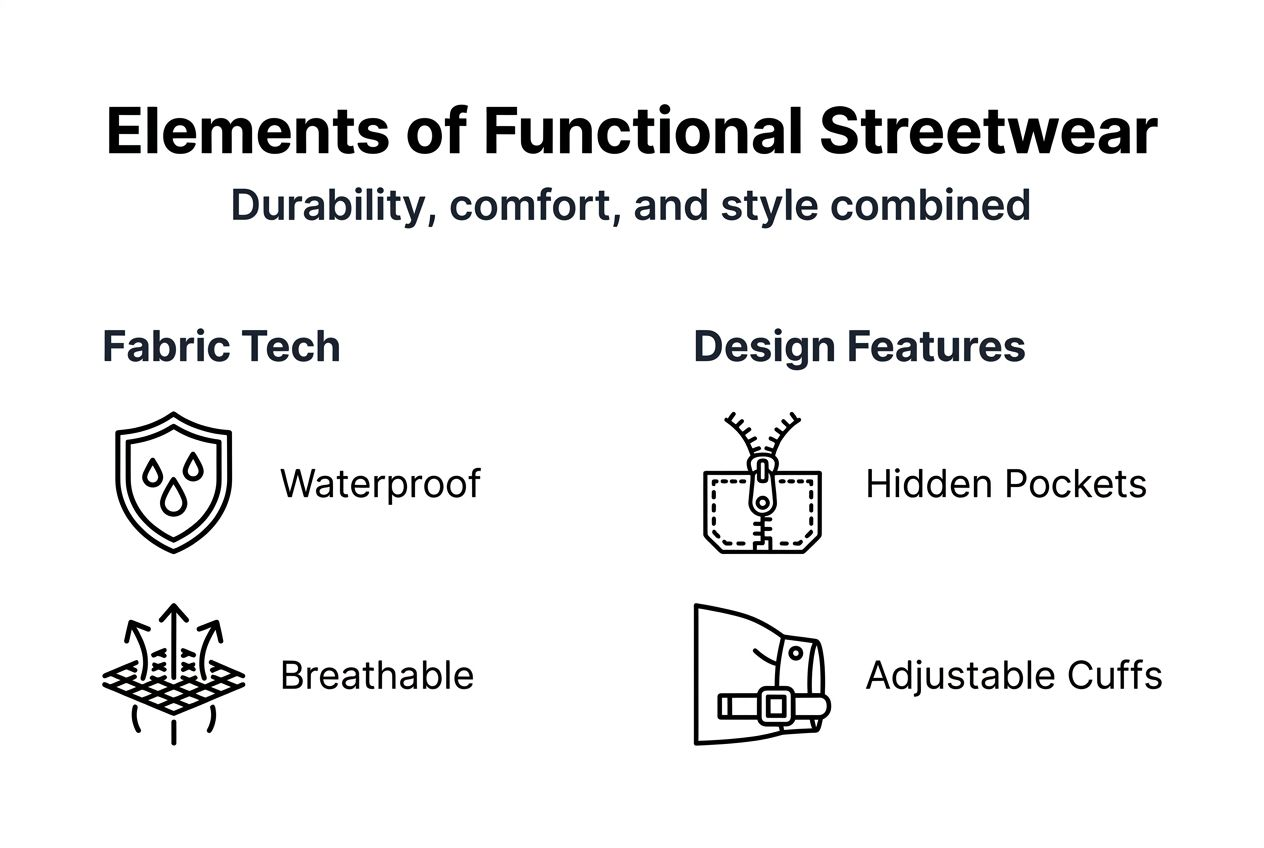
Three foundational pillars define functional streetwear: durability, comfort, and multifunctionality. Durability ensures garments withstand repeated use and environmental challenges. Comfort addresses fit, breathability, and ease of movement throughout long days. Multifunctionality means each piece serves multiple purposes, adapting to changing conditions or contexts.
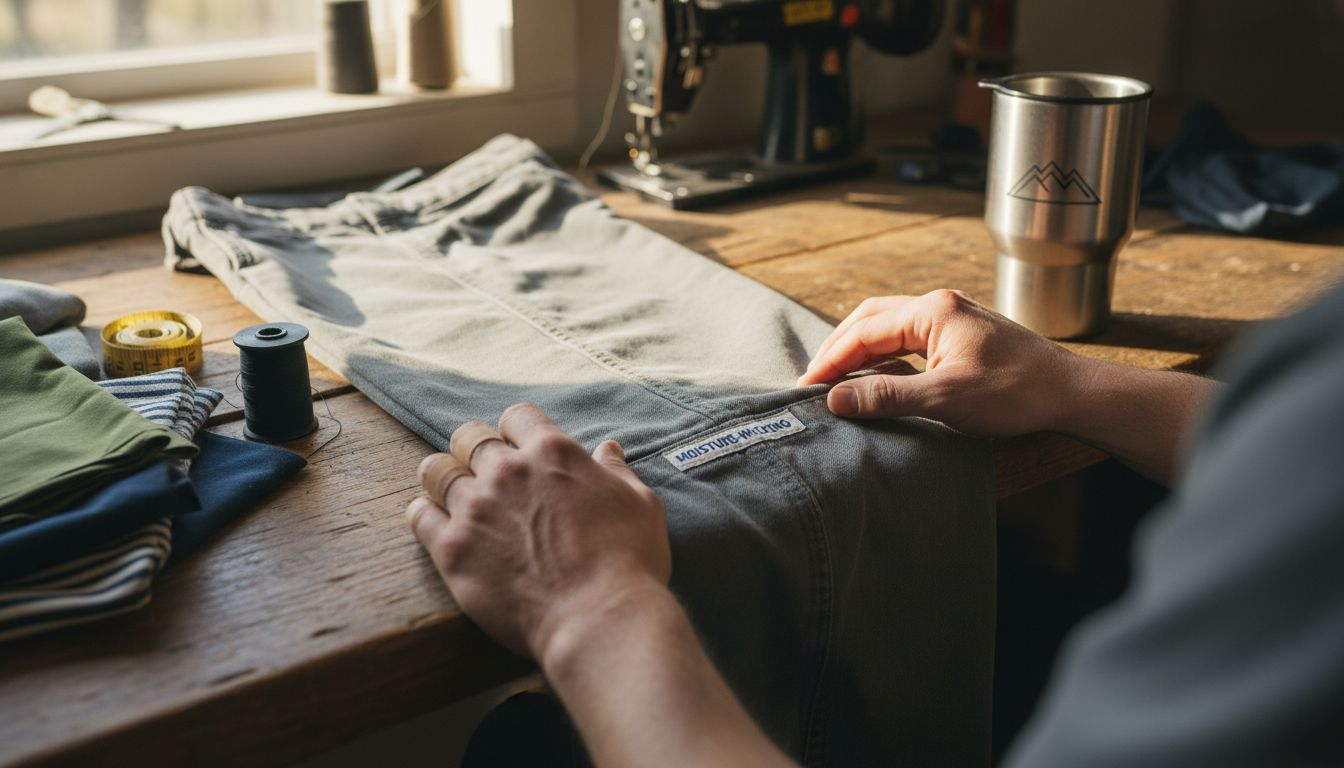
Technical fabrics like Gore-Tex and ripstop deliver these qualities without compromising aesthetics. Gore-Tex membranes block wind and rain while allowing sweat vapor to escape, keeping you dry from both external moisture and internal perspiration. Ripstop weaves use reinforced threads to prevent tears from spreading, extending garment lifespan significantly. Breathable membranes regulate temperature by releasing heat during activity and retaining warmth when stationary.
Modular design elements add versatility:
- Adjustable cuffs that tighten against wind or loosen for ventilation
- Multiple pocket configurations separating tech devices from personal items
- Removable liners that transform jackets between seasons
- Convertible hemlines creating different silhouettes for varied occasions
- Hidden compartments securing valuables during travel or crowded spaces
Pro Tip: Check garment specifications for denier ratings in fabric descriptions. Higher denier numbers indicate thicker, more durable materials, while lower deniers offer lightweight breathability. Balance these factors based on your primary use cases.
| Fabric Technology | Primary Benefit | Ideal Conditions | Care Requirements |
|---|---|---|---|
| Gore-Tex | Waterproof breathability | Rainy climates, active wear | Machine wash cold, hang dry |
| Ripstop nylon | Tear resistance | High-friction activities | Standard wash, avoid fabric softener |
| Merino wool | Temperature regulation | Variable weather | Hand wash or delicate cycle |
| Cordura | Abrasion resistance | Daily urban wear | Machine wash, tumble dry low |
Explore functional streetwear clothing options that integrate these technologies into contemporary designs. The intersection of material science and streetwear aesthetics creates garments that excel in real-world conditions while maintaining the minimalist visual language you prefer.
The influence of Japanese aesthetics and minimalist design
Japanese minimalist design emphasizes clean lines, subtle details, and multifunctionality, reducing visual embellishments by over 70% compared to traditional streetwear. This aesthetic philosophy prioritizes essential elements, eliminating decorative features that don't enhance function. The result is clothing that appears understated yet performs exceptionally.
Japandi design blends Japanese and Scandinavian minimalism, creating a hybrid approach that values simplicity, quality materials, and practical utility. This philosophy manifests in garments through intentional color palettes, typically neutral tones that integrate easily into diverse wardrobes. Fabric quality takes precedence over quantity, with brands investing in superior textiles rather than excessive style variations.
Key influences on functional streetwear include:
- Ma (negative space) in design, allowing fabric and silhouette to communicate without added graphics
- Wabi-sabi appreciation for natural wear patterns that develop character over time
- Shibui subtlety in details like hidden seams and internal reinforcements
- Kanso simplicity eliminating unnecessary components for streamlined construction
Japanese tailoring traditions also shape garment fit and longevity. Techniques like flat-felled seams create smooth finishes that resist fraying while distributing stress evenly across fabric. Pattern-making approaches consider body movement in urban contexts, offering ease through the shoulders and articulated sleeves for reaching overhead or carrying bags.
"Minimalist design in functional streetwear reduces visual noise by 70%, allowing utility features to integrate seamlessly without compromising aesthetic appeal."
This aesthetic supports multifunctionality by ensuring design elements serve clear purposes. A strategically placed seam might reinforce a high-stress area while creating visual interest. Topstitching in contrasting thread highlights quality construction while adding subtle detail. The Harajuku streetwear movement demonstrates how Japanese street culture balances bold self-expression with practical considerations.
Traditional Japanese tailoring methods inform contemporary functional pieces through attention to proportion and drape. Garments hang cleanly on the body without excess fabric bunching, maintaining their intended silhouette throughout wear. This precision extends garment lifespan by preventing stress concentrations that lead to premature wear.
Common misconceptions about functional streetwear
Many assume functional automatically means sporty or overtly technical in appearance. This misconception stems from athletic wear's dominance in performance clothing markets. In reality, functionality encompasses minimalist, refined styles that perform quietly without advertising their capabilities through loud branding or high-visibility color schemes.
Debunking popular myths:
- Myth: Functional pieces must feature visible tech details like reflective strips or obvious ventilation panels
- Reality: Performance features integrate discreetly, maintaining clean aesthetics while delivering utility
- Myth: Minimalist design sacrifices comfort for visual simplicity
- Reality: Thoughtful minimalism enhances comfort by eliminating irritating embellishments and optimizing fit
- Myth: You must choose between looking good and practical performance
- Reality: Contemporary functional streetwear proves these qualities reinforce rather than conflict with each other
Enhanced function actually improves fashion choices by expanding versatility. A water-resistant jacket in a neutral tone pairs with more outfits than a purely decorative piece limited to dry conditions. Durable construction means your favorite items remain wearable longer, maintaining consistent style rather than forcing frequent replacements that disrupt your aesthetic.
The perception that functional equals utilitarian overlooks how performance features enable confident styling. You wear garments knowing they'll maintain their appearance through weather changes or unexpected activities. This reliability removes anxiety about clothing limitations, allowing authentic self-expression without practical compromises.
Pro Tip: When shopping functional streetwear, balance fabric technology with fit evaluation. A garment with excellent technical specs performs poorly if the cut doesn't suit your body type or preferred silhouette. Prioritize pieces that excel in both dimensions for genuine versatility.
Minimalist functional design actually offers more styling flexibility than heavily embellished alternatives. Neutral bases layer effectively, creating outfit variations from fewer pieces. This approach aligns with sustainable consumption by reducing wardrobe volume while increasing per-garment utility.
Material and design innovations enhancing functionality
Recent fabric advancements deliver unprecedented performance in streetwear contexts. Moisture-wicking technologies pull perspiration away from skin, maintaining comfort during temperature fluctuations or physical activity. These fabrics dry rapidly, preventing the clammy sensation that occurs with traditional cotton in humid conditions. Abrasion-resistant treatments extend garment lifespan in high-friction areas like shoulders under backpack straps or hips where bags rest.
Modular garment designs revolutionize adaptability:
- Removable hoods that transform jackets between casual and formal contexts
- Adjustable hem systems creating cropped or full-length silhouettes from single pieces
- Convertible sleeves that zip off for temperature regulation
- Interchangeable panels allowing color customization without buying multiple garments
- Magnetic closures providing secure fastenings that operate one-handed
| Material Feature | Performance Benefit | Style Impact | Brand Example |
|---|---|---|---|
| 4-way stretch | Unrestricted movement | Maintains clean lines during activity | Athletic-inspired streetwear |
| DWR coating | Water repellency | Preserves fabric appearance | Outerwear collections |
| Merino blend | Odor resistance | Extends wear between washes | Base layers |
| Reinforced panels | Targeted durability | Creates visual interest through texture | Technical pants |
The Kanagawa Wave Hoodie demonstrates how heavyweight fabrics deliver structure and warmth without bulk. Premium cotton blends maintain shape through repeated wear, resisting the sagging that plagues lower-quality alternatives. These innovations support longevity, allowing garments to age gracefully rather than deteriorate rapidly.
KURIYAKU FLAME HOODIE designs showcase oversized silhouettes that accommodate layering while maintaining proportional aesthetics. Strategic panel placement creates visual interest without applied graphics, proving functional details can serve dual purposes. Flatlock seams eliminate chafing while adding subtle linear elements that guide the eye.
These material and construction advances enable functional streetwear to compete aesthetically with purely fashion-focused alternatives while offering superior practical performance. You no longer sacrifice style for utility or accept compromised function to maintain your preferred aesthetic.
Practical guide to choosing and wearing functional streetwear
Selecting functional streetwear requires systematic evaluation across multiple dimensions. Follow this five-step process to identify pieces that genuinely enhance your wardrobe:
- Identify specific features addressing your lifestyle needs, such as water resistance for rainy climates or extra pockets for daily tech carry
- Evaluate material composition and construction quality by examining seam finishes, fabric hand feel, and weight appropriate to intended use
- Ensure aesthetic alignment with your existing wardrobe through neutral color selection and silhouette compatibility with preferred styles
- Check modularity options like adjustable elements or removable components that extend versatility across seasons and occasions
- Assess brand reputation for craftsmanship and customer service, prioritizing companies with transparent manufacturing practices and quality guarantees
Matching Japanese minimalist style with function means prioritizing pieces that communicate through cut and fabric rather than graphics or embellishments. Look for garments where design elements serve clear purposes. A reinforced shoulder yoke distributes weight effectively while creating visual structure. Articulated sleeves improve mobility while adding dimension to flat silhouettes.
Real-world application scenarios:
- Commuting: Choose breathable layers that regulate temperature across indoor and outdoor environments, with secure pockets for transit cards and devices
- Social events: Select pieces offering polished appearance without fussiness, allowing focus on interactions rather than clothing concerns
- Weather changes: Invest in adaptable outer layers with removable components transforming coverage levels as conditions shift throughout the day
Pro Tip: Avoid over-prioritizing fabric technology at the expense of fit evaluation. The most advanced materials underperform if garments don't suit your body type or movement patterns. Try pieces in contexts matching intended use, moving naturally to assess comfort and restriction.
Building a functional wardrobe starts with versatile foundations in neutral tones: quality basics that layer effectively and pair with varied styles. Add specialized pieces addressing specific challenges you face regularly, like enhanced weather protection or extra storage capacity. This approach creates a cohesive collection where every item earns its place through genuine utility rather than impulse appeal.
Explore functional streetwear clothing options that balance these considerations, offering pieces designed for real urban lifestyles. Confident wardrobe choices emerge from understanding how design decisions impact daily wear, enabling selections that truly serve your needs.
Conclusion: why functional streetwear matters today
Functional streetwear offers versatile solutions perfectly suited to modern urban lifestyles where adaptability determines wardrobe success. This category reflects contemporary design philosophies that refuse false choices between aesthetics and utility. You gain clothing that supports diverse activities while maintaining cohesive personal style, eliminating the need for specialized outfits that clutter closets without adding value.
The movement represents broader shifts toward thoughtful consumption and sustainable fashion practices. Durable, multifunctional pieces reduce replacement frequency, lowering both financial costs and environmental impact. Quality construction and timeless minimalist aesthetics ensure garments remain relevant across trend cycles, building wardrobes with genuine longevity.
For young adults navigating dynamic environments, functional streetwear provides practical confidence. You dress knowing your clothing adapts to unexpected situations without compromising your aesthetic standards. This reliability removes decision fatigue and enables authentic self-expression supported by genuinely capable garments.
The intersection of Japanese minimalism and functional design creates an approach that honors both form and purpose. Clean lines and subtle details communicate sophistication while technical features deliver real-world performance. This balance defines contemporary streetwear's evolution from purely visual statements to genuinely useful wardrobe components.
Discover functional streetwear at INCIDENT
If you're ready to experience how Japanese minimalism and functional design create versatile everyday style, INCIDENT offers curated collections that embody these principles. Our garments blend Swiss precision with Japanese aesthetic traditions, creating pieces that perform as impressively as they look. Each design prioritizes quality materials and thoughtful construction, ensuring your wardrobe delivers genuine utility.
Explore our PIMA cotton streetwear collection featuring breathable, durable fabrics that maintain structure through repeated wear. These pieces demonstrate how premium materials enhance both comfort and longevity, supporting your lifestyle without constant replacement. Discover why INCIDENT's Japanese streetwear approach resonates with individuals who refuse to compromise between style and substance, building wardrobes that truly serve their dynamic urban lives.
Frequently asked questions
What are the key features that define functional streetwear?
Durability through reinforced construction, comfort via breathable fabrics and ergonomic cuts, and multifunctionality with modular design elements define functional streetwear. Technical materials like ripstop and moisture-wicking textiles enhance performance. These features combine practical utility with minimalist aesthetics, creating versatile garments for urban lifestyles.
How do Japanese aesthetics influence functional streetwear?
Japanese design principles emphasize clean lines, subtle details, and integrated multifunctionality that enhance both style and usability. Minimalist approaches reduce unnecessary embellishments while focusing on quality materials and precise tailoring. This philosophy creates garments that perform quietly without sacrificing visual appeal, proving functionality and refined aesthetics coexist naturally.
Can functional streetwear be stylish without looking technical or sporty?
Absolutely. Functionality enhances style through minimalist, refined designs that integrate performance features discreetly. Contemporary pieces prove you don't need visible tech details or sporty appearances to deliver practical benefits. Quality fabrics and thoughtful construction maintain clean aesthetics while providing weather resistance, durability, and comfort that support confident styling.
What should I look for when buying functional streetwear?
Evaluate fabric quality for durability and comfort, ensuring materials suit your climate and activity levels. Assess fit and adaptability features like adjustable elements or modular components. Consider minimalist style compatibility with your existing wardrobe, and research brand reputation for craftsmanship. Functional streetwear collections should balance these factors, offering genuine versatility rather than compromising aesthetics for features you won't actually use.


Share:
PIMA Cotton and Lenzing Modal
Curate unique Japanese streetwear styles in 2026