

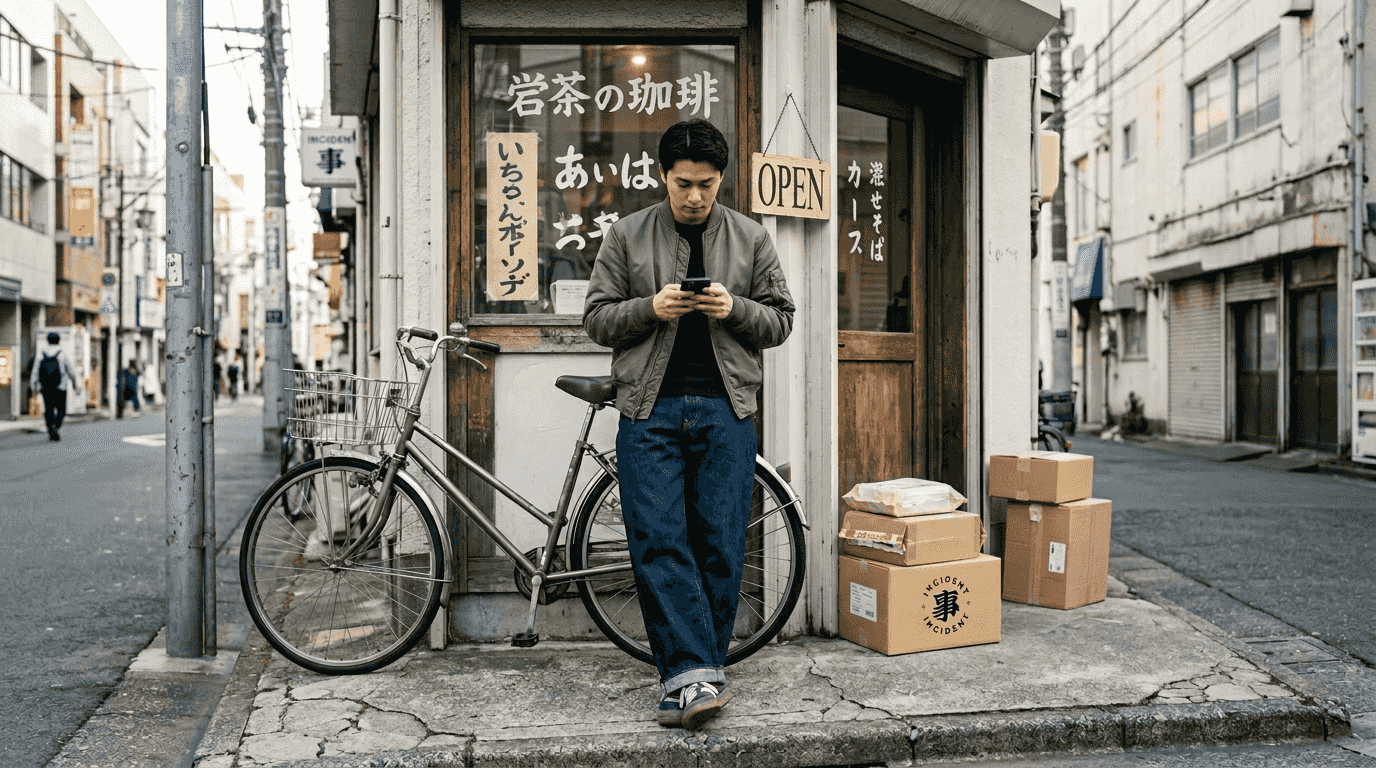
Luxe streetwear is often misunderstood as just another logo-obsessed trend. The truth is far more compelling. This movement, deeply rooted in Japanese aesthetics and streetwear culture, represents a sophisticated fusion of heritage, craftsmanship, and philosophy. Unlike fast fashion’s fleeting cycles, luxe streetwear prioritizes fabric quality, precision tailoring, and meaningful design narratives. This guide unpacks the origins, design principles, and cultural impact of Japanese-inspired luxe streetwear, showing you how to recognize authentic pieces and invest in timeless style that transcends seasonal hype.
Table of Contents
- The Origins Of Luxe Streetwear In Japanese Fashion
- Defining Luxe Streetwear: Beyond Logos And Trends
- Japanese Minimalist Aesthetics And Functionality In Luxe Streetwear
- Luxe Streetwear Today: Global Impact And Investing In Quality
- Explore Luxe Japanese Streetwear At INCIDENT
Key takeaways
| Point | Details |
|---|---|
| Luxe streetwear merges quality with culture | It blends high fashion craftsmanship with authentic street culture origins and storytelling. |
| Japanese brands pioneer refined designs | They emphasize minimalist aesthetics, functional layering, and meticulous construction. |
| Four pillars define luxe streetwear | Fabric, fit, feel, and philosophy separate timeless pieces from trendy fast fashion. |
| Heritage matters more than hype | Understanding craftsmanship and cultural roots helps you appreciate genuine luxe streetwear. |
| Investment yields lasting style | Quality pieces retain cultural relevance and aesthetic value beyond seasonal trends. |
The origins of luxe streetwear in Japanese fashion
Japanese luxe streetwear didn’t emerge overnight. Its roots trace back to post-World War II Japan, where designers began reinterpreting American workwear and military surplus with a distinctly Japanese sensibility. This cultural translation transformed utilitarian garments into refined, thoughtfully constructed pieces that honored both function and form. Tokyo neighborhoods like Harajuku became laboratories for streetwear innovation, where youth culture experimented with layering, proportion, and personal expression.
This evolution created a unique design language. Japanese designers approached streetwear not as disposable fashion but as a craft worthy of the same attention as traditional garment-making. They studied vintage American workwear patterns, then elevated them through superior fabric selection and precision tailoring. The result was clothing that looked effortlessly cool while demonstrating exceptional construction quality. This philosophy laid the foundation for what we now recognize as luxe streetwear.
Pioneering brands exemplified this approach:
- Sacai and Comme des Garçons merged high fashion techniques with streetwear silhouettes
- Neighborhood and WTAPS refined workwear aesthetics through premium materials
- Visvim elevated outdoor and military influences with artisanal craftsmanship
- Undercover brought avant-garde conceptual thinking to street culture
These brands shared a common thread. They rejected logo-centric branding in favor of subtle details, innovative pattern-making, and carefully curated fabric choices. Each piece told a story through construction rather than graphics. This approach created a system where streetwear functioned as both daily uniform and cultural statement, rooted in heritage yet constantly evolving.
Defining luxe streetwear: Beyond logos and trends
True luxe streetwear rests on four foundational pillars: fabric, fit, feel, and philosophy. Understanding these elements helps you distinguish authentic luxury from marketing hype. Fabric quality separates pieces that last decades from those that fade after a season. Luxe streetwear employs materials like heavyweight cotton, Japanese selvedge denim, technical nylons, and premium wool blends. These fabrics age gracefully, developing character rather than deteriorating.
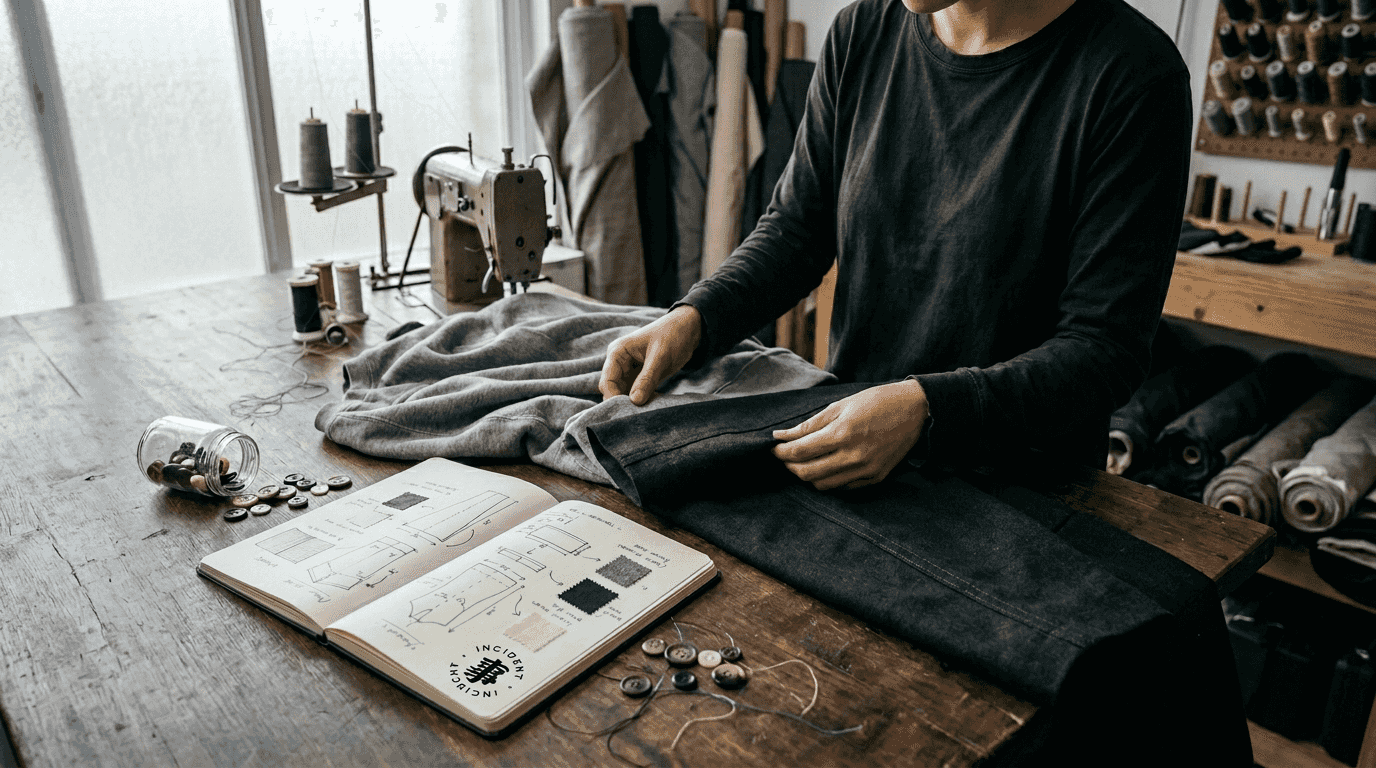
Fit represents the second pillar. Precision tailoring ensures garments drape correctly, whether oversized or slim. Japanese brands obsess over sleeve length, shoulder placement, and hem proportions. This attention creates silhouettes that look intentional rather than sloppy. Feel encompasses both tactile quality and wearing comfort. Luxe pieces feel substantial in hand, with smooth seams, reinforced stress points, and thoughtful finishing details. You notice the difference immediately when comparing to fast fashion alternatives.
Philosophy distinguishes luxury streetwear most dramatically. Each piece carries designer intent, cultural references, and storytelling. This might manifest through vintage military details, traditional dyeing techniques, or conceptual themes explored across collections. Philosophy transforms clothing from mere covering into meaningful expression. It’s why collectors treasure certain pieces beyond their monetary value.
Consider these differences when evaluating streetwear:
- Origin story: Does the brand have authentic roots in street culture or craft traditions?
- Construction quality: Examine stitching, fabric weight, and finishing details closely.
- Design intention: Look for thoughtful details rather than prominent branding.
- Material transparency: Luxury brands specify fabric origins and manufacturing processes.
- Longevity focus: Pieces designed to improve with age rather than follow seasonal trends.
Pro Tip: Check garment labels for fabric composition and country of manufacture. Japanese-made pieces typically indicate superior quality control, while specific fabric details like “14oz selvedge denim” or “Supima cotton” signal premium materials worth the investment.
This framework helps you navigate functional streetwear with confidence. Fast fashion mimics luxury aesthetics superficially but fails on execution. Hype brands may use quality materials but lack philosophical depth. Authentic luxe streetwear delivers on all four pillars simultaneously, creating pieces that transcend temporary trends.
Japanese minimalist aesthetics and functionality in luxe streetwear
Japanese design philosophy fundamentally shapes luxe streetwear through minimalist aesthetics that prioritize restraint over excess. Clean lines dominate, with designers removing unnecessary elements until only essential features remain. Color palettes favor neutrals like black, white, gray, navy, and earth tones, allowing versatility and timeless appeal. Subtle detailing replaces loud graphics, with design interest emerging through texture, proportion, and innovative construction techniques.
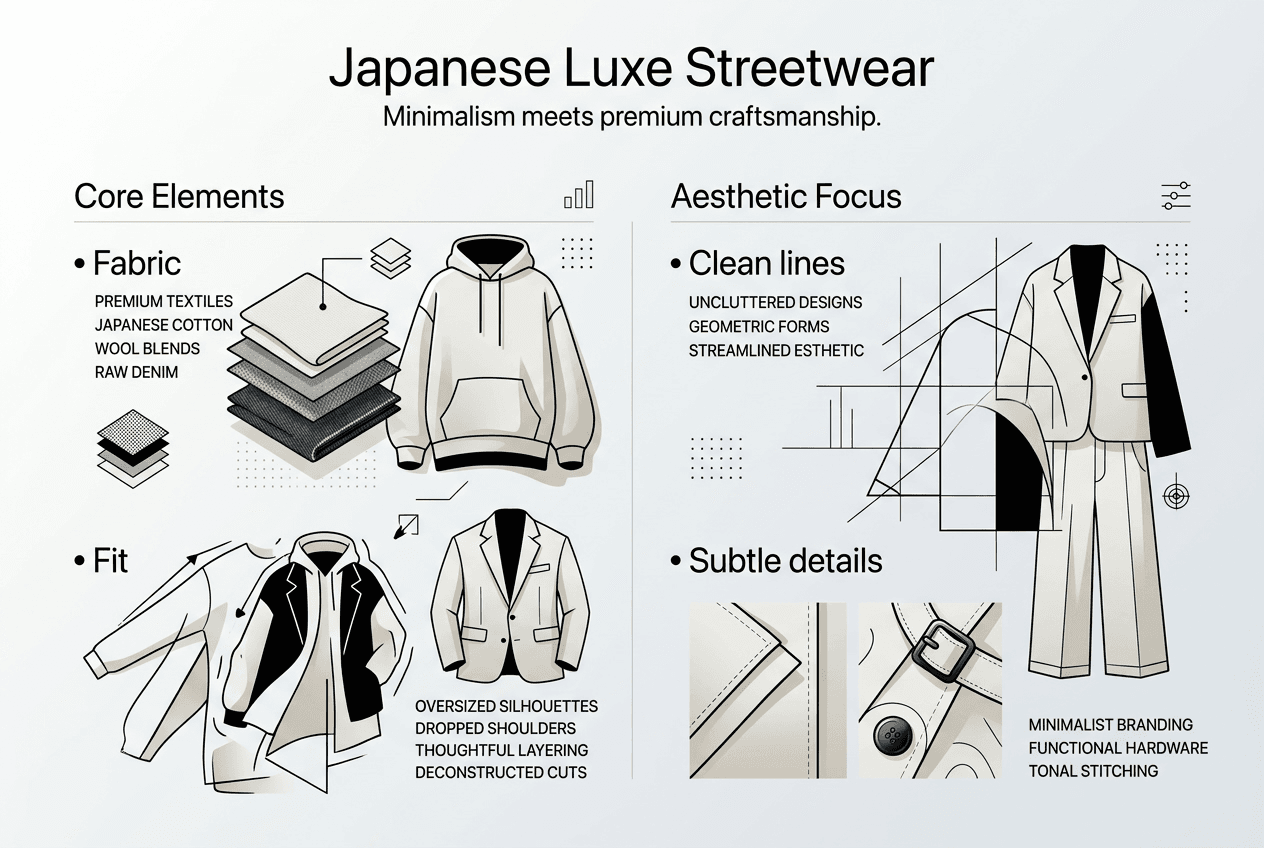
Functionality runs deeper than surface aesthetics. Japanese streetwear prioritizes utility derived from workwear and craft traditions. This manifests through strategic pocket placement, reinforced stress points, and fabrics chosen for durability and comfort. Layering becomes an art form, with pieces designed to work together across seasons. A well-designed jacket features sleeve lengths that accommodate layering without bunching, while maintaining clean lines when worn alone.
Craftsmanship controls every detail:
- Seam construction uses techniques like flat-felled seams for durability and clean finish
- Button placement and quality reflect attention to longevity and tactile satisfaction
- Fabric pre-washing prevents shrinkage and ensures consistent sizing
- Pattern-making accounts for body movement and comfort across activities
| Aspect | Japanese Luxe Streetwear | Typical Western Streetwear |
|---|---|---|
| Visual focus | Clean lines, subtle texture | Bold logos, graphic prints |
| Color approach | Neutral, versatile palettes | Bright, trend-driven colors |
| Construction | Precision tailoring, reinforced | Standard manufacturing |
| Fabric priority | Premium, durable materials | Cost-effective synthetics |
| Design philosophy | Timeless utility | Seasonal trends |
| Detail emphasis | Subtle, functional | Obvious branding |
This comparison reveals fundamental differences in approach. Western streetwear often emphasizes immediate visual impact through graphics and branding. Japanese luxe streetwear invites closer inspection, rewarding attention with discovered details and superior hand feel. The difference becomes obvious when you examine pieces like Japanese-inspired hoodies that balance weight, drape, and finishing.
Pro Tip: When building a luxe streetwear wardrobe, start with foundational pieces in neutral colors. Invest in a quality heavyweight hoodie, well-constructed pants, and versatile outerwear. These items form the base for layering with oversized pieces that add visual interest while maintaining the minimalist aesthetic. Quality basics outlast trends and provide maximum styling flexibility.
Respect for materials extends beyond fabric choice. Japanese designers consider how garments age, often selecting materials that develop patina or character over time. Raw denim fades uniquely to each wearer. Heavyweight cotton softens while maintaining structure. This approach encourages long-term ownership rather than disposable consumption, aligning with Japanese minimalist design principles that value quality and intentionality.
Luxe streetwear today: Global impact and investing in quality
Luxe streetwear’s cultural legitimacy reached new heights through milestone collaborations and market validation. The Supreme x Louis Vuitton 2017 partnership shattered boundaries between street culture and traditional luxury houses. This collaboration proved streetwear could command luxury pricing while maintaining authentic cultural credibility. Major fashion houses took notice, integrating streetwear elements into their collections and hiring streetwear designers as creative directors.
Market data reinforces this shift. Human Made’s historic streetwear IPO demonstrated the sector’s financial viability and cultural staying power:
| Metric | Performance |
|---|---|
| Share price increase | Nearly 30% on debut |
| Operating margin | 15.2% profitability |
| Sell-through rate | 87% within first season |
| Funds raised | $45 million USD |
This IPO milestone validated streetwear as a sustainable business model beyond hype cycles. Investors recognized that brands built on authentic heritage and quality craftsmanship could generate consistent returns. The success signaled a maturation of streetwear from subculture to established fashion category.
“Human Made’s IPO represents more than financial success. It confirms that streetwear rooted in craftsmanship and cultural authenticity can thrive in public markets, legitimizing the entire category for serious fashion investment.”
Consumers increasingly value substance over hype. Smart investing in luxe streetwear follows these principles:
- Research brand heritage and manufacturing practices before purchasing
- Prioritize versatile pieces in neutral colors that transcend seasonal trends
- Examine construction quality through seam work, fabric weight, and finishing
- Consider cost per wear over initial price for true value assessment
- Buy fewer, better pieces rather than chasing every release
This shift benefits discerning consumers. As the market matures, brands competing on quality and design innovation rise while hype-dependent labels fade. You can build a wardrobe of pieces that retain both aesthetic relevance and resale value. Finding authentic Japanese streetwear becomes easier as specialist retailers curate collections based on craftsmanship rather than hype.
The global impact extends beyond fashion. Luxe streetwear influences how we think about consumption, value, and personal style. It demonstrates that street culture can produce objects worthy of the same appreciation as traditional luxury goods. This democratization of luxury, combined with elevated standards of quality, creates a more sustainable and meaningful approach to fashion.
Explore luxe Japanese streetwear at INCIDENT
INCIDENT offers a carefully curated selection of premium Japanese-inspired streetwear that embodies the principles explored throughout this guide. Our clothing collection features minimalist designs crafted from exceptional fabrics, blending Japanese aesthetics with contemporary streetwear sensibilities. Each piece demonstrates the four pillars of luxe streetwear through thoughtful construction and timeless design.
Discover signature items like our PIMA cotton t-shirts that showcase how premium materials elevate basic wardrobe essentials. Based in Switzerland with a global perspective, INCIDENT serves fashion-forward individuals who appreciate the intersection of Japanese craftsmanship and modern urban style. Explore our collections to find authentic luxe streetwear pieces that transcend trends.
FAQ
What differentiates luxe streetwear from regular streetwear?
Luxe streetwear prioritizes craftsmanship, timeless design, and meaningful narratives over logo prominence and trend chasing. It focuses on the four pillars of fabric quality, precise fit, tactile feel, and philosophical depth. Unlike fast fashion streetwear, luxe pieces use premium materials, demonstrate superior construction, and maintain cultural relevance beyond seasonal hype cycles.
How does Japanese fashion influence luxe streetwear?
Japanese fashion brings clean lines, disciplined layering, and profound respect for materials to luxe streetwear design. It rejects fleeting trends in favor of timeless utility rooted in workwear and craft traditions. Japanese designers emphasize subtle details, precision tailoring, and fabrics that age gracefully, creating pieces that reward long-term ownership.
Is luxe streetwear worth investing in for long-term style?
Due to its foundation in fabric, fit, feel, and philosophy, luxe streetwear offers enduring style and exceptional durability. These pieces transcend hype cycles to retain both cultural and aesthetic relevance over years. Quality construction and timeless design mean your investment maintains value through wear and potential resale, making it more cost-effective than constantly replacing trend-driven fast fashion.
Where can I buy authentic Japanese luxe streetwear?
Specialist boutiques like INCIDENT offer curated selections of authentic Japanese-inspired luxe streetwear. Look for retailers that emphasize brand heritage, construction quality, and design philosophy rather than hype or limited releases. Authentic pieces embody minimalism, craftsmanship, and the four pillars that define true luxe streetwear.
How to style luxe streetwear for a minimalist look?
Stick to neutral and controlled color palettes like black, white, gray, and navy for maximum versatility. Focus on layering well-fitted pieces with attention to proportion and silhouette rather than graphic impact. Prioritize quality fabrics with interesting textures and subtle design elements that create visual interest without overwhelming the overall aesthetic. Let construction quality and fit speak louder than branding.
Recommended
- Harajuku Streetwear: The Japanese Fashion Revolution | Incident Store - INCIDENT
- Curate unique Japanese streetwear styles in 2026 – INCIDENT
- What is functional streetwear? A 2026 guide – INCIDENT
- Where to buy Japanse Streetwear in Switzerland? - INCIDENT
- Sunglasses: Your Ultimate Guide to Style and Fit – 4 VISION
- Fairfax District Hostile Work Scenes in Streetwear - Law Office of Brian Y. Shirazi, PC

Share:
What makes streetwear luxury: Japanese minimalist design
Master streetwear trends in 2026: Your complete guide