

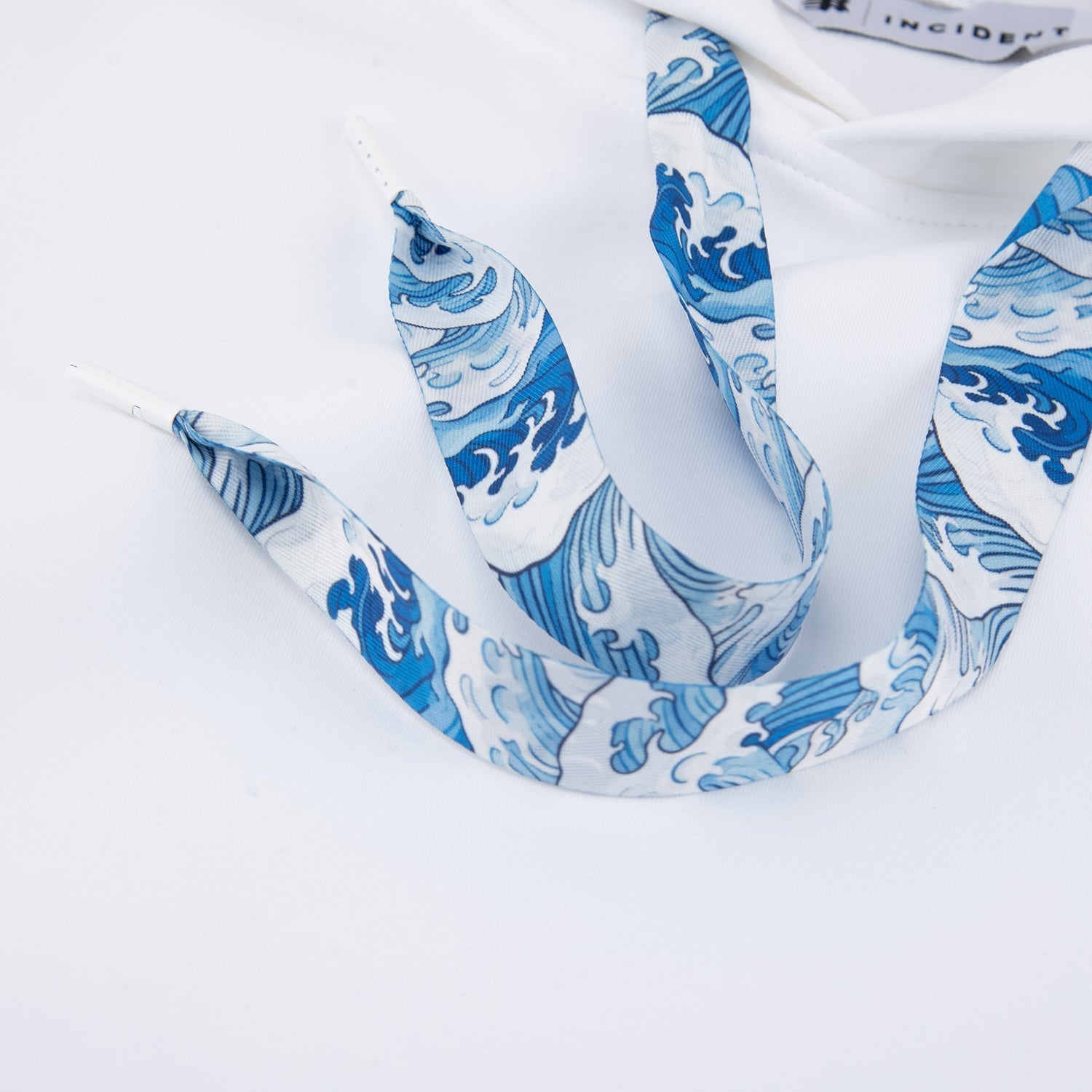
Most people think unique streetwear means grabbing the loudest graphic tee or hyped sneaker drop. That approach leaves you looking like everyone else. Real distinction comes from understanding Japanese craftsmanship principles like minimalism, quality fabrics, and subtle detailing. This guide walks you through building an authentic wardrobe that stands out through cultural depth, not logos.
Table of Contents
- Introduction To Unique Streetwear Curation
- Prerequisites: What You Need Before Starting
- Understanding Japanese Craftsmanship And Style
- Step-By-Step Curation Process
- Styling Techniques To Create Unique Looks
- Common Mistakes And Troubleshooting
- Expected Results And Outcomes
- Explore Authentic Japanese Streetwear At INCIDENT
Key takeaways
| Point | Details |
|---|---|
| Embrace Japanese aesthetics | Focus on minimalism, wabi-sabi principles, and craftsmanship over loud branding for authentic style. |
| Prepare with knowledge and budget | Understand Japanese culture, identify quality fabrics, and commit to gradual acquisition over 6-12 months. |
| Follow structured curation | Define style goals, research brands, select functional pieces, and practice layering techniques systematically. |
| Avoid common mistakes | Skip impulse buys, prevent over-layering, and maintain cultural respect to preserve outfit coherence. |
| Expect gradual development | Build a wardrobe of 8-12 quality pieces through patient experimentation and personal refinement. |
Introduction to unique streetwear curation
Unique streetwear in 2026 has shifted from logo-heavy hype pieces to garments showcasing quality craftsmanship and minimalistic lines. Japanese aesthetics drive this evolution, emphasizing subtle details that reveal cultural depth rather than screaming for attention.
Authentic Japanese streetwear in Switzerland and globally blends traditional design philosophy with contemporary urban wear. This fusion creates pieces that feel timeless yet modern, personal yet culturally grounded.
Key characteristics defining unique streetwear today:
- Quality over quantity: Premium fabrics and construction methods that last years
- Cultural authenticity: Design elements rooted in Japanese traditions like wabi-sabi and mono no aware
- Minimalist sophistication: Clean lines and subtle details replacing loud graphics
- Functional versatility: Pieces that layer well and adapt to multiple styling contexts
Understanding these principles transforms how you approach wardrobe building. Instead of chasing trends, you curate garments with staying power. Your style becomes a reflection of craftsmanship appreciation, not brand recognition.
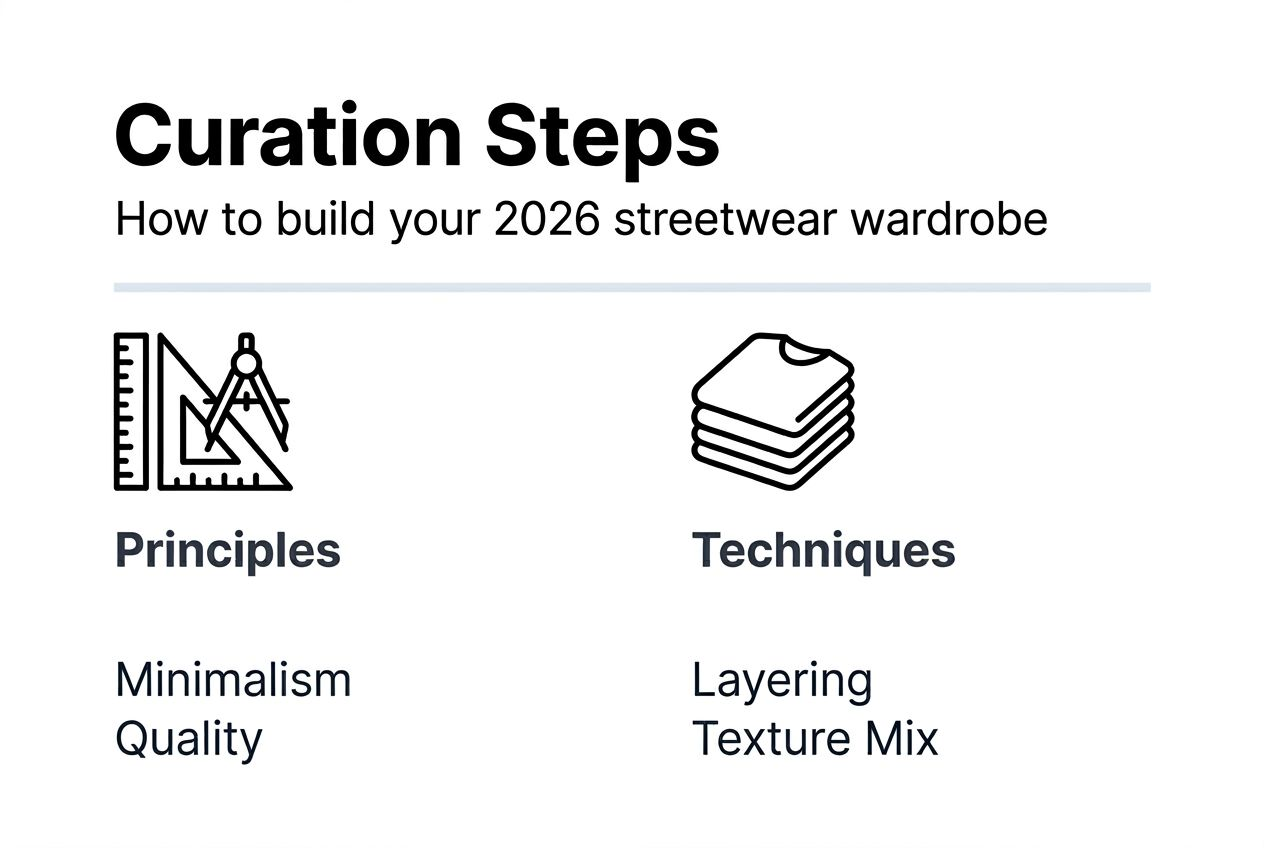
The Japanese streetwear buying guide reveals how focusing on material quality and construction details helps identify authentic pieces. This foundation separates fashion-forward individuals from those following temporary hype cycles.
Prerequisites: what you need before starting
Successful curation starts with foundational knowledge about Japanese design principles. You need familiarity with concepts like wabi-sabi, which finds beauty in imperfection and impermanence. Mono no aware teaches appreciation for fleeting moments and transient beauty, influencing how Japanese designers approach seasonal collections.
Essential prerequisites include:
- Basic understanding of Harajuku streetwear insights and historical context
- Recognition of quality fabric characteristics like weight, drape, and texture
- Awareness of current streetwear trends while maintaining independent taste
- Financial commitment to invest in fewer, higher-quality pieces over time
You also need realistic expectations about timeline and budget. Quality Japanese-inspired streetwear costs more upfront but delivers better value through durability and timeless style. Plan to spend $100-300 per core piece rather than $20-50 on fast fashion alternatives.
Access to authentic brands matters significantly. Research legitimate retailers and avoid marketplaces flooded with counterfeits. Direct brand websites, curated boutiques, and verified resellers provide safer sourcing options.
Time commitment extends beyond shopping. Expect to dedicate hours researching brands, learning about fabric properties, and studying outfit compositions. This investment pays dividends through developing genuine style expertise.
Pro Tip: Start a digital mood board collecting outfit inspirations, fabric swatches, and brand discoveries. This visual reference accelerates learning and clarifies your personal aesthetic direction before spending money.
Understanding Japanese craftsmanship and style
Japanese craftsmanship revolves around meticulous attention to detail and respect for materials. Quality craftsmanship and minimalistic lines define the approach, creating garments that improve with age rather than deteriorate.
Core aesthetic principles shaping Japanese streetwear:
- Wabi-sabi: Embracing natural imperfections, raw edges, and organic aging processes in fabrics
- Mono no aware: Designing for emotional resonance and appreciation of transient beauty
- Ma: Using negative space deliberately in patterns and cuts for visual breathing room
- Shibui: Pursuing subtle sophistication through understated elegance over flashiness
These traditional Japanese aesthetic principles inform fabric selection and construction techniques. Natural materials dominate because they align with philosophical values about authenticity and environmental harmony.
Preferred fabrics in Japanese-inspired streetwear include:
- Organic cotton: Breathable, durable, ages beautifully with natural fading
- Hemp: Exceptionally strong, becomes softer with wear, sustainable cultivation
- Linen: Temperature-regulating, develops character through wrinkles and texture
- Raw denim: Molds to body over time, creates unique wear patterns
Construction methods emphasize durability and functionality. Reinforced stitching, thoughtful pocket placement, and ergonomic cuts ensure garments serve practical needs while maintaining aesthetic appeal.

The Japanese craftsmanship and haori exemplifies how traditional garment types evolve into contemporary streetwear. This adaptation preserves cultural roots while meeting modern lifestyle demands.
Detailing separates authentic pieces from imitations. Look for hand-finished seams, natural dye variations, and hardware with weight and substance. A quality Japanese craftsmanship hoodie demonstrates these characteristics through thoughtful construction and material selection.
Step-by-step curation process
Building an authentic wardrobe requires defining personal style goals first. Skip this step and you risk collecting disconnected pieces that never cohere into meaningful outfits.
Follow this sequence for effective curation:
- Define your style vision: Write down 5-10 adjectives describing your ideal aesthetic (minimal, functional, textured, monochrome, etc.)
- Research authentic brands: Identify 3-5 brands aligning with your vision and Japanese craftsmanship values
- Study fabric properties: Learn to recognize quality cotton, linen, and hemp by touch and appearance
- Start with foundational pieces: Invest in versatile basics like well-cut tees, quality denim, and neutral outerwear
- Add accent pieces gradually: Introduce texture and interest through layering pieces once foundation exists
- Practice outfit composition: Experiment with combinations before buying additional items
- Refine through iteration: Identify gaps in your wardrobe and fill them strategically
This Harajuku streetwear curation process emphasizes intentionality over impulse. Each purchase serves a specific role in your overall style ecosystem.
| Curation Phase | Time Investment | Budget Allocation | Expected Outcomes |
|---|---|---|---|
| Research & Planning | 2-4 weeks | $0 | Clear style direction, brand shortlist |
| Foundation Building | 2-3 months | 40% of budget | 3-5 versatile core pieces |
| Accent Addition | 3-4 months | 35% of budget | 3-4 layering/statement pieces |
| Refinement & Gaps | 2-3 months | 25% of budget | 2-3 pieces completing wardrobe |
Pro Tip: Photograph every outfit you wear for 30 days. This reveals which pieces you actually reach for versus those collecting dust, informing smarter future purchases.
Styling techniques to create unique looks
Layering creates depth using different textures while maintaining the minimalist ethos central to Japanese aesthetics. Master this technique and you multiply outfit possibilities without buying excessive pieces.
Effective layering strategies:
- Start with a fitted base layer in breathable fabric like cotton or merino
- Add a mid-layer with contrasting texture (linen shirt over cotton tee)
- Top with structured outerwear (denim jacket, technical coat, or haori)
- Use accessories sparingly to maintain clean silhouette
- Keep color palette restricted to 2-3 complementary tones per outfit
Texture mixing prevents outfits from looking flat or boring. Combine smooth cotton with textured linen, or pair raw denim with soft jersey knits. This creates visual interest without relying on loud patterns or graphics.
| Styling Element | Minimalist Approach | Streetwear Balance |
|---|---|---|
| Color Palette | Monochrome, neutrals | Add one accent color |
| Layering | 2-3 clean layers | 3-5 layers with texture |
| Accessories | Minimal, functional | Statement piece allowed |
| Silhouette | Tailored, fitted | Mix fitted and oversized |
Balance between minimalist and bold elements prevents outfits from feeling too sterile or too chaotic. Pair a clean white tee with statement Japanese-inspired sneakers, or wear a Japanese minimalistic tee under a textured overshirt.
Silhouette variation adds dynamism to your style. Try fitted tops with relaxed bottoms, or reversed proportions with oversized hoodies over tapered pants. This play with volume creates visual interest while maintaining cohesion.
Accessories should enhance rather than dominate. A quality watch, subtle jewelry, or functional bag completes outfits without overwhelming the carefully curated garment combinations. Choose pieces reflecting Japanese aesthetic values like simplicity and craftsmanship.
Common mistakes and troubleshooting
Buying mass-produced items lacking craftsmanship represents the most frequent mistake in streetwear curation. These pieces feel cheap, wear poorly, and dilute your carefully developed aesthetic.
Major pitfalls to avoid:
- Impulse purchases driven by hype rather than genuine style alignment
- Over-layering with mismatched textures creating visual chaos
- Ignoring garment functionality in favor of pure aesthetics
- Neglecting cultural authenticity by mixing incompatible style elements
- Chasing trends instead of building timeless personal style
These common mistakes reduce outfit cohesion and waste money on pieces you never wear. Recovery requires discipline and willingness to sell or donate ill-fitting purchases.
Troubleshooting strategies:
- If outfits feel chaotic: Reduce to 3 layers maximum and restrict color palette
- If style feels generic: Add one unique textured piece or subtle cultural element
- If pieces don't work together: Identify common threads in favorite items and build around them
- If budget feels strained: Slow purchasing pace and focus on versatile basics first
Pro Tip: Implement a 72-hour rule before any purchase over $100. Sleep on decisions, revisit items multiple times, and only buy if enthusiasm remains consistent after waiting period.
Respecting Japanese cultural aesthetics prevents appropriation and maintains authenticity. Learn the meaning behind design elements rather than using them as superficial decoration. This depth of understanding elevates your style from costume to genuine expression.
Expected results and outcomes
Developing a cohesive personal style requires 6-12 months of consistent curation and experimentation. This timeline reflects the learning curve involved in understanding quality, refining taste, and building outfit composition skills.
Realistic benchmarks for success:
- Month 1-3: Research complete, 2-3 foundational pieces acquired, style direction clear
- Month 4-6: 5-7 pieces working together, comfortable layering basics, developing eye for quality
- Month 7-9: 8-10 versatile pieces, confident outfit creation, personal aesthetic emerging
- Month 10-12: 10-12 curated items, distinctive style recognizable, minimal purchasing needed
Your wardrobe size matters less than coherence and versatility. Eight quality pieces working together create more outfit possibilities than 30 disconnected items. Focus on building a capsule where every piece serves multiple styling contexts.
Measure success through personal satisfaction rather than external validation. Do you feel confident and authentic in your outfits? Can you dress quickly because pieces naturally combine well? These indicators matter more than compliments or social media engagement.
The gradual nature of authentic style development requires patience. Resist pressure to complete your wardrobe quickly. Each piece should feel intentional, considered, and genuinely aligned with your evolving aesthetic vision.
Explore authentic Japanese streetwear at INCIDENT
Ready to apply these curation principles? INCIDENT offers premium garments embodying the Japanese craftsmanship and minimalist sophistication discussed throughout this guide.

Our INCIDENT clothing collection features carefully designed pieces using quality fabrics and construction techniques aligned with Japanese aesthetic values. Each garment balances functional versatility with subtle cultural details.
Explore INCIDENT hoodies showcasing the layering potential and texture variety essential for distinctive streetwear styling. These pieces integrate seamlessly into wardrobes built on craftsmanship principles.
Discover how INCIDENT Japanese streetwear translates traditional design philosophy into contemporary urban wear. Start building your authentic wardrobe with garments designed for lasting style rather than temporary trends.
FAQ
What fabrics are best for Japanese-inspired streetwear?
Organic cotton, linen, and hemp dominate authentic Japanese streetwear for their natural texture, durability, and aging characteristics. These materials align with wabi-sabi principles, developing unique character through wear. Choose medium to heavyweight fabrics for structure and longevity.
How long does it take to develop a unique streetwear style?
Expect 6-12 months of gradual curation and experimentation to develop a cohesive personal style. This timeline allows for learning fabric quality recognition, refining aesthetic preferences, and building outfit composition skills. Rushing the process typically results in disconnected purchases and wasted money.
How can I avoid buying fake or non-authentic streetwear?
Research brands thoroughly before purchasing, focusing on their design philosophy and production methods. Buy directly from brand websites or verified retailers rather than marketplace resellers. Examine fabric quality, construction details, and hardware weight as authenticity indicators.
What is layering and why is it important in Japanese streetwear?
Layering uses multiple garment layers with varying textures and weights to create visual depth while maintaining comfort and functionality. This technique multiplies outfit possibilities from fewer pieces, essential for minimalist wardrobes. Proper layering balances proportions and maintains clean silhouettes despite multiple layers.
How many pieces do I need for a complete streetwear wardrobe?
A curated wardrobe of 8-12 quality pieces provides sufficient versatility for distinctive daily styling. Focus on foundational items like well-cut tees, quality denim, versatile outerwear, and a few accent pieces for texture. This capsule approach emphasizes coherence and versatility over quantity.


Share:
What is functional streetwear? A 2026 guide
Master streetwear styling tips for hanami looks 2026