


Luxury streetwear challenges the common assumption that streetwear is inherently casual and mass-produced. The reality is far more nuanced. True luxury in this space emerges from a complex interplay of scarcity and exclusivity, premium materials, and cultural influence. Japanese minimalist design plays a pivotal role in elevating streetwear beyond hype, transforming garments into wearable art that commands premium prices. This article unpacks the market forces, design principles, and brand strategies that define luxury streetwear in 2026, with special focus on how Japanese aesthetics reshape global perceptions of quality and value.
Table of Contents
- The Foundations Of Luxury Streetwear: Scarcity, Exclusivity, And Cultural Roots
- Japanese Influence And Minimalist Design In Luxury Streetwear
- How Price And Brand Prestige Shape Luxury Streetwear Perceptions
- The Future Of Luxury Streetwear: Digital Innovation And Growing Japanese Market
- Explore Luxury Japanese Streetwear At INCIDENT
- Frequently Asked Questions
Key takeaways
| Point | Details |
|---|---|
| Luxury streetwear combines scarcity, quality, and cultural influence | Limited drops and collaborations create exclusivity that drives premium pricing and brand prestige. |
| Japanese minimalist design elevates streetwear to luxury status | Clean lines, superior materials, and functional innovation distinguish Japanese brands globally. |
| Social media and youth culture fuel market growth | Viral marketing and direct engagement sustain demand among fashion-forward consumers aged 18-35. |
| Pricing reflects material quality and brand heritage | Luxury items range from €315 to €1,270, signaling investment in craftsmanship and design complexity. |
| Digital innovation and Japanese market expansion shape the future | Supply-chain digitization and a projected market tripling by 2033 position Japan as a luxury streetwear leader. |
The foundations of luxury streetwear: scarcity, exclusivity, and cultural roots
Luxury streetwear’s appeal centers on scarcity and exclusivity, achieved primarily through limited-edition drops and high-profile collaborations. Brands deliberately restrict production runs to create urgency and desire. This strategy transforms ordinary garments into collectible items that appreciate in value over time. The psychology is simple: what’s rare becomes precious.
Social media platforms have revolutionized how luxury streetwear reaches consumers. Instagram, TikTok, and WeChat enable brands to launch viral campaigns that generate instant buzz. Direct engagement replaces traditional advertising, creating communities around drops and fostering brand loyalty. This digital-first approach allows even emerging labels to compete with established luxury houses by building authentic connections with their audience.
Youth culture drives the entire luxury streetwear ecosystem. Consumers aged 18-35 prioritize self-expression and cultural relevance over traditional status symbols. They seek garments that tell stories and signal belonging to specific subcultures. Brands respond by embedding cultural narratives into their designs, often drawing from music, art, and urban movements. The Harajuku streetwear revolution exemplifies how regional youth movements can reshape global fashion.
Brands amplify exclusivity through strategic collaborations with artists, musicians, and other fashion houses. These partnerships generate media coverage and attract diverse consumer segments. Limited availability creates secondary markets where items sell for multiples of retail price, further cementing luxury status. Digital supply-chain innovations now balance scarcity with inventory consistency, preventing stockouts while maintaining the aura of rarity.
Key factors that establish luxury streetwear foundations:
- Limited production runs create artificial scarcity and collector appeal
- Viral social media campaigns generate instant global awareness and demand
- Youth demographics shape trends and drive market expansion
- Strategic collaborations elevate brand prestige and cultural relevance
- Digital platforms enable direct consumer relationships without traditional retail
“The integration of social media platforms has transformed streetwear marketing, enabling brands to create viral product launches and maintain direct consumer engagement while youth culture demographics drive sustained market growth.”
Japanese influence and minimalist design in luxury streetwear
Japanese streetwear brands distinguish themselves through minimalist design principles and unwavering commitment to material quality. This aesthetic philosophy rejects excess in favor of refined simplicity. Clean lines, disciplined layering, and functional innovation define the approach. Every element serves a purpose, creating garments that transcend seasonal trends.
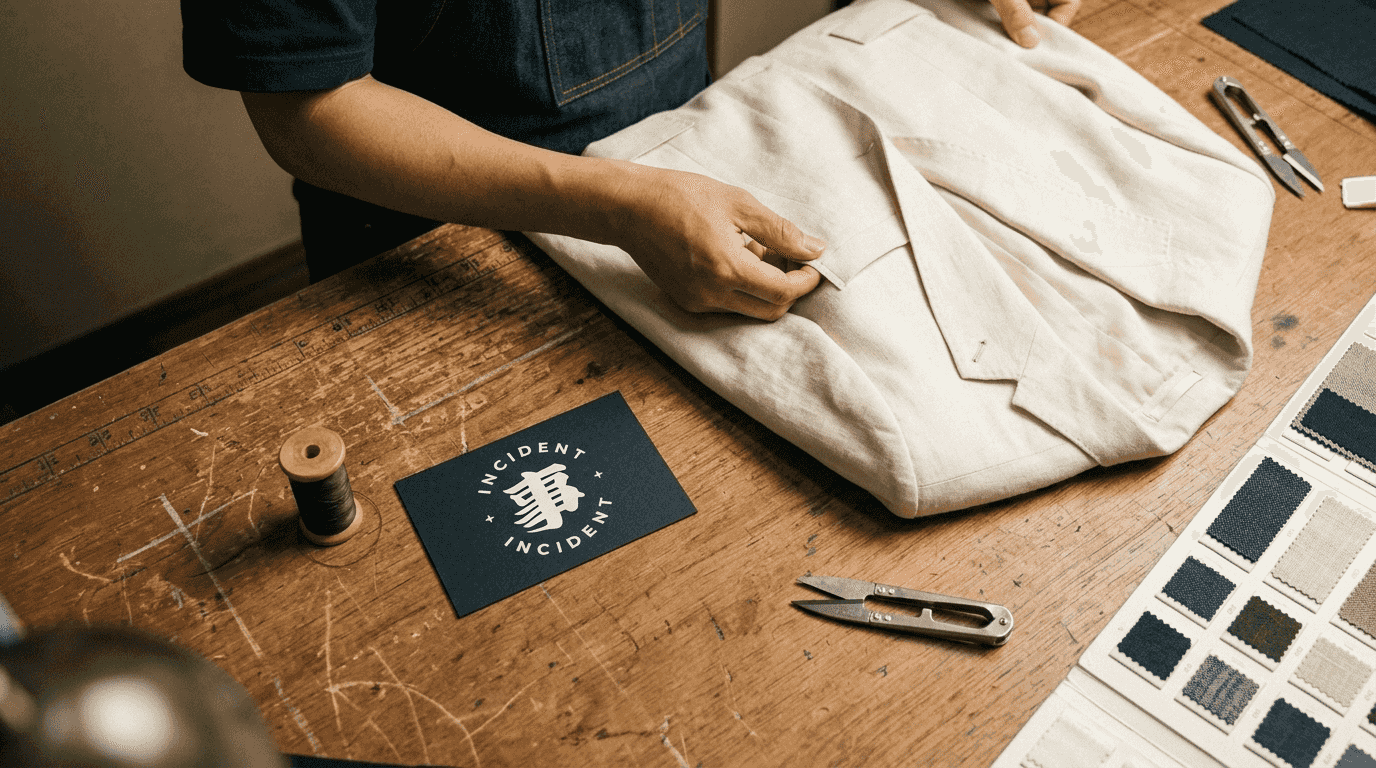
The TAAKK Denim Circle Bag exemplifies this fusion of minimalist design and functional innovation. Its sculptural form challenges conventional bag silhouettes while maintaining practical versatility. The piece transforms from shoulder bag to backpack, demonstrating how Japanese designers prioritize adaptability without sacrificing aesthetic integrity. This approach resonates with consumers seeking investment pieces that perform across multiple contexts.
Japanese streetwear incorporates superior materials that justify premium pricing. Brands source exclusive fabrics, employ traditional dyeing techniques, and partner with specialized manufacturers. This commitment to quality creates garments that improve with age rather than deteriorate. The tactile experience becomes part of the luxury proposition, differentiating these pieces from mass-market alternatives.
Minimalism imbues luxury by emphasizing quality over volume. A single perfectly constructed jacket carries more prestige than a closet full of mediocre items. Japanese brands leverage this principle to build collections that encourage thoughtful consumption. Each piece integrates seamlessly into existing wardrobes, supporting the functional streetwear movement that prioritizes versatility and longevity.
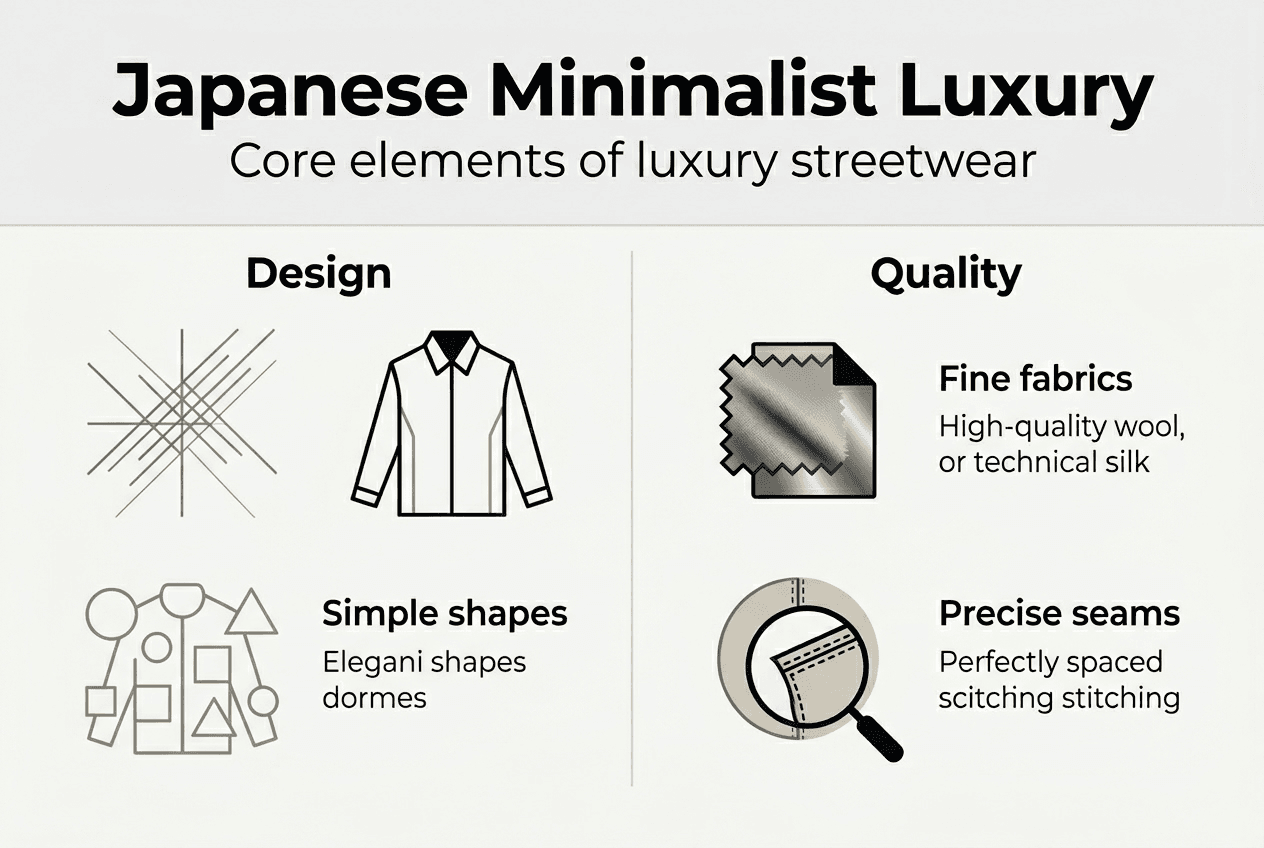
Global designers increasingly adopt Japanese aesthetics, recognizing their universal appeal. The influence extends beyond garment construction to retail environments, packaging, and brand storytelling. This cultural exchange enriches the luxury streetwear landscape, creating hybrid styles that honor tradition while embracing innovation. The Japanese streetwear styles emerging in 2026 demonstrate this ongoing evolution.
Core elements of Japanese minimalist luxury:
- Clean silhouettes that emphasize form and proportion over decoration
- Premium fabrics sourced from specialized Japanese mills and dyers
- Functional details that enhance wearability without visual clutter
- Neutral color palettes that facilitate wardrobe integration
- Construction techniques derived from traditional Japanese craftsmanship
| Design Element | Japanese Approach | Luxury Impact |
|---|---|---|
| Silhouette | Clean, architectural lines | Timeless appeal, transcends trends |
| Materials | Premium fabrics, traditional dyeing | Superior durability, tactile quality |
| Details | Functional, understated | Enhances versatility, reduces visual noise |
| Color | Neutral, earth-tone palettes | Facilitates mixing, signals sophistication |
Pro Tip: When evaluating Japanese luxury streetwear, examine construction details like seam finishing and fabric weight. Authentic pieces reveal their quality through subtle craftsmanship rather than obvious branding.
How price and brand prestige shape luxury streetwear perceptions
Pricing in luxury streetwear directly reflects material quality, design complexity, and brand prestige. Superior fabrics command higher costs, as do intricate construction techniques that require specialized skills. Brands investing in research, development, and quality control pass these expenses to consumers. The price becomes a signal of commitment to excellence rather than arbitrary markup.
Luxury streetwear items typically range from €315 to €1,270 depending on garment type and brand positioning. Entry-level pieces like premium t-shirts occupy the lower range, while outerwear and collaborative items reach upper tiers. This pricing structure creates accessibility points for emerging consumers while maintaining aspirational products for established collectors. The spread also allows brands to segment their offerings without diluting luxury perception.
Human Made’s IPO success demonstrates investor confidence in credible luxury streetwear brands. The public offering validated streetwear’s transition from subculture to legitimate fashion sector. Established brands with authentic heritage and consistent quality attract both consumer loyalty and financial backing. This market maturation separates serious players from trend-chasing opportunists.
Brand prestige accumulates through heritage, strategic collaborations, and consistent innovation. Labels that maintain design integrity while evolving with cultural shifts earn lasting respect. Collaborations with artists, musicians, and other fashion houses amplify prestige by association. However, excessive partnerships can dilute brand identity, so selectivity matters. The most successful brands balance accessibility with exclusivity, creating desire without oversaturation.
Understanding pricing helps consumers distinguish authentic luxury from inflated hype. Legitimate brands justify costs through transparent material sourcing, ethical production, and design innovation. Mass-market imitators rely on artificial scarcity and celebrity endorsements without underlying quality. Researching brand histories and examining garment construction reveals true value. The Swiss market for Japanese streetwear offers curated access to verified luxury brands.
Factors influencing luxury streetwear pricing:
- Premium fabric sourcing from specialized mills and suppliers
- Complex construction requiring skilled artisan labor
- Limited production runs that increase per-unit costs
- Brand heritage and cultural significance within streetwear history
- Collaborative partnerships with respected artists and designers
- Marketing and retail presentation that reinforce luxury positioning
| Brand Tier | Price Range | Design Complexity | Market Position |
|---|---|---|---|
| Emerging Japanese | €315 - €450 | Moderate, focused collections | Building prestige, niche appeal |
| Established Japanese | €450 - €800 | High, innovative techniques | Strong heritage, global recognition |
| Collaborative/Limited | €800 - €1,270+ | Very high, artistic integration | Maximum exclusivity, collector focus |
Pro Tip: Compare pricing across multiple authorized retailers to verify authenticity. Legitimate luxury streetwear maintains consistent pricing globally, while counterfeit operations often undercut dramatically to attract uninformed buyers.
The future of luxury streetwear: digital innovation and growing Japanese market
Digital supply-chain advances enable brands to execute limited drops without stockouts, balancing scarcity with consumer satisfaction. Real-time inventory tracking, predictive analytics, and automated reordering systems optimize production runs. Brands can now gauge demand accurately before manufacturing, reducing waste while maintaining exclusivity. This technological integration supports sustainability goals without sacrificing the luxury appeal of limited availability.
Social media platforms continue driving youth engagement through immersive content and interactive campaigns. Brands leverage augmented reality try-ons, virtual fashion shows, and influencer partnerships to maintain relevance. Direct-to-consumer models eliminate retail markup, allowing brands to invest more in quality while offering competitive pricing. The viral nature of digital marketing creates global awareness overnight, democratizing access to luxury streetwear beyond traditional fashion capitals.
Japan’s streetwear market is projected to nearly triple by 2033, positioning the country as a dominant force in luxury streetwear. Domestic brands expand internationally while maintaining cultural authenticity. This growth attracts foreign investment and collaborative opportunities, further elevating Japanese design influence. The market expansion reflects both domestic consumption increases and global appetite for Japanese aesthetics.
The global streetwear market grows at a 3.6% CAGR, driven by youth culture and digital platforms. Sustainability increasingly influences purchasing decisions, with consumers demanding transparent supply chains and ethical production. Brands adopting circular economy principles, using recycled materials, and offering repair services gain competitive advantages. This shift aligns with Japanese design philosophies that value longevity and thoughtful consumption.
Investment activity and IPOs highlight confidence in streetwear’s sustained growth. Financial institutions recognize luxury streetwear as a viable asset class with strong fundamentals. This legitimacy attracts institutional capital, enabling brands to scale operations while maintaining quality standards. The professionalization of the sector creates career opportunities and establishes streetwear as a permanent fixture in global fashion. The Harajuku revolution’s ongoing influence and 2026 Japanese trends demonstrate this evolution.
Emerging trends shaping luxury streetwear’s future:
- Supply-chain digitization enabling precise demand forecasting and inventory optimization
- Sustainability integration through recycled materials and circular production models
- Japanese market expansion driving global design influence and investment
- Virtual and augmented reality enhancing digital shopping experiences
- Institutional investment validating streetwear as legitimate fashion sector
“Digital supply-chain advances and social media engagement sustain luxury streetwear’s growth while Japan’s market expansion positions the country to dominate global streetwear culture through 2033 and beyond.”
| Trend Category | Current State | 2026-2033 Projection |
|---|---|---|
| Japanese Market Size | Baseline established | Nearly triple by 2033 |
| Digital Integration | Moderate adoption | Comprehensive AR/VR experiences |
| Sustainability Focus | Growing consumer demand | Industry standard requirement |
| Global Market CAGR | 3.6% annual growth | Sustained through youth engagement |
Explore luxury Japanese streetwear at INCIDENT
Now that you understand what defines luxury streetwear, experience it firsthand through carefully curated collections that embody these principles. INCIDENT offers premium Japanese-inspired clothing that blends minimalist design with contemporary streetwear culture. Each piece reflects the quality, craftsmanship, and aesthetic discipline discussed throughout this article.

Our pima cotton t-shirt collection demonstrates how superior materials elevate basic garments to luxury status. These aren’t ordinary tees. They’re investment pieces constructed from premium fabrics with attention to fit, durability, and timeless style. Discover why fashion-forward consumers in Switzerland and globally choose INCIDENT for authentic Japanese streetwear that honors tradition while embracing innovation. Explore collections that transform your wardrobe with pieces designed to last beyond seasons.
Frequently asked questions
What defines luxury in streetwear beyond price?
Luxury streetwear combines exclusivity through limited production, superior material quality, and authentic cultural heritage. Brand prestige built over years through consistent innovation and community respect distinguishes true luxury from expensive hype. The garments must deliver tangible value through construction, design, and longevity that justify premium pricing.
How do Japanese aesthetics influence luxury streetwear?
Japanese design emphasizes minimalism, clean lines, and functional innovation that elevate streetwear beyond trend-driven fashion. Superior craftsmanship, premium fabric sourcing, and attention to subtle details create garments that improve with age. This approach prioritizes quality over quantity, encouraging thoughtful consumption and wardrobe longevity.
Why do social media and limited drops matter for luxury perception?
Digital platforms enable viral marketing that creates instant global awareness and community engagement. Limited drops generate scarcity that transforms garments into collectible items with appreciation potential. This combination of accessibility and exclusivity defines modern luxury streetwear marketing, replacing traditional retail models with direct consumer relationships.
How can I identify authentic luxury streetwear brands?
Research brand heritage, examine construction quality, and verify consistent pricing across authorized retailers. Authentic luxury brands demonstrate transparent material sourcing, ethical production practices, and design innovation. Compare garment details like seam finishing, fabric weight, and hardware quality against mass-market alternatives to reveal true craftsmanship.
What future trends will shape luxury streetwear?
Sustainability through recycled materials and circular production models will become industry standards. Japan’s market expansion will drive global design influence as digital innovations like AR try-ons enhance shopping experiences. Institutional investment validates streetwear’s permanence in fashion, supporting brand growth while maintaining quality and cultural authenticity through 2033 and beyond.
Recommended
- Harajuku Streetwear: The Japanese Fashion Revolution | Incident Store - INCIDENT
- Curate unique Japanese streetwear styles in 2026 – INCIDENT
- INCIDENT: Japanese Streetwear in Switzerland.
- What is functional streetwear? A 2026 guide – INCIDENT
- 4 Vision Premium Streetwear Hoodie – Classic Fit with Pouch Pocket – 4 VISION


Share:
Top 7 kjhsurf.com.au Alternatives 2026
What is luxe streetwear? A 2026 guide to Japanese style