


Many believe fashion-forward means chasing every flashy trend or wearing the boldest statement pieces. This misconception reduces a sophisticated concept to superficial hype. True fashion-forward style involves anticipating emerging trends early, adopting innovative designs with confidence, and prioritizing quality craftsmanship over fleeting popularity. Japanese streetwear and minimalist design perfectly exemplify this approach, blending subtle innovation with enduring elegance. This guide clarifies what fashion-forward truly means in 2026, explores how trend adoption works, and shows you how to elevate your urban style with timeless, premium pieces that balance boldness with restraint.
Table of Contents
- Understanding What Fashion-Forward Means In 2026
- How Emerging Trends Shape Fashion-Forward Styles
- Japanese Streetwear And Minimalist Design: A Fashion-Forward Fusion
- Elevate Your Urban Style: Applying Fashion-Forward Principles
- Find Your Fashion-Forward Edge With INCIDENT
- Frequently Asked Questions
Key takeaways
| Point | Details |
|---|---|
| Fashion-forward definition | Anticipating and adopting trends early with innovation and boldness, not just following mainstream styles. |
| Trend adoption methods | Monitoring runway shows, social media, niche brands, and using professional forecasting tools. |
| Japanese streetwear excellence | Combines durable materials, minimalist design, and premium craftsmanship for lasting fashion-forward appeal. |
| Balance innovation with quality | True fashion-forward style prioritizes timeless pieces and superior construction over temporary hype. |
Understanding what fashion-forward means in 2026
Fashion-forward describes a proactive approach to style that anticipates what’s next rather than following what’s popular now. Unlike fast fashion consumers who wait for trends to saturate the market, fashion-forward individuals adopt emerging styles early, often before they hit mainstream retail. This approach requires boldness, innovation, and a willingness to push boundaries while maintaining sophisticated taste.
Fashion-forward describes styles, individuals, or brands that anticipate and adopt emerging trends before they become mainstream, characterized by innovation, boldness, and boundary-pushing.
The distinction between fashion-forward and trendy matters significantly. Trendy implies reactive behavior, jumping on bandwagons after everyone else validates a style. Fashion-forward means leading rather than following, curating looks that reflect genuine innovation and personal vision. This philosophy aligns perfectly with Japanese streetwear, where Harajuku fashion revolutionized global style by prioritizing craftsmanship and subtle details over loud branding.
In 2026, fashion-forward style emphasizes sustainability and longevity alongside innovation. The most forward-thinking individuals invest in pieces that combine cutting-edge design with timeless construction, rejecting the disposable mentality of conventional fast fashion. Japanese minimalist design exemplifies this balance, offering garments that feel contemporary yet endure beyond seasonal cycles.
For urban style enthusiasts, understanding fashion-forward principles transforms how you build your wardrobe. Instead of accumulating trendy items that lose relevance quickly, you curate a collection of innovative, high-quality pieces that maintain their edge year after year. This approach not only elevates your personal style but also supports more sustainable consumption patterns.
How emerging trends shape fashion-forward styles
Identifying emerging trends before they saturate the market requires multiple information channels and strategic timing. Fashion-forward individuals monitor runway shows from major fashion weeks, track street style photography from global style capitals, analyze social media platforms for grassroots movements, and follow niche independent brands that often pioneer new directions. Professional trend forecasters work 6-12 months ahead for operational planning and 18-24 months for strategic forecasting, giving brands time to develop collections that feel fresh upon release.
The mechanics of trend adoption have accelerated dramatically with digital platforms and responsive supply chains. Zara revolutionized the industry by compressing the traditional design-to-store cycle to 2-3 weeks, allowing rapid response to emerging trends. However, true fashion-forward style goes beyond speed, requiring discernment about which trends align with your aesthetic vision and values.
Key trend sourcing channels include:
- International runway shows and fashion week presentations
- Street style photography from Tokyo, Seoul, Paris, and New York
- Instagram and TikTok fashion communities showcasing emerging designers
- Independent boutiques and concept stores curating avant-garde brands
- Fashion forecasting services analyzing consumer behavior and cultural shifts
- Niche online communities discussing underground style movements
The difference between traditional and fast-fashion approaches to trend adoption reveals important distinctions:
| Aspect | Traditional Fashion | Fast Fashion | Fashion-Forward Approach | | — | — | — | | Timeline | 12-18 months ahead | 2-4 weeks response | 6-12 months selective adoption | | Quality focus | High craftsmanship | Low cost production | Premium materials with innovation | | Trend selection | Curated seasonal themes | Mass market popularity | Niche emerging styles | | Longevity | Multi-season wear | Single season disposal | Timeless with contemporary edge |
Pro Tip: Diversify your trend sources beyond mainstream fashion media to discover genuinely innovative styles before they become oversaturated.
For those interested in mastering streetwear styling, understanding these trend mechanisms helps you identify which emerging elements deserve investment versus which represent fleeting fads. The goal is informed early adoption, not blind trend chasing.
Japanese streetwear and minimalist design: a fashion-forward fusion
Japanese streetwear emerged from workwear utility traditions, creating a unique fashion-forward aesthetic that prioritizes function, durability, and refined simplicity over flashy branding. This approach represents the pinnacle of sophisticated urban style, where strength trumps trends and construction quality determines value. Brands rooted in this philosophy design garments that feel innovative yet timeless, bold yet understated.
The materials used in Japanese streetwear reflect this commitment to premium craftsmanship. Heavyweight cotton jerseys provide structure and longevity, dense canvas resists wear while developing character over time, selvedge denim showcases traditional weaving techniques, and sashiko weaves add visual interest through functional reinforcement. These fabrics cost more initially but deliver superior value through extended wearability and aging gracefully rather than deteriorating.
Core design elements distinguish Japanese minimalist streetwear from conventional urban fashion:
- Refined proportions that balance oversized silhouettes with tailored precision
- Neutral color palettes emphasizing black, white, gray, navy, and earth tones
- Durability-focused construction with reinforced stress points and quality stitching
- Functional details like utility pockets and adjustable elements
- Clean lines that avoid excessive branding or decorative elements
- Layering potential through thoughtful cut and fabric weight
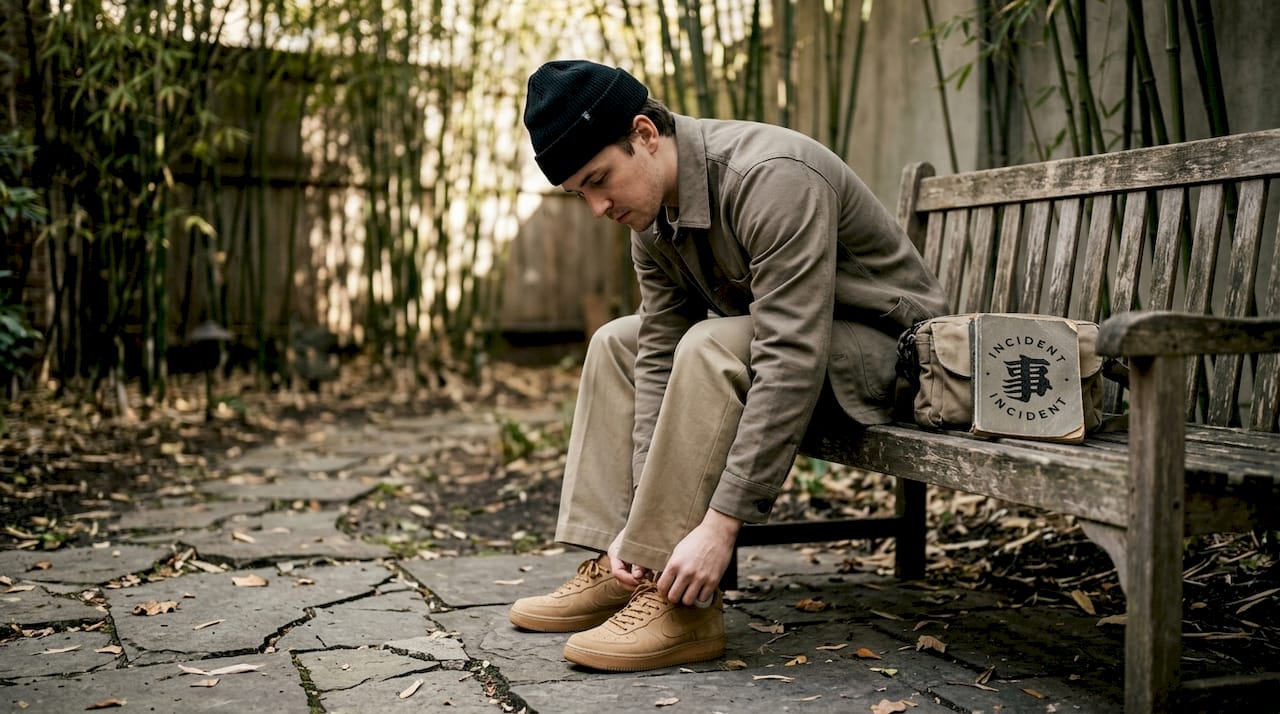
This aesthetic represents true fashion-forward thinking because it anticipates the shift away from logo-driven hype culture toward appreciation for minimalism in streetwear. The understated confidence of a perfectly constructed chore coat or wide-leg trouser speaks louder than any branded graphic. These pieces work across contexts, from casual urban environments to creative professional settings.
Pro Tip: Invest in timeless staples like heavyweight chore coats and wide trousers in neutral tones for maximum versatility and lasting fashion-forward appeal.
The fusion of Japanese craftsmanship with contemporary streetwear creates garments that feel simultaneously innovative and familiar. A well-designed piece incorporates subtle details that reveal themselves over time, rewarding closer inspection without demanding attention. This philosophy aligns with the luxury minimalist approach that defines the most sophisticated fashion-forward style in 2026.
Elevate your urban style: applying fashion-forward principles
Applying fashion-forward principles to your personal style requires strategic thinking about trend forecasting, selective investment, and balancing innovation with timeless quality. Start by developing awareness of emerging styles through diverse sources, then filter these trends through your personal aesthetic and practical needs. The goal is building a wardrobe that feels current without chasing every fleeting movement.
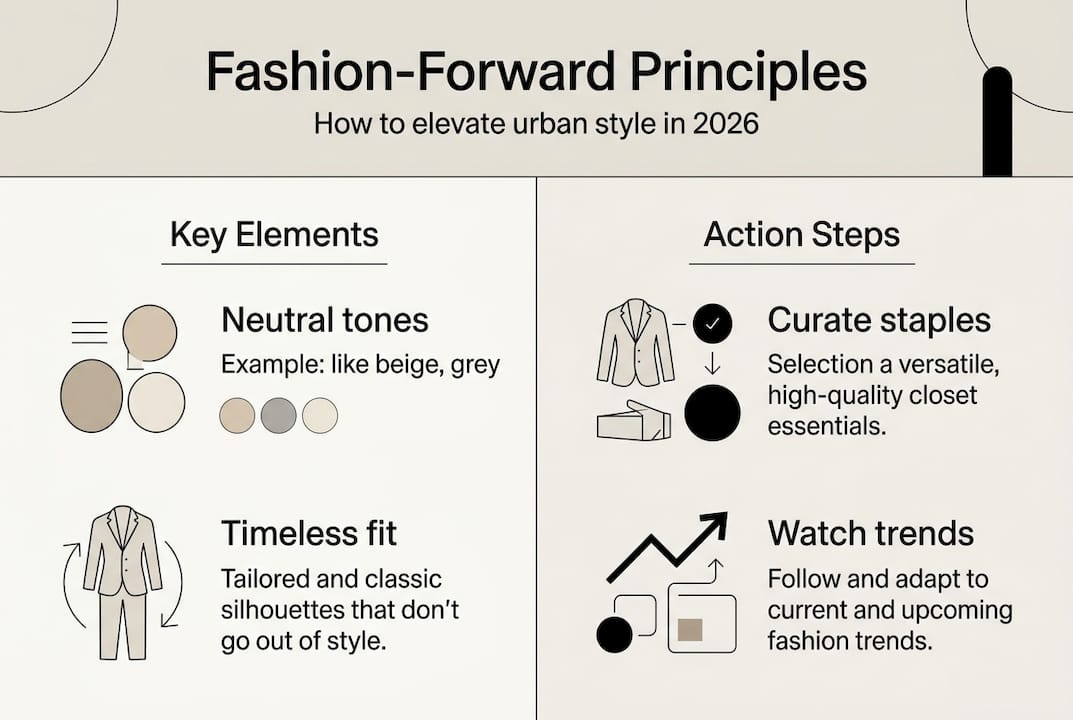
Professional approaches to elevating urban style emphasize quality over quantity, investing in Japanese-inspired durable pieces like chore coats and wide trousers that provide versatility across seasons and contexts. These foundational garments anchor your wardrobe, allowing you to experiment with emerging trends through smaller accessories or layering pieces without compromising your core style.
Practical steps to embrace fashion-forward urban style:
- Monitor trend forecasting platforms and fashion publications for emerging movements
- Identify which trends align with your existing aesthetic and lifestyle needs
- Invest in premium durable pieces with timeless silhouettes and superior construction
- Build a neutral foundation that supports experimental layering and accessorizing
- Prioritize fit and tailoring to ensure every piece flatters your proportions
- Mix innovative contemporary items with classic staples for balanced looks
- Focus on quality fabrics that age well rather than synthetic fast-fashion materials
The difference between fashion-forward and conventional streetwear becomes clear when comparing key features:
| Feature | Fashion-Forward Pieces | Conventional Streetwear |
|---|---|---|
| Materials | Heavyweight cotton, selvedge denim, premium canvas | Thin synthetic blends, standard cotton |
| Construction | Reinforced seams, quality hardware, durable stitching | Basic construction, cost-minimized details |
| Design longevity | Timeless silhouettes with subtle innovation | Trend-dependent graphics and cuts |
| Versatility | Multi-context wearability through refined design | Limited to casual streetwear contexts |
| Price per wear | High initial cost, low long-term cost | Low initial cost, high replacement frequency |
Pro Tip: Prioritize fit and layering potential when selecting pieces to maximize outfit versatility and extend the functional life of your wardrobe.
Successfully curating unique Japanese streetwear styles means understanding that fashion-forward doesn’t require constant purchasing. Instead, it involves thoughtful curation of pieces that work together cohesively while allowing room for personal expression. Each addition should enhance your existing collection rather than requiring entirely new supporting items.
The most effective fashion-forward wardrobes combine innovation with restraint. You might adopt an emerging silhouette like wide-leg trousers or an oversized chore coat, but execute it in neutral tones with premium materials that ensure longevity. This approach lets you participate in contemporary style movements without sacrificing the timeless quality that defines truly sophisticated urban fashion.
Find your fashion-forward edge with INCIDENT
INCIDENT offers curated collections that embody the fashion-forward principles explored throughout this guide. Our Japanese-inspired streetwear combines minimalist design with premium craftsmanship, providing the foundation for elevated urban style that lasts beyond seasonal trends. Each piece reflects careful attention to materials, construction, and timeless silhouettes that feel innovative yet enduring.
Our minimalist clothing collection features durable garments designed for versatile layering and multi-context wearability. From heavyweight chore coats to refined wide-leg trousers, every item balances contemporary edge with classic construction quality. We prioritize fabrics that age gracefully, like our premium Pima cotton t-shirts that maintain their shape and softness through countless wears.
Key benefits of INCIDENT’s fashion-forward approach:
- Premium Japanese-inspired designs that anticipate rather than follow trends
- Durable construction using heavyweight fabrics and reinforced details
- Neutral color palettes that support endless styling combinations
- Timeless silhouettes with subtle innovative elements
- Global shipping for fashion-forward individuals worldwide
Pro Tip: Starting with curated premium pieces from specialized brands accelerates your journey toward mastering fashion-forward style while supporting sustainable consumption.
Explore our collections to discover how Japanese minimalism and contemporary streetwear merge into garments that elevate your personal style with lasting impact.
Frequently asked questions
What is the difference between fashion-forward and trendy?
Fashion-forward describes proactive early adoption of emerging styles with innovation and personal vision, while trendy implies reactive following of already popular movements. Fashion-forward individuals lead style conversations by identifying and embracing new directions before mainstream validation. Trendy consumers wait for widespread acceptance before adopting looks, often after the most innovative adopters have moved on. Fashion-forward pieces typically feature superior construction and timeless elements that extend their relevance beyond initial trend cycles.
How can I incorporate minimalist fashion-forward elements into my wardrobe?
Start by building a foundation of neutral-toned staples with refined silhouettes and premium construction quality. Invest in versatile Japanese streetwear pieces like heavyweight chore coats, wide-leg trousers, and quality basics in black, white, gray, and navy. Focus on fit and fabric quality over quantity, selecting garments with layering potential and multi-context wearability. Gradually introduce subtle innovative elements through proportions or details while maintaining the clean aesthetic that defines minimalist fashion-forward style.
Why is early trend adoption important for fashion-forward style?
Early adoption ensures originality and positions you as a style leader rather than follower within your communities. Embracing emerging trends before saturation allows integration of innovative designs while they still feel fresh and distinctive. This timing creates opportunities to influence others and express genuine personal vision rather than conforming to established norms. Early adopters also access the highest quality interpretations of new trends before mass market dilution compromises design integrity and construction standards.
Can Japanese streetwear work for professional or formal contexts?
Japanese minimalist streetwear’s refined proportions and neutral palettes translate effectively into creative professional environments and smart casual contexts. Well-constructed chore coats, tailored wide-leg trousers, and premium basics offer sophistication without traditional formality. The key is selecting pieces with clean lines, quality fabrics, and subtle details rather than obvious streetwear signifiers. Many fashion-forward professionals blend Japanese-inspired garments with conventional tailoring to create distinctive looks that respect workplace norms while expressing personal style.
How do I balance innovation with timeless style in my wardrobe?
Build your wardrobe around timeless foundational pieces in neutral colors and classic silhouettes, then introduce innovation through proportions, layering, and selective trend adoption. Apply the 80/20 rule for streetwear styling: 80% timeless staples, 20% experimental pieces. This approach ensures your overall aesthetic remains cohesive and enduring while allowing room for creative expression and contemporary relevance. Prioritize quality construction in all purchases so even your most innovative pieces maintain value and wearability beyond their initial trend moment.
Recommended
- Master streetwear trends in 2026: Your complete guide – INCIDENT
- Understanding streetwear hype: Japanese style’s rise in 2026 – INCIDENT
- What is classic streetwear? A 2026 style guide – INCIDENT
- How to photograph streetwear for social media in 2026 – INCIDENT
- 6 styles lingerie sexy pour confort et élégance en 2026 – Valetta.fr
Share:
How to photograph streetwear for social media in 2026
Master brand identity in streetwear: a 2026 guide