

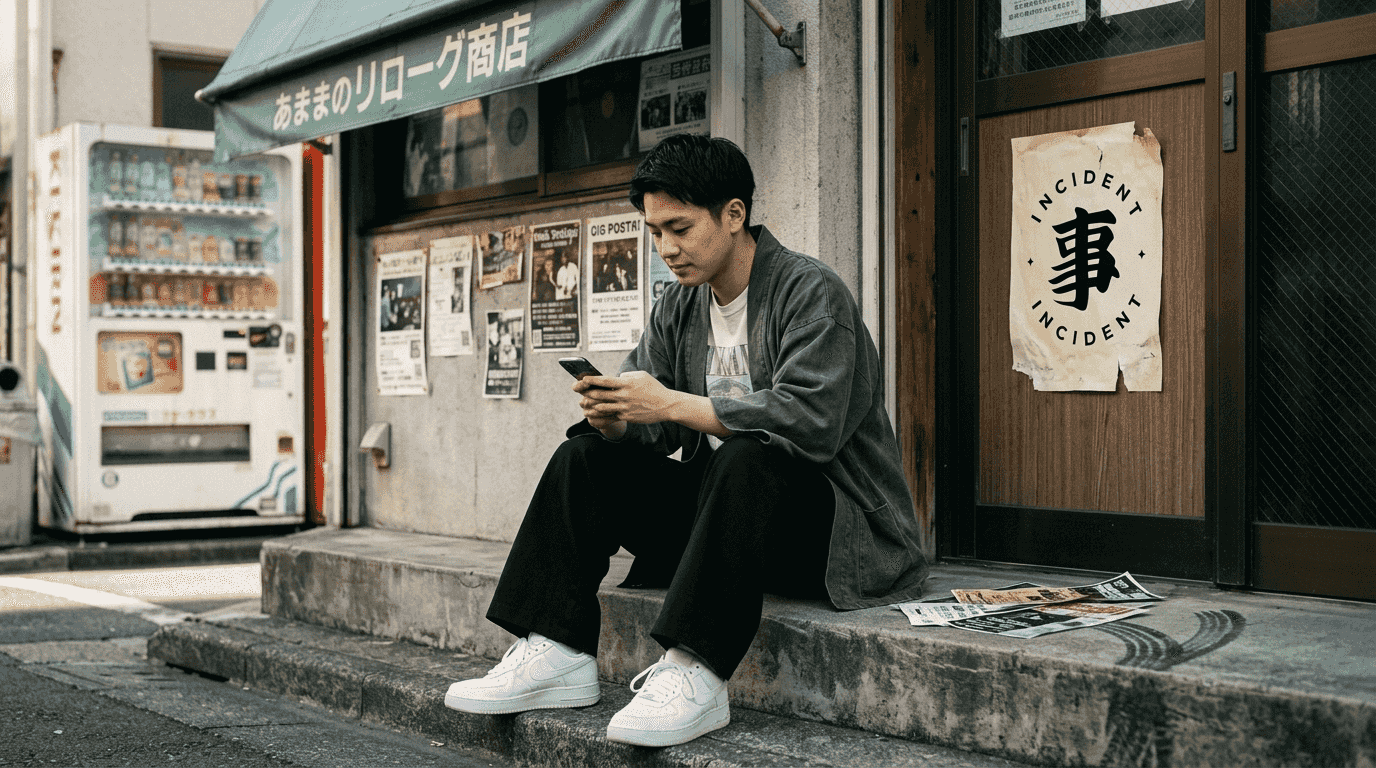
Keeping up with evolving streetwear trends feels overwhelming, especially when you want to nail the unique Japanese-influenced aesthetic that blends tradition with modern edge. In 2026, Japanese streetwear continues to dominate global fashion, but mastering the layering, textures, and minimalist symbolism requires more than following hype. This guide breaks down exactly how to build authentic Japanese-inspired streetwear outfits step by step, from understanding cultural roots to styling your final look with intention and individuality.
Table of Contents
- Understanding The Core Elements: Traditional Influences Meet Modern Streetwear
- Prepare Your Wardrobe: Mastering Layering, Textures, And Proportions
- Step-By-Step Styling: Building Your 2026 Streetwear Outfit
- Troubleshooting And Refining Your Streetwear Style
- Explore Curated Japanese Streetwear Collections At INCIDENT
Key takeaways
| Point | Details |
|---|---|
| Cultural fusion defines the aesthetic | Japanese streetwear merges traditional elements like sashiko with Western denim and graphics for distinctive style. |
| Layering requires intentional proportions | Mix lengths, textures, and volumes purposefully to create visual depth and personal expression. |
| Minimalism replaces loud branding | Subtle symbols, clean lines, and quality fabrics matter more than flashy logos in 2026. |
| Step-by-step approach ensures success | Building outfits systematically from base to outer layers creates balanced, functional streetwear. |
| Personal symbolism elevates your look | Meaningful details and tonal choices communicate identity better than generic slogans. |
Understanding the core elements: Traditional influences meet modern streetwear
Japanese streetwear blends traditional Japanese culture with modern Western fashion, creating a unique style that stands apart from typical urban wear. This fusion isn’t random. It draws from centuries of Japanese clothing design that prioritized modularity, layering, and symbolic detail, then adds Western elements like vintage denim, graphic tees, and sneaker culture.
Traditional Japanese garments like kimonos and hakamas influence modern silhouettes through their emphasis on drape and movement. Sashiko stitching, originally a reinforcement technique for workwear, now appears as decorative detail on contemporary jackets and jeans. Indigo dyeing methods that date back generations inform the rich, deep blues you see in premium denim pieces today. These aren’t costumes or cultural appropriation when done thoughtfully. They’re design languages that inform how garments move, layer, and age.
Western influences entered Japanese street fashion through American military surplus after World War II, vintage Americana in the 1970s, and hip hop culture in the 1980s and 1990s. Iconic Japanese streetwear brands like BAPE and Mastermind Japan pioneered bold graphics and signature details that influenced global fashion trends. These brands showed how to mix Tokyo’s urban energy with Los Angeles skate culture and New York hip hop aesthetics.
Understanding these roots helps you approach modern streetwear with authenticity rather than just copying looks. When you know why certain proportions work or why specific fabrics pair well, you make smarter wardrobe choices. The harajuku streetwear revolution demonstrated how subcultures could create entirely new fashion languages by respecting tradition while pushing boundaries.
Key traditional elements that still influence 2026 streetwear:
- Kimono-inspired draping and sleeve construction
- Sashiko stitching patterns as functional decoration
- Indigo dyeing techniques for rich, evolving color
- Hakama proportions informing wide-leg silhouettes
- Obi belt concepts translated to modern accessories
Western influences that blend seamlessly:
- Vintage denim as a foundational layering piece
- Graphic tees with minimalist or symbolic prints
- Sneaker culture emphasizing comfort and statement
- Workwear durability and functional pockets
- Military surplus utility and technical fabrics
This cultural foundation naturally leads to the preparation phase: learning the functional and stylistic layering techniques that define modern Japanese streetwear.
Prepare your wardrobe: mastering layering, textures, and proportions
Japanese streetwear stands out because of how deliberately it uses layering as a core design element to create visual communication and individual expression. Preparing your wardrobe means understanding that every layer serves both aesthetic and functional purposes. You’re not just piling clothes on. You’re building a silhouette that reflects your mood, identity, and the day’s demands.
Core layering techniques involve combining long and short garments to create intentional contrasts. An oversized long coat over a cropped hoodie creates visual interest through proportion and length manipulation, a defining trait of Japanese street fashion. The interplay between fitted and loose pieces guides the eye and creates movement as you walk.

Texture and fabric mixing is key to creating depth in Japanese urban style. Combine soft cotton tees with rigid denim, technical nylon with wool knits, or smooth silk with textured canvas. These contrasts add richness without relying on loud colors or graphics. A monochrome outfit becomes dynamic when you layer matte jersey under glossy technical fabric.
Balance oversized outerwear with fitted inner layers for comfort and shape. An enormous puffer jacket works when paired with slim joggers and a form-fitting base layer. Without that balance, you risk looking shapeless rather than intentionally oversized. The goal is controlled volume, not accidental bulk.
Use layering to reflect mood and identity rather than just functionality. Some days call for minimal layers and clean lines. Others invite experimental stacking of vests, shirts, and jackets. Your outfit should communicate something about who you are, not just keep you warm. This is where unique streetwear layering becomes personal expression.
Practical layering tips for building your wardrobe:
- Start with neutral base colors (black, white, gray, navy, olive) to maximize mixing options
- Invest in pieces with different lengths (cropped, standard, longline) for proportion play
- Choose varied fabric weights (lightweight cotton, midweight denim, heavy wool) for texture
- Include at least one oversized statement piece (coat, hoodie, or shirt) per outfit
- Balance comfort and shape by pairing loose and fitted items strategically
Pro Tip: Start with basic fitted pieces like a slim tee and tapered pants, then progressively add textured or oversized layers to maintain coherence. This prevents the common mistake of layering too many loose items and losing your silhouette entirely.
With the wardrobe elements prepared, you can now move to execution: step-by-step styling and layering instructions applying these principles for modern streetwear looks.
Step-by-step styling: building your 2026 streetwear outfit
Building a Japanese-inspired streetwear outfit follows a systematic approach borrowed from traditional Japanese clothing’s modular design. The emphasis on layering for movement is rooted in historical Japanese clothing design prioritizing modularity and adjustability. Apply this to modern streetwear by thinking in three distinct layers: base, mid, and outer.
Step 1: Choose neutral, high-quality base layers focusing on fit and fabric. Your base layer sits against your skin and sets the foundation for everything else. Select moisture-wicking materials like quality cotton or technical blends that feel good and maintain their shape. A well-fitted base tee or long sleeve in black, white, or gray provides versatility. The fit should be close but not restrictive, allowing you to move freely while creating a clean silhouette.
Step 2: Add insulating mid-layers mixing textures and volumes purposely. This is where you introduce visual interest through fabric contrast and proportion play. Layer a loose-fitting shirt over your base tee, or add a fitted hoodie under an open button-up. Mix a chunky knit with smooth denim, or pair a technical vest over a cotton long sleeve. The mid-layer creates depth and lets you adjust for temperature while building your aesthetic.
Step 3: Finish with functional outerwear emphasizing articulation and mobility. Your outer layer makes the statement and ties everything together. Choose pieces with interesting cuts, subtle details, or quality construction that you can appreciate up close. An oversized coach jacket, structured bomber, or flowing trench coat completes the look. Ensure the outer layer allows natural movement and doesn’t restrict the layers beneath.
| Layer | Traditional Function | Modern Streetwear Equivalent | Example | | — | — | — | | Base | Moisture management, comfort | Form-fitting foundation piece | Premium cotton tee, technical long sleeve | | Mid | Insulation, adjustability | Texture and volume builder | Oversized shirt, fitted hoodie, knit vest | | Outer | Weather protection, identity | Statement piece, silhouette definer | Coach jacket, bomber, trench coat |
Minimalist streetwear emphasizes design quality, clean lines, and subtle branding. In 2026, streetwear trends are shifting from loud logos towards quality, fit, and intention. This means your outfit should rely on silhouette, texture, and personal symbolism rather than flashy graphics.
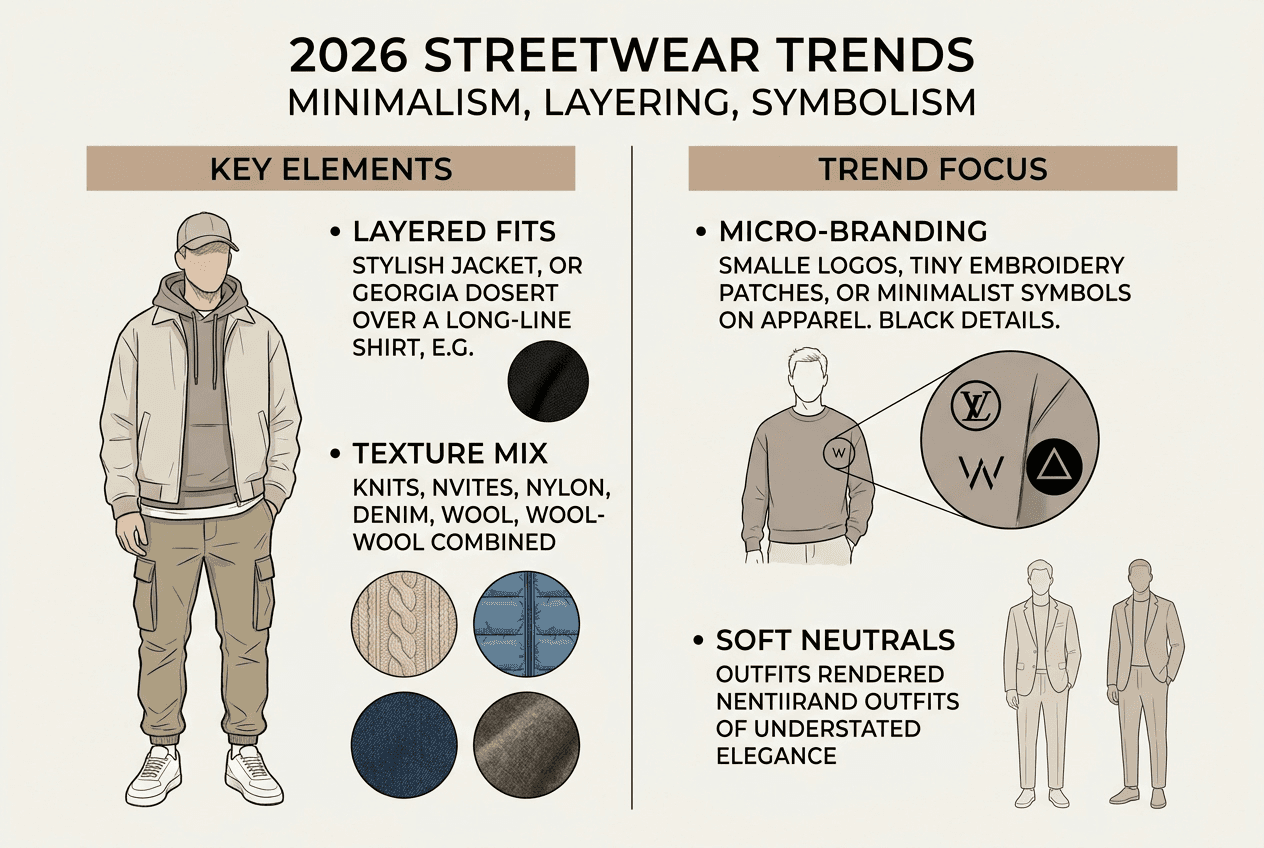
Focus on garments with micro-branding or meaningful symbols instead of billboard-sized logos. A small embroidered detail, subtle print on the inner lining, or abstract symbol carries more weight than a chest-spanning brand name. Personal symbolism might include Japanese characters that hold meaning for you, geometric patterns that resonate, or even custom patches that tell your story.
The functional streetwear guide approach prioritizes pieces that serve multiple purposes. Your mid-layer hoodie should keep you warm but also add visual interest. Your outer jacket should protect from weather while making a style statement. Every piece earns its place through both form and function.
Precise outfit buildup from base to outer layer:
- Select a fitted base layer in a neutral tone that complements your skin
- Add a mid-layer that contrasts in texture (smooth over textured, or vice versa)
- Introduce a second mid-layer if needed, varying the length from the first
- Top with an outer layer that’s 1-2 sizes larger than your base for intentional volume
- Ensure each layer is visible in some way (hem, sleeve, or neckline)
- Adjust proportions by rolling sleeves, tucking hems, or leaving pieces open
Pro Tip: Opt for micro-branding or meaningful symbols instead of flashy logos to align with 2026 trends. A small Japanese character or abstract geometric print communicates more sophistication than a loud brand name across your chest.
After mastering the practical assembly, the next section will help verify and refine your streetwear approach by avoiding common mistakes and tailoring your style for individual expression.
Troubleshooting and refining your streetwear style
Even with solid fundamentals, common mistakes can undermine your Japanese streetwear aesthetic. Over-layering without purpose creates bulk instead of intentional volume. Ignoring proportions leads to shapeless outfits that hide your silhouette rather than enhance it. Neglecting fabric harmony results in clashing textures that fight each other visually instead of complementing.
Balance comfort and shape while expressing identity through layering and minimal graphics. Your outfit should feel good to wear and move in, but it also needs visual structure. If you can’t see your silhouette or distinguish individual layers, you’ve gone too far. Pull back one layer or swap an oversized piece for a fitted alternative.
The mindset shift matters as much as the technique. Streetwear is no longer about being seen; it’s about being understood by the right people. You’re not dressing to impress strangers or flex brands. You’re communicating your taste, values, and identity to those who recognize quality and intention.
Streetwear is no longer about being seen; it’s about being understood by the right people.
Personal symbolism is replacing loud slogans with quiet signals like short phrases and abstract symbols. Instead of wearing a shirt that screams a brand name, choose pieces with subtle details that reward closer inspection. A small embroidered kanji character, minimalist line art, or tonal print speaks volumes to those paying attention.
Wearing streetwear as personal language rather than loud advertising means every choice is deliberate. Your color palette, fabric selection, and proportion decisions tell a story. Maybe you lean heavily into earth tones and natural fabrics to communicate sustainability values. Perhaps you favor technical materials and sharp cuts to express urban efficiency. The outfit becomes an extension of your identity.
Troubleshooting tips and mindset reminders:
- If your outfit feels bulky, remove one mid-layer or swap to a lighter fabric
- When proportions look off, adjust by tucking, rolling, or changing one piece’s fit
- If textures clash, stick to one dominant texture and use others as subtle accents
- When colors compete, return to a monochrome base and add one accent color maximum
- If you feel costume-y, you’ve likely over-accessorized or chosen too many statement pieces
- Remember that negative space (visible skin, simple areas) balances busy layers
- Trust that quality and fit communicate more than quantity of items or loudness of graphics
Experiment with subtle symbols and tonal outfits to create personal meaning. A fully black outfit with varying textures (matte cotton, glossy nylon, textured wool) creates depth without color. Adding one small symbolic detail, like a patch or pin with personal significance, makes it uniquely yours. The beauty of unique streetwear style curation lies in these thoughtful choices that reflect who you are.
Common refinement questions to ask yourself:
- Does each layer serve a clear purpose (functional or aesthetic)?
- Can I move comfortably and naturally in this outfit?
- Are my proportions balanced between fitted and oversized pieces?
- Do my fabric choices create intentional contrast or accidental clash?
- Would someone who shares my taste recognize the thought in my outfit?
- Am I wearing this for external validation or personal expression?
This final informational section completes the guide, leading naturally into where you can shop for curated Japanese streetwear styles to start applying these tips.
Explore curated Japanese streetwear collections at INCIDENT
Now that you understand the foundations of Japanese streetwear layering, proportions, and minimalist symbolism, it’s time to build your wardrobe with pieces that embody these principles. INCIDENT offers Japanese streetwear clothing designed specifically for the intentional, quality-focused aesthetic you’ve just learned.
Our collections feature high-quality basics and layered staples perfect for building your own 2026 streetwear looks following this guide. From PIMA cotton oversized t-shirts that serve as ideal base or mid-layers to carefully constructed outerwear emphasizing clean lines and subtle details, every piece supports the step-by-step approach outlined above.
Explore INCIDENT Japanese streetwear to discover garments that blend Japanese craftsmanship with contemporary urban style, giving you the foundation to express your individual aesthetic with confidence.
FAQ
What is the key to mastering Japanese streetwear layering?
The key lies in combining length, texture, and volume thoughtfully to express individuality while maintaining balance. Focus on intentional proportion play by mixing fitted and oversized pieces, and ensure each layer adds visual or functional value. Layering is as much about enabling natural movement as creating aesthetic depth.
How can minimalist streetwear be stylish without bold logos?
Minimalism leverages texture contrast, precise fit, and personal symbols instead of loud graphics to create visual interest. Quality fabrics, clean silhouettes, and subtle details like embroidery or tonal prints communicate sophistication more effectively than billboard branding. Intentional choices in fabric and form create timeless streetwear that ages better than trend-chasing pieces.
Where can I find authentic Japanese streetwear clothing?
INCIDENT store offers authentic and curated Japanese streetwear collections designed with the minimalist, quality-focused aesthetic central to modern Japanese urban style. Look for brands that prioritize layering versatility, premium fabrics, and subtle design details over flashy logos. Authentic pieces emphasize craftsmanship and thoughtful construction.
What fabrics work best for Japanese streetwear layering?
Combine natural fibers like premium cotton and wool with technical materials like nylon and polyester for optimal texture contrast. Cotton provides breathability and comfort for base layers, while technical fabrics add weather resistance and visual interest in outer layers. Mixing fabric weights and finishes (matte, glossy, textured) creates the depth that defines Japanese streetwear aesthetics.
How do I avoid looking shapeless when wearing oversized streetwear?
Balance oversized pieces with fitted items to maintain silhouette definition and visual structure. If you wear an oversized jacket, pair it with slim pants or a fitted base layer. Never layer multiple oversized pieces without at least one fitted element to anchor your proportions. The goal is controlled volume that enhances rather than hides your frame.
Recommended
- What is functional streetwear? A 2026 guide – INCIDENT
- Curate unique Japanese streetwear styles in 2026 – INCIDENT
- Harajuku Streetwear: The Japanese Fashion Revolution | Incident Store - INCIDENT
- INCIDENT: Japanese Streetwear in Switzerland.
- Fairfax District Hostile Work Scenes in Streetwear - Law Office of Brian Y. Shirazi, PC

Share:
What is luxe streetwear? A 2026 guide to Japanese style
Understanding streetwear hype: Japanese style's rise in 2026