


Most people think streetwear is just oversized hoodies and limited edition sneakers, but this misses the deeper cultural story. Classic streetwear emerged from specific subcultures in the 1970s, blending rebellion, functionality, and self-expression into a global fashion movement. Today, Japanese minimalism adds a refined layer to these street roots, creating styles that balance bold statements with understated elegance. This guide explores how classic streetwear evolved, why Japanese aesthetics transformed the scene, and how you can build an authentic wardrobe that honors both heritage and modern sensibility.
Table of Contents
- The Origins And Evolution Of Classic Streetwear
- Japanese Streetwear’s Minimalist Roots And Global Impact
- Modern Transformations: From Hypebeast Culture To Authentic Expression
- Styling Classic Streetwear: Combining Heritage With Modern Minimalism
- Explore Authentic Japanese Streetwear At INCIDENT
- Frequently Asked Questions About Classic Streetwear
Key takeaways
| Point | Details |
|---|---|
| Streetwear’s cultural roots | Born in 1970s NYC from hip-hop, skateboarding, and surf cultures as functional rebellion wear |
| Japanese minimalist fusion | Japan’s $31.7 billion streetwear market blends sober minimalism with bold street culture elements |
| Hypebeast decline | Modern streetwear shifts from trend chasing to authentic self-expression through niche brands |
| Styling essentials | Layer minimalist basics with statement pieces using quality fabrics and subtle accessories |
The origins and evolution of classic streetwear
Streetwear’s origins trace back to 1970s New York influenced by surfing, skateboarding, and hip-hop. The Bronx became ground zero for a fashion revolution where oversized silhouettes, bold graphics, and athletic wear merged into something entirely new. Kids wearing baggy jeans and graphic tees weren’t following fashion rules but creating their own visual language of rebellion and community.
The 1980s expanded this foundation as distinct subcultures collided. Skaters in California demanded durable clothing that could withstand concrete falls and board slides. Brands like Vans and Stussy emerged to serve this practical need while maintaining the aesthetic edge that separated street culture from mainstream fashion. Hip-hop artists in New York elevated sportswear brands like Adidas and Puma into cultural symbols, proving that functional streetwear could carry deeper meaning beyond utility.
Key developments through the decades:
- 1970s: Oversized athletic wear becomes identity markers in hip-hop communities
- 1980s: Skateboard brands merge durability with street credibility
- 1990s: Workwear brands like Carhartt get adopted for their rugged authenticity
- 2000s: Luxury collaborations blur lines between high fashion and street culture
The 1990s brought streetwear into mainstream consciousness without losing its edge. Nike’s Air Jordan line transformed sneakers into collectible art pieces. Carhartt’s heavy-duty workwear found new life among urban youth who valued its genuine toughness over manufactured cool. This era proved that classic streetwear thrived on authenticity rather than marketing hype.
“Streetwear evolved from necessity to choice, from function to expression, creating a global language spoken through clothing.”
By the 2000s, social media accelerated everything. Celebrity endorsements and limited drops created artificial scarcity that drove demand. Luxury brands noticed streetwear’s cultural capital and launched collaborations that would have seemed impossible a decade earlier. This period set the stage for both streetwear’s commercial explosion and the eventual backlash against pure consumerism that defines 2026’s landscape.
Timeline of major shifts:
- Birth phase (1970s-1980s): Subculture-driven, locally focused, authenticity paramount
- Growth phase (1990s): Brand establishment, broader appeal, maintained street credibility
- Explosion phase (2000s-2010s): Global reach, luxury crossovers, hype culture dominance
- Refinement phase (2020s): Return to authenticity, niche appreciation, quality over quantity
Japanese streetwear’s minimalist roots and global impact
Japan transformed streetwear by introducing a contradiction that somehow works perfectly: minimalist restraint meeting bold street expression. The Japanese streetwear market exploded into a $31.7 billion industry by combining these opposing forces into something distinctly Japanese yet globally influential.
Minimalist fashion in Japan emphasizes simplicity through sober colors, plain materials, and clean lines. Brands like UNIQLO and Muji built empires on this philosophy, proving that less could genuinely be more. This aesthetic stems from Japanese cultural values around restraint, quality craftsmanship, and attention to subtle details that reveal themselves slowly rather than shouting for attention.
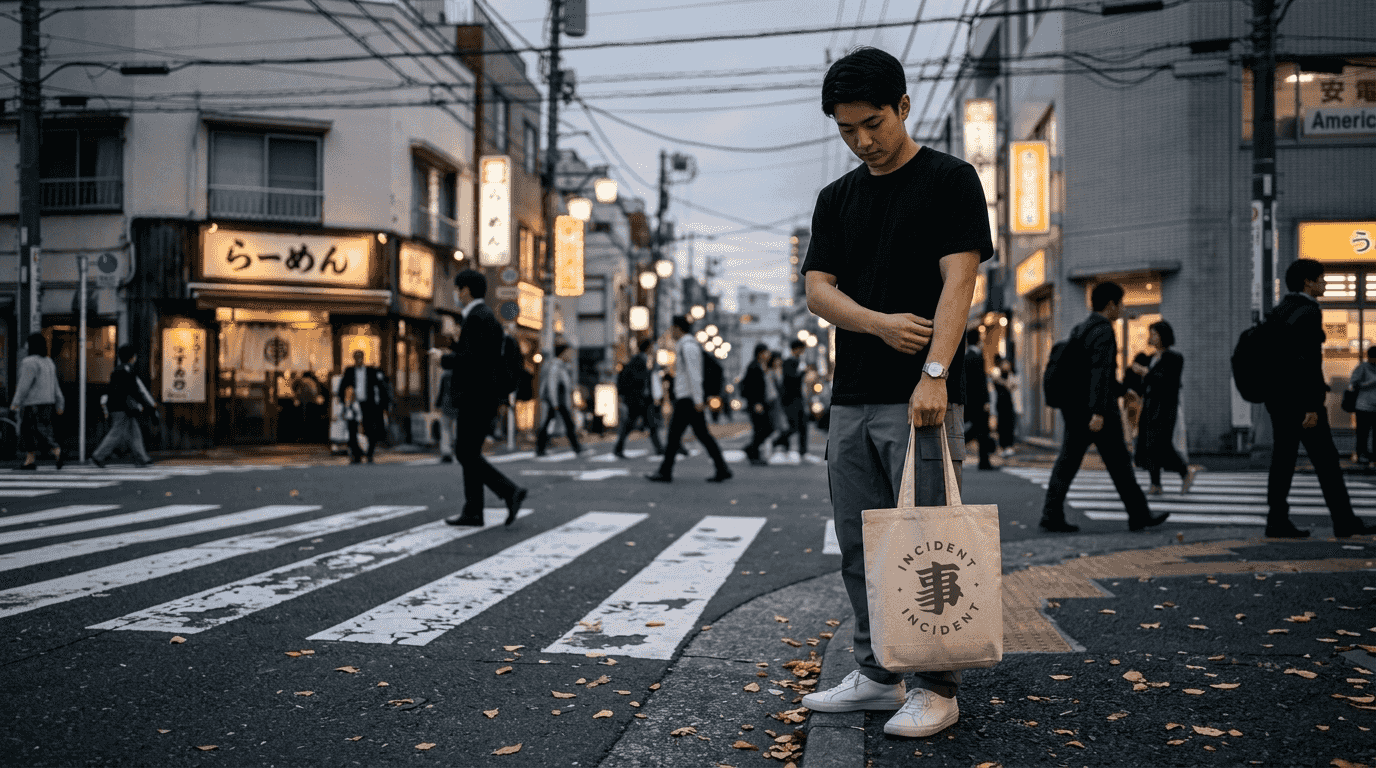
Japanese streetwear balances minimalism with street culture, creating a distinctive fashion identity that influenced global trends. Harajuku districts became laboratories where youth experimented with mixing oversized silhouettes, graphic elements, and streetwear staples against minimalist foundations. The result feels both familiar and foreign, accessible yet aspirational.
Core elements of Japanese minimalist streetwear:
| Element | Minimalist Approach | Street Culture Addition |
|---|---|---|
| Color palette | Neutral bases, blacks, whites, grays | Strategic pops through graphics or accents |
| Silhouettes | Clean lines, deliberate proportions | Oversized fits, boxy cuts, layering |
| Graphics | Absent or extremely subtle | Bold statements, cultural references |
| Fabrics | Premium quality, natural fibers | Technical materials, innovative textures |
This fusion works because both philosophies share respect for intentionality. Minimalism demands every element serve a purpose. Street culture requires authenticity and meaning behind choices. When combined, you get clothing that looks effortlessly cool while carrying deeper consideration in every seam and stitch.
Pro Tip: Study how Japanese minimalist design uses negative space and restraint to make bold elements stand out more powerfully than constant visual noise ever could.
Global pop culture absorbed these Japanese innovations rapidly. K-pop idols and international influencers adopted the aesthetic, spreading it to audiences who might never visit Tokyo but recognized something fresh in this approach. The minimalist foundation made Japanese streetwear more versatile and wearable than purely logo-driven Western streetwear, allowing people to incorporate pieces into diverse wardrobes without looking costumes.
The economic scale matters too. Japan’s streetwear market rivals entire countries’ fashion industries, proving this isn’t niche experimentation but a sustainable model that resonates across demographics. Young professionals can wear the same brands as students because the designs transcend age through timeless minimalism rather than trend-chasing excess.
Modern transformations: from hypebeast culture to authentic expression
The decline of hypebeast culture marked a move away from consumerism to niche brand appreciation. The 2010s saw streetwear become dominated by limited drops, resale speculation, and camping outside stores for products that would immediately hit secondary markets at inflated prices. This created accessibility barriers that contradicted streetwear’s inclusive origins.
Younger generations rejected this manufactured scarcity model. They watched older siblings and influencers chase every Supreme box logo and Travis Scott collaboration, recognizing the emptiness in wearing something solely because others couldn’t obtain it. The shift toward authenticity reflects broader cultural movements valuing substance over status symbols.
Signs of the cultural shift:
- Declining resale premiums for hyped releases as demand softens
- Rising popularity of under-the-radar Japanese and Korean brands
- Social media celebrating personal style over brand flexing
- Increased interest in garment construction and material quality
Brands like Stüssy survived the transition by maintaining credibility through decades. Supreme’s cultural cache diminished as it became more accessible and less exclusive. New players emerged focusing on craftsmanship, storytelling, and community rather than artificial hype. This realignment brought streetwear closer to its authentic roots where clothing choices reflected genuine interests and identities.
TikTok and Instagram shaped new aesthetics that blend vintage streetwear with contemporary minimalism. The understanding of streetwear hype evolved from chasing logos to appreciating design philosophy and cultural context. Young adults in 2026 research brand histories, fabric sourcing, and production ethics before purchases, treating clothing as long-term investments rather than disposable trends.
Pro Tip: Build your streetwear knowledge by following independent designers and niche brands on social platforms where they share design processes and inspiration, creating deeper connections than any marketing campaign could achieve.
“Authentic streetwear in 2026 means wearing pieces that tell your story, not someone else’s manufactured narrative of exclusivity and hype.”
This transformation benefits everyone except resellers and hype manipulators. Consumers access better quality at fairer prices. Brands build sustainable businesses on loyal communities rather than artificial scarcity. The culture returns to celebrating creativity, self-expression, and the craft of making great clothing that happens to look incredible.
Styling classic streetwear: combining heritage with modern minimalism
Building a classic streetwear wardrobe starts with understanding balance. The goal isn’t copying influencer fits but developing a personal aesthetic that honors streetwear’s heritage while incorporating Japanese minimalist principles. Streetwear’s shift from functional to expressive wear means your clothing choices communicate identity and values.
Start with minimalist foundations that provide versatility. A well-fitted black tee in premium cotton becomes the base for countless outfits. Quality matters more than quantity because these pieces anchor your entire wardrobe. Invest in basics that feel substantial, hold their shape after washing, and improve with age rather than deteriorating.
Essential pieces for classic streetwear:
- Premium basic tees in neutral colors (black, white, gray, navy)
- Oversized hoodie with clean design and quality construction
- Well-fitted jeans or cargo pants in versatile wash
- Classic sneakers from heritage brands with timeless silhouettes
- Minimalist outerwear (bomber jacket, coach jacket, or quality windbreaker)
- Subtle accessories (simple cap, quality backpack, understated jewelry)
Layering creates visual interest without overwhelming minimalist foundations. Pair that basic black tee with an oversized button-up left open, creating depth through contrasting proportions. Add a statement jacket when temperatures drop. The key is intentional choices where each layer serves both functional and aesthetic purposes.
Color contrast separates amateur fits from considered styling. Monochromatic outfits in varying shades create sophisticated looks that feel effortless. Alternatively, use one bold color as an accent against neutral bases, drawing attention without visual chaos. Japanese streetwear excels at this restraint, proving you don’t need rainbow palettes to stand out.
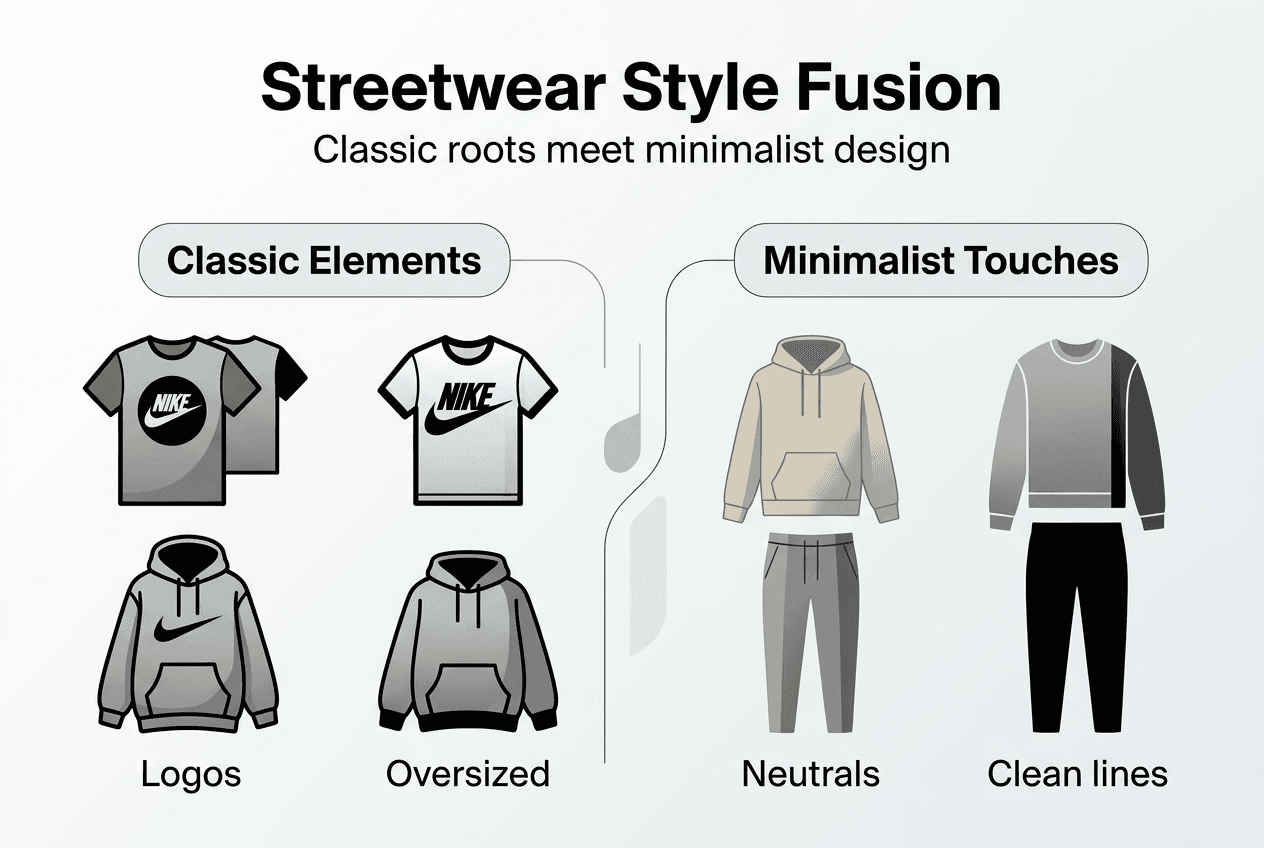
| Styling Approach | Heritage Streetwear Element | Minimalist Balance |
|---|---|---|
| Proportions | Oversized tops, relaxed fits | Tailored balance, intentional volume |
| Graphics | Bold logos, cultural statements | Strategic placement, quality over quantity |
| Accessories | Statement sneakers, caps | Subtle details, premium materials |
| Layering | Multiple pieces, texture mixing | Cohesive color stories, clean lines |
Avoid trend chasing that contradicts your authentic style. If you genuinely love a piece, incorporate it. If you’re buying because everyone else is, reconsider. Curating unique Japanese streetwear styles requires understanding what resonates personally rather than following algorithmic recommendations blindly.
Pro Tip: Photograph your favorite outfits to identify patterns in what works for your body type, lifestyle, and aesthetic preferences, then refine your wardrobe around those successful elements rather than chasing every new trend.
Quality sneakers deserve special attention as they often anchor streetwear fits. Choose classic silhouettes from brands with heritage rather than whatever dropped last weekend. White leather sneakers, black canvas high-tops, or retro runners in neutral colorways work across seasons and styles. Keep them clean because scuffed, dirty sneakers undermine even the most considered outfit.
Accessories should enhance rather than dominate. A simple black cap, quality leather belt, or understated watch adds finishing touches without competing for attention. Japanese streetwear demonstrates how small, well-chosen details create polish that separates thoughtful styling from throwing on whatever’s clean.
Explore authentic Japanese streetwear at INCIDENT
If this exploration of classic streetwear and Japanese minimalism resonates, INCIDENT’s clothing collection offers pieces that embody these principles. We design garments that honor streetwear’s cultural heritage while incorporating the refined aesthetics that make Japanese fashion globally influential.

Our Pima cotton t-shirts provide the premium basics every streetwear wardrobe needs. Each piece balances minimalist design with quality construction, creating versatile foundations you’ll reach for repeatedly. From oversized fits to subtle details, our collection reflects the authentic approach to streetwear that defines 2026’s cultural moment. Explore how INCIDENT’s Japanese streetwear can elevate your personal style beyond trends into timeless expression.
Frequently asked questions about classic streetwear
What distinguishes classic streetwear from modern streetwear?
Classic streetwear emphasizes cultural roots in skateboarding, hip-hop, and surf communities with focus on authenticity and subcultural identity. Modern streetwear often prioritizes hype, limited releases, and brand collaborations over genuine cultural connection, though 2026 sees a return to classic values.
How do I start building a classic streetwear wardrobe?
Begin with quality basics in neutral colors: premium tees, well-fitted jeans, classic sneakers, and a versatile hoodie. Focus on fit and fabric quality over logos and trends. Add statement pieces gradually as you develop your personal aesthetic, prioritizing pieces that genuinely resonate with your style.
Why do Japanese aesthetics influence streetwear so significantly?
Japan’s fashion culture uniquely balances minimalist restraint with bold street expression, creating visually interesting yet wearable styles. The country’s respect for craftsmanship, attention to detail, and willingness to experiment produced innovations that global streetwear adopted and adapted, as seen in the Harajuku streetwear revolution.
What role does social media play in shaping streetwear trends?
Social media accelerates trend cycles and democratizes access to global styles, allowing niche brands to reach worldwide audiences. Platforms like TikTok and Instagram create communities around specific aesthetics while also contributing to faster trend burnout, pushing the current shift toward more timeless, authentic pieces.
Can I mix luxury pieces with classic streetwear?
Absolutely. Mixing high and low has been part of streetwear since its origins. The key is maintaining authenticity and balance rather than flexing logos. A quality leather jacket or designer sneakers can elevate streetwear basics when chosen for design merit rather than brand recognition alone.
How has streetwear’s cultural meaning evolved since the 1970s?
Streetwear transformed from functional clothing for specific subcultures into a global fashion language expressing identity, values, and cultural awareness. While commercialization threatened its authenticity in the 2010s, 2026’s landscape shows renewed appreciation for streetwear’s original spirit of creative self-expression over pure consumerism.
Recommended
- Master streetwear trends in 2026: Your complete guide – INCIDENT
- What is functional streetwear? A 2026 guide – INCIDENT
- What is luxe streetwear? A 2026 guide to Japanese style – INCIDENT
- Understanding streetwear hype: Japanese style’s rise in 2026 – INCIDENT
- Streetwear cap styling guide 2026: express your urban style
- How to style sunglasses for a fashionable look in 2026 – 4 VISION


Share:
Understanding streetwear hype: Japanese style's rise in 2026
Top 8 Aggielandlegends.com Alternatives 2026