

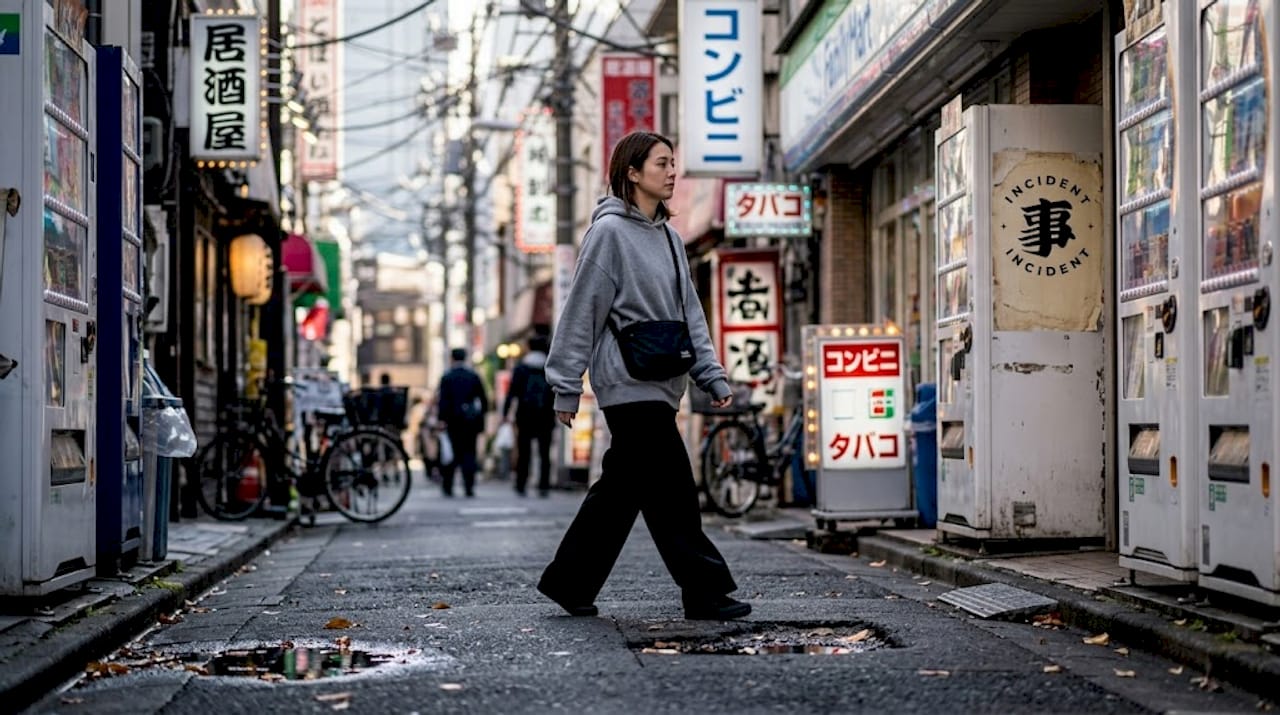
TL;DR:
- Authentic Japanese streetwear emphasizes quality, craftsmanship, and thoughtful layering over logos and loud colors.
- Minimalist Japanese streetwear offers versatile, sustainable, and timeless styles suitable for European climates and occasions.
- Women in Europe prefer oversized, layered silhouettes that promote individual agency and authentic self-expression through clothing.
Finding streetwear that genuinely stands out is harder than it looks. Mass-market fashion moves fast, yet so much of it feels identical. Japanese streetwear is different. It draws on decades of craft tradition, from Harajuku’s experimental energy to the quiet precision of Japandi design philosophy, producing looks that feel both contemporary and deeply considered. For European women who want style with substance, Japanese-inspired minimalism offers something rare: clothing that earns attention through quality rather than noise. This article walks you through how to spot authentic pieces, the outfits worth building around, and practical ways to adapt these looks for everyday European life.
Table of Contents
- How to identify authentic Japanese-inspired streetwear
- Top women’s streetwear examples: Outfits and trends for 2026
- Modern bold vs minimalist: Contrasting streetwear directions
- How to customise your Japanese streetwear for European life
- The real secret: Why women’s Japanese streetwear wins in Europe
- Find your next Japanese-inspired streetwear piece
- Frequently asked questions
Key Takeaways
| Point | Details |
|---|---|
| Minimalism leads | Japanese-inspired streetwear for women in 2026 is defined by oversized fits, layering, and calm palettes. |
| Quality over hype | Focus on craftsmanship and subtlety to achieve standout looks that last, not fast fashion with big logos. |
| Adapt for Europe | Customise outfits with local layering, responsible materials, and neutral tones for effortless chic. |
| Versatile options | You can embrace both bold statement styles and minimalist simplicity, depending on occasion and mood. |
How to identify authentic Japanese-inspired streetwear
Authentic Japanese-inspired streetwear is not defined by a single logo or a trending colour. It is recognised through a set of design values that prioritise how a garment is made over how loudly it announces itself. Once you understand these hallmarks, spotting quality becomes instinctive.
The core characteristics include:
- Utility silhouettes: Wide-leg trousers, drop-shoulder cuts, and relaxed fits that allow movement without sacrificing structure.
- Thoughtful layering: Pieces designed to work together, where a simple base layer gains depth beneath an open overshirt or a haori-inspired jacket.
- Muted, versatile palettes: Charcoal, off-white, warm sand, and deep navy dominate, with occasional earthy accents rather than seasonal statement colours.
- Oversized proportions: Not sloppy, but intentionally generous, creating silhouettes that feel both comfortable and architecturally considered.
- Craftsmanship over branding: Seam finishing, fabric weight, and subtle detailing speak louder than any logo. Premium cotton, waffle-knit textures, and brushed fleece are common markers of quality.
The minimalist ethos at the heart of this aesthetic is captured in the idea of ma, the Japanese concept of meaningful negative space. In clothing, this translates to restrained design where what is left out matters as much as what is included. This stands in contrast to the logo-heavy Western streetwear model, where visibility is currency.
European brands and high-street retailers have adapted these principles effectively. Japanese influence on streetwear has grown steadily, shaping everything from capsule collections to everyday basics. Our Japanese minimalism lookbook illustrates how these principles translate into wearable, city-ready outfits.
If you are exploring street fashion types for the first time, the accessible entry points are important. Quality over logos is the engine driving Japanese minimalist streetwear’s rise, with brands like GU and Uniqlo making the aesthetic approachable globally.
Pro Tip: When shopping in Europe, prioritise pieces in neutral tones with visible quality finishes. Turn garments inside out and check the seams. A well-finished interior is almost always the sign of a brand that cares about craft.
Top women’s streetwear examples: Outfits and trends for 2026
With these criteria in mind, here are the standout looks drawing directly from Japanese and minimalist influences right now.
| Outfit | Key pieces | Colour palette | Occasion |
|---|---|---|---|
| Oversized hoodie look | Wide-leg trousers, chunky hoodie | Off-white, charcoal | Casual city wear |
| Minimalist T-shirt set | Unisex tee, waffle sweatshirt | Stone, sand, grey | Weekend, travel |
| Techwear utility outfit | Cargo trousers, simple crop top | Olive, black, navy | Urban exploration |
| Haori-inspired layer | Haori jacket, neutral slip dress | Cream, terracotta | Evening, events |
| Transitional layer look | Open overshirt, straight-leg jeans | Indigo, white | Office to street |
Contemporary outfit building in Japanese streetwear centres on four principles: oversized hoodies or waffle sweatshirts layered with wide-leg trousers; minimalist unisex T-shirts with subtle graphics; techwear cargo trousers paired with simple clean-lined tops; and haori-inspired jackets worn over neutral base layers.
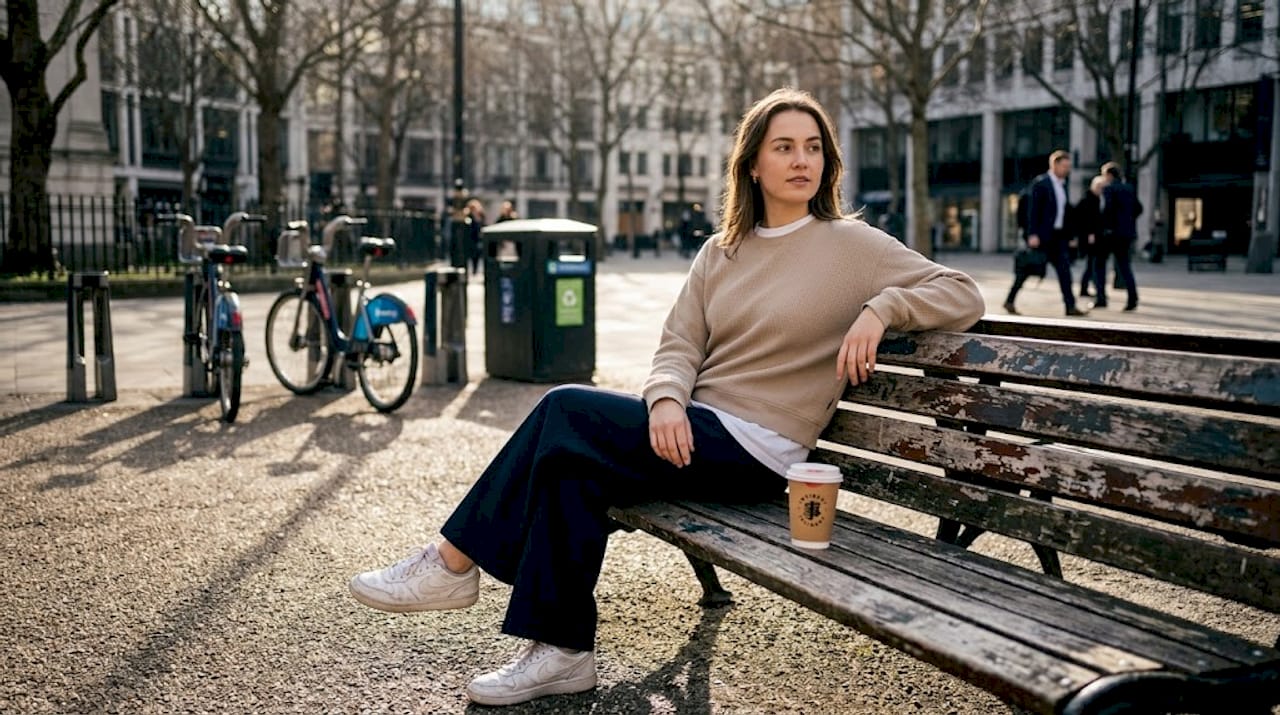
Each of these looks translates effortlessly to European cities. The oversized hoodie and wide-leg trouser pairing works across Copenhagen winters and Barcelona springs with only a mid-layer adjustment. The haori-inspired jacket is the most versatile investment, functioning as both an outer layer and a statement piece.
Useful streetwear styling elements to carry across all these looks include:
- Keeping footwear minimal: clean white trainers or chunky sandals
- Choosing bags with structure: boxy totes or minimal crossbody styles
- Resisting the urge to accessorise heavily. One considered piece is enough.
For seasonal inspiration, our streetwear styling tips offer practical guidance on building these outfits around European occasions.
Pro Tip: Build your Japanese streetwear wardrobe around two or three hero pieces rather than ten mediocre ones. A single beautifully constructed waffle sweatshirt will serve you better than five average hoodies.
Modern bold vs minimalist: Contrasting streetwear directions
Japanese streetwear is not a monolith. Two distinct aesthetic currents run through the global scene, and understanding both helps you make smarter choices for your wardrobe.
Bold Japanese streetwear embraces maximalism. Think BAPE camouflage, vivid graphic prints, layered patterns, and oversized statement logos. This tradition emerged from Harajuku’s playful irreverence and carries real cultural weight. It is expressive, youth-driven, and deliberately attention-seeking.
Minimalist Japanese streetwear moves in the opposite direction. Muted tones, clean lines, fabric-forward design, and a near-total absence of visible branding. This approach draws on the wabi-sabi philosophy of finding beauty in simplicity and imperfection. It ages better, travels more easily across contexts, and tends to reflect a deeper engagement with craft.
“The contrast between bold streetwear traditions like BAPE camo and the sensuous simplicity of minimalist Japanese design reflects a broader truth: Japanese style leads globally through craftsmanship, sustainability, and the courage to prioritise quality over spectacle.” 2026 defining fashion movement
How do you choose between them? Consider three factors:
- Context: Bold pieces demand space and confidence to carry. Minimalist pieces adapt quietly to almost any setting.
- Longevity: Minimalist garments depreciate slower in style terms. A bold BAPE piece from 2020 reads very differently in 2026.
- Sustainability: Both traditions increasingly incorporate recycled fabrics and craftsmanship benchmarks, but minimalist brands tend to lead here, producing fewer pieces with longer lifespans.
The misconception that minimalism is boring, or that bold streetwear is inaccessible, misses the point. Minimalism is actually the harder discipline. It demands better materials and more precise construction because there is nowhere for flaws to hide. Explore how to build a timeless streetwear wardrobe using these principles, or browse unisex minimalist options that bridge both directions elegantly.
How to customise your Japanese streetwear for European life
Japanese streetwear was shaped by Tokyo’s urban rhythms. Adapting it for European cities requires some practical thinking around climate, occasion, and availability.
Layering for changing weather is the single most important skill. European weather is notoriously unpredictable. Build outfits around a strong base layer, a mid-weight piece like a sweatshirt or overshirt, and a lightweight outer that can be removed easily. Japanese streetwear’s love of layering makes this natural rather than forced.
Material choices matter more in Europe than the marketing often suggests:
- Premium cotton: Breathable in summer, layerable in winter. Pima cotton in particular offers exceptional softness and durability.
- Recycled fibres: Increasingly available in Japanese-inspired brands, these align with European sustainability expectations.
- Waffle-knit fabrics: Excellent for mid-layer warmth without bulk, and they hold their shape wash after wash.
- Brushed fleece: A practical choice for northern European winters that still sits within the Japanese streetwear aesthetic.
Budget and accessibility are genuine considerations. Accessible entry points like Uniqlo and GU remain the most practical starting place for European women, offering clean, well-made basics at reasonable price points. From there, moving into niche brands rewards you with better construction and more distinctive design.
Personalisation keeps your wardrobe feeling yours rather than a replica of a Tokyo street style account. Add one interesting accessory: a ceramic ring, a linen scarf, a structured bag in an unexpected tone. Stick to the muted palette for clothing and let one subtle detail carry your personality. Our Japanese fabrics guide covers material choices in more detail, and if you are wondering where to find these pieces in Europe, we have guidance there too.
Pro Tip: Do not try to recreate a Tokyo street style look exactly. The best European interpretations of Japanese streetwear feel native to their city. Let the silhouette and the quality speak for themselves, then add one detail that is entirely you.
The real secret: Why women’s Japanese streetwear wins in Europe
Here is something the trend coverage rarely says plainly: Japanese streetwear’s success in Europe has almost nothing to do with Japan being fashionable right now. It has everything to do with what the clothing does for the women who wear it.
The dominance of oversized silhouettes and layered looks in 2026 reflects a deeper shift. Women are choosing clothing that gives them agency over how they are perceived, rather than clothing that performs for an audience. Japanese minimalism does this better than almost any other tradition. The silhouette is generous, the palette is flexible, and the craft means the garment holds its integrity wash after wash, season after season.
What Tokyo’s street culture has always understood, and what European fashion is only beginning to absorb, is that dressing well is not about standing out. It is about being entirely, comfortably yourself. Explore the Harajuku revolution that started it all and you will see this individualism has always been the foundation. Niche brands achieving 5 to 20% market share through genuine innovation confirms it: quality and authenticity win over hype, every time.
Find your next Japanese-inspired streetwear piece
If this article has sparked something, the next step is simple: find pieces that reflect these values in real, wearable form.

At INCIDENT, we design garments rooted in Japanese minimalism and built for European life. Our Pima T-shirt collection is a natural starting point: ultra-soft, precisely cut, and crafted from premium Pima cotton that holds its shape and colour beautifully. Every piece in our range is designed to layer, travel, and last. If you are ready to invest in streetwear that genuinely rewards you over time, explore the full collection at incident.store and find the pieces that will become the quiet foundation of your wardrobe.
Frequently asked questions
What defines Japanese-inspired women’s streetwear?
It is characterised by oversized silhouettes, minimalist design, quality fabrics, and smart layering, always prioritising subtle details over flashy logos. The emphasis is on how a garment is constructed rather than how loudly it communicates.
Which brands offer good entry points for Japanese streetwear in Europe?
Uniqlo and GU are affordable and widely available entry brands, with quality over logos driving their appeal. Niche European shops like INCIDENT curate more innovative Japanese-inspired collections for those ready to go deeper.
How can I style Japanese streetwear for different seasons?
Layer with lightweight or thermal pieces depending on the weather, focusing on oversized outer layers and simple, adjustable basics. The key is building outfits with a flexible base rather than committing to a single-season piece.
What is the difference between bold and minimalist streetwear?
Bold streetwear features statement prints and eye-catching colours, while minimalist style focuses on muted palettes and refined cuts. Both traditions carry genuine cultural value, but they serve very different style intentions.
How can I personalise Japanese streetwear to my own style?
Start with key silhouettes and layer in one considered accessory or subtle texture, emphasising fit and unique fabric choices for a European twist. Restraint is the technique: let one personal detail do all the work.
Recommended
- Understanding streetwear hype: Japanese style’s rise in 2026 – INCIDENT
- Harajuku Streetwear: The Japanese Fashion Revolution | Incident Store - INCIDENT
- Master streetwear trends in 2026: Your complete guide – INCIDENT
- Top 5 Limited Edition Streetwear 2026 – INCIDENT
- How Hip Hop Style is Shaping Fashion Trends in 2025 – Stevie The Manager aka Stangr The Man



Share:
Express individuality through minimalist Japanese streetwear
Fashion innovation: Japanese streetwear to quiet luxury