

Walking into a Japanese streetwear community without knowing the lingo is like trying to read a fashion magazine in another language. You might recognize the brands and admire the fits, but you miss the deeper conversations, the cultural context, and the insider knowledge that separates true enthusiasts from casual observers. Japanese streetwear terminology is more than vocabulary, it’s a gateway to understanding decades of fashion evolution, trading culture, and the artistic philosophy that makes this scene so compelling. This guide decodes essential terms, acronyms, and cultural nuances so you can navigate Japanese streetwear with confidence and authenticity.
Table of Contents
- Key takeaways
- Understanding Urahara: the heart of Japanese streetwear
- Decoding essential Japanese streetwear trading acronyms
- Harajuku substyles and their unique streetwear terms
- Japanese streetwear’s cultural nuances: quality, storytelling, and world building
- Explore authentic Japanese streetwear styles at INCIDENT
- FAQ
Key Takeaways
| Point | Details |
|---|---|
| Urahara Roots | Urahara refers to the backstreets of Harajuku that defined 1990s streetwear with a culture of exclusivity and curated boutique experiences. |
| Limited Drops | Limited drops create scarcity and foster a community built around shared aesthetics and personal connections. |
| Trading Acronyms | Trading acronyms such as WTB WTS WTT BIN ONO Cop and Flipping streamline negotiations and show clear buyer or seller intent. |
| Authenticity Signals | Authenticity is signaled by limited runs, quality materials, collaborative details, and emphasis on craft over logos. |
Understanding Urahara: the heart of Japanese streetwear
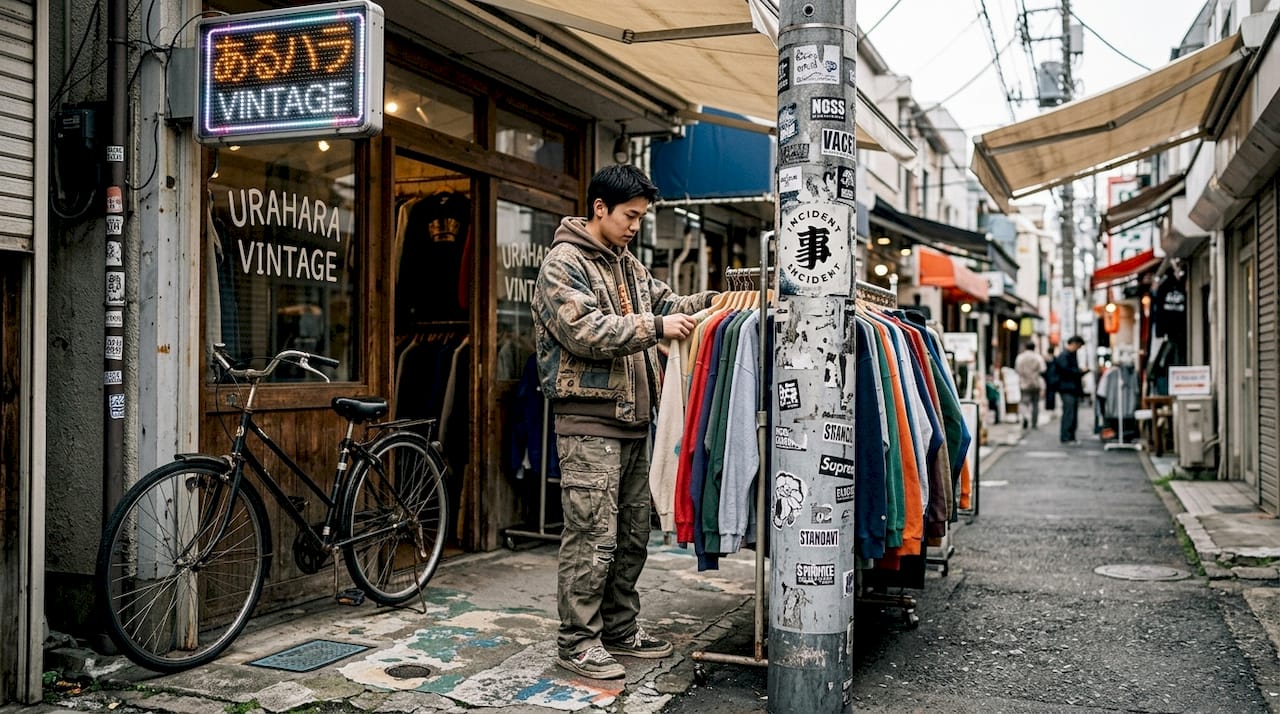
The term Urahara refers to the backstreets of Harajuku, the geographic and cultural birthplace of 1990s Japanese streetwear. While tourists flock to the main Takeshita Street for its colorful chaos, true streetwear enthusiasts know that the real magic happens in the narrow side streets and hidden boutiques that define Ura Harajuku. This area became synonymous with a specific approach to fashion: limited releases, carefully curated boutique experiences, and an insider scene that valued exclusivity and cultural knowledge over mainstream accessibility.
The Urahara style emerged as a direct response to mass market fashion, creating a counter culture where small production runs and personal relationships between shop owners and customers mattered more than commercial scale. Brands like BAPE, Undercover, and WTAPS built their reputations in these backstreets, establishing the blueprint for what would become globally recognized Japanese streetwear. These boutiques didn’t just sell clothes, they created experiences, dropping limited quantities that sold out within hours and building communities around shared aesthetic values.
What makes Urahara terminology essential is how it signals authenticity in streetwear conversations. When someone references Urahara roots, they’re invoking a specific heritage of quality, creativity, and cultural resistance to fashion conformity. The Harajuku streetwear revolution transformed global fashion by proving that small scale, culturally grounded design could compete with and eventually influence major international brands.
Key characteristics of Urahara culture include:
- Limited edition drops that create scarcity and collectibility
- Boutique shopping experiences emphasizing personal service and community
- Fusion of American streetwear influences with Japanese design sensibility
- Emphasis on quality materials and construction over logo prominence
- Cultural storytelling through brand narratives and seasonal themes
Pro Tip: When evaluating Japanese streetwear pieces, look for production details that reflect Urahara values like unique fabric treatments, limited run numbers, or collaborative design elements. These markers indicate authentic heritage rather than mass market imitations.
Decoding essential Japanese streetwear trading acronyms
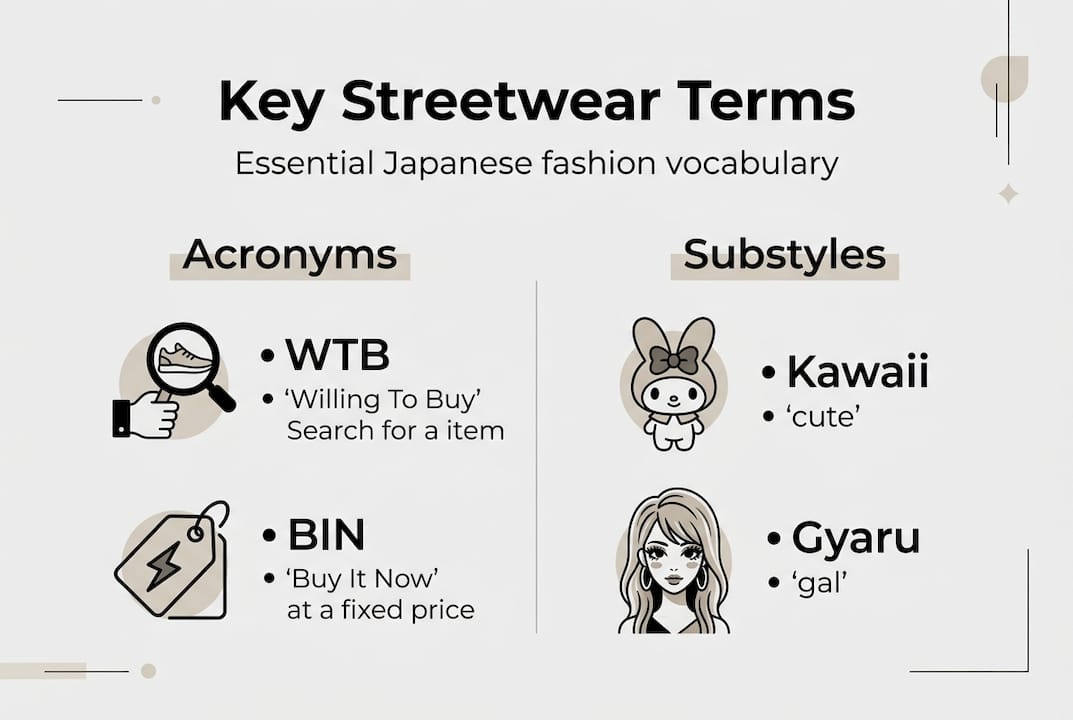
Navigating streetwear marketplaces requires fluency in a specific set of trading acronyms that streamline communication between buyers and sellers. These terms evolved from online forums and social media groups where brevity and clarity became essential for fast moving transactions. Streetwear trading acronyms like WTB (Want To Buy), WTS (Want To Sell), WTT (Want To Trade), BIN (Buy It Now), ONO (Or Nearest Offer), Cop (to buy), and Flipping (resell for profit) form the basic vocabulary of marketplace conversations.
Understanding these acronyms transforms how you participate in streetwear communities. When someone posts “WTB BAPE shark hoodie size M, budget $800,” they’re signaling specific intent, budget constraints, and desired specifications in just a few words. Similarly, “WTS Undercover tee, BIN $200 ONO” communicates that the seller has set a fixed price but remains open to reasonable negotiations. This efficiency matters in a market where desirable pieces can sell within minutes of being listed.
The term “cop” deserves special attention because it carries cultural weight beyond simple purchasing. To cop something means you successfully acquired a highly desired piece, often through persistence, insider knowledge, or quick reflexes during a limited drop. It’s a term of achievement in streetwear circles. Conversely, “flipping” refers to buying items specifically to resell them at higher prices, a practice that generates controversy within communities that value genuine appreciation over profit motive.
Common marketplace scenarios using this terminology:
- Research current market prices for the item you want using sold listings and community price checks
- Post your WTB with specific details like size, condition preferences, and budget range
- When sellers respond, verify authenticity through detailed photos and provenance documentation
- Negotiate using ONO if the BIN price exceeds your budget, offering fair market value
- Complete transactions through secure payment methods and request tracking for shipped items
Additional useful trading terms include:
- DS (Deadstock): Brand new, unworn condition with original packaging
- VNDS (Very Near Deadstock): Minimal wear, nearly new condition
- PADS (Pass As Deadstock): Lightly worn but appears new
- Grails: Holy grail items, the most desired pieces in someone’s collection
- Beaters: Well worn items, valued for functionality over pristine condition
Mastering this vocabulary lets you communicate efficiently and signals that you understand Japanese streetwear hype culture and marketplace norms. It also protects you from misunderstandings that could lead to disputes or unsatisfactory transactions.
Harajuku substyles and their unique streetwear terms
Harajuku’s fashion diversity spawned multiple distinct substyles, each with its own aesthetic philosophy, terminology, and cultural significance. Harajuku substyles including Kawaii (cute), Lolita/Gothic Lolita, Gyaru, Visual Kei, and Decora (accessory heavy) represent different approaches to self expression through fashion. Understanding these categories helps you appreciate the breadth of Japanese street fashion and communicate precisely about style preferences.
Kawaii culture emphasizes childlike cuteness through pastel colors, cartoon characters, and playful accessories. This aesthetic extends beyond clothing into lifestyle choices, reflecting a broader Japanese cultural appreciation for innocence and charm. Lolita fashion, despite its name, draws inspiration from Victorian and Rococo clothing with elaborate dresses, petticoats, and accessories. Gothic Lolita adds darker color palettes and themes while maintaining the same structural elements.
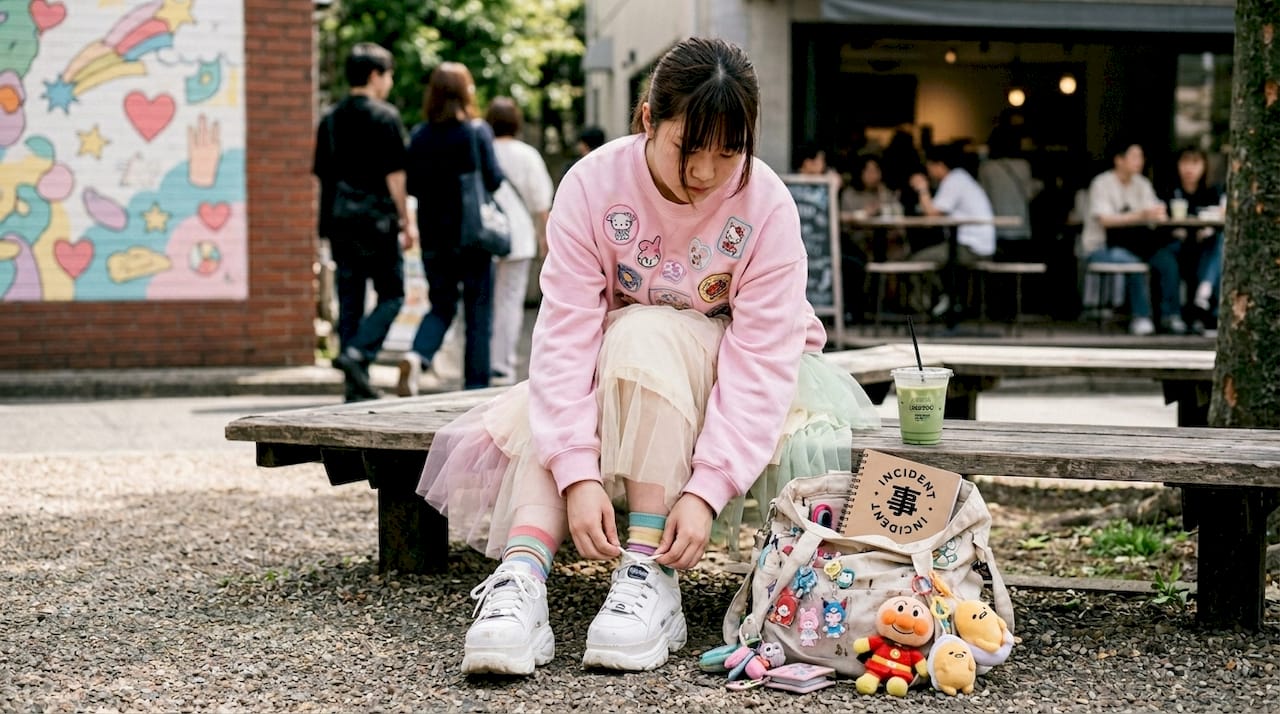
Gyaru represents a rebellion against traditional Japanese beauty standards, featuring tanned skin, dramatic makeup, and bold fashion choices that challenged conservative social norms. Visual Kei emerged from Japanese rock music culture, combining androgynous styling, dramatic makeup, and elaborate costumes that blur gender boundaries. Decora takes maximalism to extremes, layering dozens of accessories, bright colors, and playful elements to create visually overwhelming but carefully constructed looks.
| Substyle | Key characteristics | Signature items | Typical occasions |
|---|---|---|---|
| Kawaii | Pastel colors, cartoon motifs, playful innocence | Character bags, oversized sweaters, platform shoes | Casual outings, themed cafes, social gatherings |
| Lolita | Victorian inspired, modest silhouettes, elaborate details | Petticoats, lace blouses, bonnets, Mary Jane shoes | Tea parties, conventions, formal meetups |
| Gyaru | Tanned skin, bold makeup, glamorous styling | Platform boots, mini skirts, statement jewelry | Nightlife, fashion events, social scenes |
| Visual Kei | Androgynous looks, dramatic makeup, rock aesthetics | Leather jackets, studded accessories, bold hairstyles | Concerts, club events, artistic gatherings |
| Decora | Maximum accessories, rainbow colors, layered looks | Hair clips, bracelets, colorful tights, character pins | Street fashion, creative events, photo sessions |
Each substyle features distinctive accessories and motifs:
- Kawaii: Character mascots, pastel hair accessories, cute bags shaped like animals or food
- Lolita: Parasols, wrist cuffs, cameo brooches, elaborate headpieces
- Gyaru: False eyelashes, decorative nails, designer inspired accessories
- Visual Kei: Chokers, crosses, chains, dramatic eye makeup
- Decora: Dozens of hair clips, stacked bracelets, colorful leg warmers, toy accessories
Knowing these substyle terms helps you curate unique Japanese streetwear styles that reflect authentic cultural understanding rather than surface level appropriation. It also enables precise communication when discussing fashion influences, seeking specific items, or explaining your personal aesthetic to others in the community.
Japanese streetwear’s cultural nuances: quality, storytelling, and world building
What separates Japanese streetwear from Western counterparts goes deeper than aesthetic differences. Japanese streetwear emphasizes limited drops and collaborations (kolabo) over mass production, contrasting Western logo heavy hypebeast styles by prioritizing quality, detail, and cultural fusion. This philosophy reflects broader Japanese cultural values like wabi sabi, the appreciation of imperfection and impermanence that informs design choices favoring natural materials, subtle details, and items that age gracefully.
The concept of limited releases serves multiple purposes beyond creating scarcity. It allows brands to maintain quality control, experiment with innovative designs without massive financial risk, and build communities of dedicated followers rather than transient consumers. When a Japanese streetwear brand announces a drop of 500 pieces, that constraint becomes part of the item’s story and value. Collectors understand that owning one of those pieces means joining an exclusive group that shares appreciation for the brand’s vision.
Urahara brands like BAPE created world building via motifs and storytelling, turning clothing into collectibles with high resale value. The shark hoodie didn’t just become popular because of its design, it succeeded because BAPE built an entire narrative around the piece, creating cultural significance that transcended the garment itself.
This storytelling approach manifests in seasonal themes, collaborative projects with artists and musicians, and consistent visual motifs that develop meaning over time. Brands like Neighborhood, WTAPS, and Visvim don’t just design clothes, they construct entire aesthetic universes with their own internal logic, references, and evolution. Understanding these narratives helps collectors appreciate why certain pieces command premium prices and how brand identity in streetwear functions differently than in mainstream fashion.
Cultural fusion represents another essential element of Japanese streetwear philosophy. Rather than simply copying American workwear or military aesthetics, Japanese designers reinterpret these influences through their own cultural lens. This creates hybrid garments that feel simultaneously familiar and novel, combining Western silhouettes with Japanese construction techniques, fabric treatments, and design sensibilities. The result is clothing that transcends simple categorization and creates new aesthetic possibilities.
The emphasis on quality manifests in several ways:
- Fabric selection prioritizing natural fibers, unique textures, and durability
- Construction techniques like flat felled seams, reinforced stress points, and hand finished details
- Attention to fit and proportion that considers how garments drape and move
- Hardware choices using premium zippers, buttons, and fasteners that enhance longevity
- Design details that reveal themselves over time through wear and observation
Pro Tip: When evaluating Japanese streetwear authenticity, examine construction details like seam finishing, fabric weight, and hardware quality. Authentic pieces from established brands demonstrate high quality Japanese garments through these tangible markers rather than relying solely on logo prominence or hype.
Explore authentic Japanese streetwear styles at INCIDENT
Now that you understand the terminology, cultural context, and values that define Japanese streetwear, you’re ready to apply this knowledge to your own style evolution. INCIDENT brings premium Japanese inspired streetwear to a global audience, offering carefully curated pieces that embody the quality craftsmanship and minimalist aesthetics central to Japanese fashion philosophy.
Our collections feature PIMA cotton oversized t-shirts and garments designed with the same attention to detail and cultural awareness you’ve learned about in this guide. Each piece reflects the Japandi influenced design philosophy that prioritizes clean lines, subtle details, and premium materials over flashy logos or trend chasing. When you shop at INCIDENT, you’re not just buying clothes, you’re investing in garments that honor the storytelling tradition and quality standards that make Japanese streetwear exceptional. Explore our collection and discover how authentic design principles translate into pieces you’ll value for years.
FAQ
What is Urahara in Japanese streetwear?
Urahara refers to the backstreets of Harajuku where 1990s Japanese streetwear culture originated. This area became famous for limited edition drops, boutique shopping experiences, and brands like BAPE and Undercover that revolutionized streetwear globally. The term signals authentic Japanese streetwear heritage focused on quality and cultural storytelling rather than mass market production.
What do acronyms like WTB and BIN mean in streetwear trading?
WTB means Want To Buy, signaling you’re looking to purchase a specific item. BIN stands for Buy It Now, indicating a fixed price the seller will accept immediately. Other common terms include WTS (Want To Sell), WTT (Want To Trade), ONO (Or Nearest Offer), and DS (Deadstock for brand new condition). These acronyms streamline marketplace communication and help transactions happen efficiently.
How do Harajuku substyles differ in fashion?
Harajuku substyles like Kawaii, Lolita, Gyaru, Visual Kei, and Decora each express distinct aesthetic philosophies. Kawaii emphasizes cute, playful elements with pastel colors. Lolita draws from Victorian fashion with elaborate dresses and modest silhouettes. Gyaru challenges traditional beauty standards with bold makeup and tanned skin. Visual Kei combines androgynous rock aesthetics with dramatic styling. Decora maximizes accessories and bright colors for visually intense looks.
Why is storytelling important in Japanese streetwear brands?
Storytelling transforms clothing from functional items into collectibles with cultural significance and emotional resonance. Japanese brands use seasonal themes, consistent motifs, and collaborative narratives to build worlds around their designs. This approach creates deeper connections between brands and customers, justifies premium pricing through added meaning, and establishes long term brand loyalty. Pieces become part of larger narratives that collectors want to participate in and preserve.
What makes Japanese streetwear different from Western styles?
Japanese streetwear prioritizes limited releases, quality craftsmanship, and cultural fusion over mass production and logo prominence. Brands emphasize subtle details, premium materials, and garments that age gracefully rather than disposable trend pieces. The influence of concepts like wabi sabi creates appreciation for imperfection and natural wear. Japanese designers also reinterpret Western influences through their own cultural lens, creating hybrid aesthetics that feel simultaneously familiar and innovative.

Share:
What are Japanese-inspired prints? A fashion guide
6 must-know Japanese fashion icons shaping global style