


Japanese clothing symbols carry meanings that run deeper than their striking visual appeal. Understanding these motifs transforms how you experience contemporary streetwear, revealing layers of cultural significance woven into every pattern. From the flowing waves of seigaiha to the delicate petals of cherry blossoms, each symbol tells a story rooted in centuries of tradition. This guide explores seven iconic Japanese patterns that define modern fashion, showing you how to recognize their meanings and incorporate them into your personal style with confidence and cultural awareness.
Table of Contents
- Key takeaways
- Criteria for understanding Japanese symbolism in clothing
- Seven iconic Japanese symbols in clothing and their meanings
- Comparing symbolic impact and modern fashion usage
- How to incorporate Japanese symbolism in your streetwear wardrobe
- Discover authentic Japanese streetwear at INCIDENT
- Frequently asked questions
Key Takeaways
| Point | Details |
|---|---|
| Seven iconic motifs | The article centers on seven patterns that define Japanese symbolism in contemporary clothing. |
| Cultural meanings | Each motif conveys values like longevity, prosperity, or harmony tied to traditional contexts. |
| Modern streetwear fusion | Modern fashion blends traditional motifs with contemporary silhouettes, expanding their appeal. |
| Pop culture boost | Anime and manga have boosted global recognition of select symbols. |
| Guided styling decisions | Understanding symbolism helps choose patterns that align with your values and wardrobe. |
Criteria for understanding Japanese symbolism in clothing
Interpreting Japanese clothing patterns requires examining their cultural and historical roots alongside their modern transformations. Each symbol originated in specific contexts, from religious ceremonies to seasonal celebrations, carrying meanings that evolved over centuries. Traditional interpretations provide the foundation, but contemporary fashion often prioritizes aesthetic impact over strict adherence to historical significance.
Modern streetwear scenes like Harajuku demonstrate how designers blend traditional motifs with functional silhouettes and subculture elements. In modern streetwear, symbolism often prioritizes aesthetic impact over strict traditional meanings, allowing edgy or casual adaptations while retaining cultural depth for fashion enthusiasts. This fusion creates space for personal expression while honoring cultural heritage.
Pop culture, particularly anime and manga, has dramatically influenced which patterns gain traction globally. Characters wearing specific motifs introduce these symbols to international audiences, creating new associations that complement traditional meanings. This cross-pollination between media and fashion accelerates trend cycles and broadens symbolic vocabulary.
When evaluating Japanese clothing symbols, consider these essential criteria:
- Cultural origin and historical context: Research the symbol’s roots in Japanese tradition, including religious, seasonal, or social significance.
- Traditional meaning and symbolism: Understand the core values the pattern represents, such as longevity, prosperity, or protection.
- Visual characteristics and recognition: Identify the pattern’s distinctive elements that make it recognizable across different garments.
- Modern adaptation and usage: Observe how contemporary designers reinterpret the motif in streetwear, techwear, or luxury fashion.
- Personal resonance and style alignment: Choose symbols that reflect your values and complement your existing wardrobe aesthetic.
Key factors that enhance symbolic appreciation include:
- Understanding the seasonal associations of patterns like cherry blossoms or waves
- Recognizing how color variations alter traditional meanings
- Identifying authentic representations versus simplified adaptations
- Appreciating the craftsmanship behind pattern placement and scale
Pro Tip: Start with one or two patterns that genuinely resonate with your personal story or aesthetic goals. Authentic style comes from meaningful connections, not trend chasing. Explore kimono-inspired clothing to see how traditional patterns translate into wearable contemporary pieces.
Seven iconic Japanese symbols in clothing and their meanings
These seven patterns form the foundation of Japanese symbolic expression in fashion, each carrying distinct cultural weight and visual identity. Understanding their meanings enriches your appreciation of garments featuring these motifs and guides thoughtful styling choices.
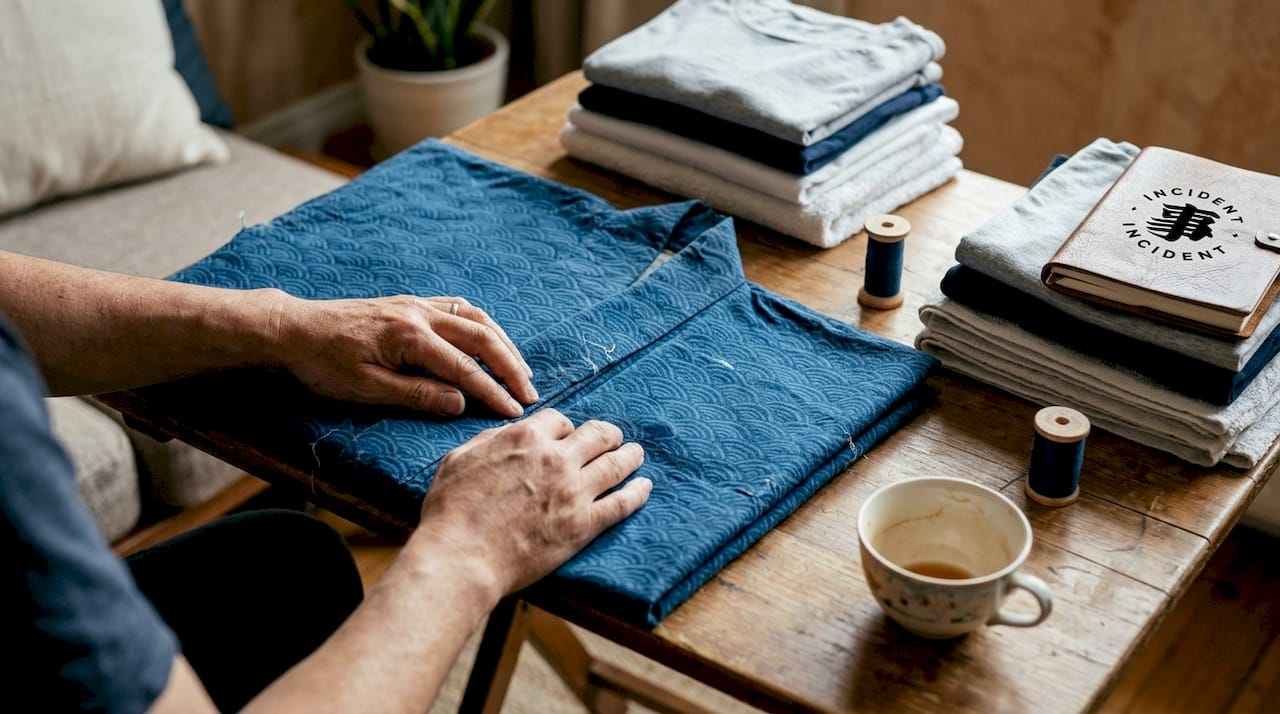
Seigaiha (Blue Ocean Waves): This pattern of layered concentric circles mimics endless ocean waves. Seigaiha symbolizes peace, resilience, prosperity, and eternity, making it popular in casual streetwear for its fluid, calming aesthetic. The repetitive wave structure creates visual rhythm that works beautifully on oversized tees, hoodies, and accessories. Modern designers often use seigaiha in monochrome colorways or unexpected placements to maintain its meditative quality while fitting contemporary silhouettes.
Asanoha (Hemp Leaf): Featuring interlocking geometric stars, asanoha creates striking visual impact through its angular precision. Asanoha represents growth, strength, and healthy development, traditionally used in children’s clothing to wish for robust health. Anime characters frequently wear asanoha patterns, catapulting this motif into global youth fashion. The geometric nature makes it ideal for graphic tees, bomber jackets, and accessories that demand attention. Its association with growth resonates particularly with younger audiences building their personal style.
Kikkō (Tortoiseshell Hexagon): This honeycomb-like hexagonal pattern draws inspiration from tortoise shells, creatures revered for their longevity. Kikkō symbolizes longevity, good fortune, and protection, offering both visual elegance and deep symbolic meaning. The geometric precision of kikkō makes it versatile across garment types, from structured jackets to flowing fabrics. Premium brands often feature kikkō in embroidered details or subtle prints that signal sophistication and cultural knowledge.
Ichimatsu (Checkerboard): Simple yet powerful, ichimatsu alternates colored squares in an endless grid. Ichimatsu symbolizes eternal prosperity and flourishing business, making it a favorite among entrepreneurs and creatives. Pop culture references, particularly in anime and gaming, have amplified its recognition among urban fashion communities. The pattern’s bold simplicity allows for creative color combinations and scale variations, appearing on everything from socks to statement outerwear. Check out how Harajuku streetwear incorporates ichimatsu into rebellious, youth-driven styles.
Shippo (Seven Treasures): This pattern of overlapping circles creates flower-like shapes representing the seven treasures of Buddhism. Shippo symbolizes harmony, spiritual wealth, and the interconnectedness of all things, adding philosophical depth to garments. The interlocking circles create elegant, flowing designs that work beautifully in both traditional and modern contexts. Contemporary designers use shippo in subtle embroidery or bold all-over prints, depending on the desired impact. Understanding wagara patterns reveals how shippo connects to broader Japanese aesthetic principles.
Sakura (Cherry Blossoms): Perhaps the most internationally recognized Japanese symbol, cherry blossoms evoke powerful emotional responses. Cherry blossoms represent fleeting beauty, transience of life, and new beginnings, capturing the poignant philosophy of mono no aware. Seasonal collections often feature sakura during spring, but year-round appreciation has made it a streetwear staple. The delicate petals contrast beautifully with urban silhouettes, creating tension between soft symbolism and hard edges. Explore hanami streetwear styling for seasonal outfit inspiration featuring cherry blossom motifs.
Tsuru (Cranes): Elegant and graceful, crane imagery carries profound significance in Japanese culture. Cranes symbolize longevity, good fortune, and marital fidelity, making them popular in celebratory and formal contexts. The bird’s distinctive silhouette translates beautifully into embroidery, prints, and graphic designs. Modern streetwear often features cranes in flight or stylized forms that maintain their majestic presence while fitting contemporary aesthetics. Crane motifs appear frequently in classic streetwear styles that balance tradition with urban edge.
Comparing symbolic impact and modern fashion usage
Understanding how these symbols compare helps you make informed choices about which patterns align with your style goals and cultural interests. Each motif carries different weight in traditional contexts and contemporary fashion scenes.
| Symbol | Traditional weight | Pop culture boost | Primary fashion context | Styling versatility |
|---|---|---|---|---|
| Seigaiha | Medium | Low | Casual streetwear, accessories | High |
| Asanoha | High | Very high | Youth fashion, graphic tees | Very high |
| Kikkō | Very high | Low | Elegant styles, premium pieces | Medium |
| Ichimatsu | Medium | Very high | Urban fashion, statement pieces | Very high |
| Shippo | High | Low | Spiritual/premium collections | Medium |
| Sakura | Very high | Medium | Seasonal wear, romantic styles | High |
| Tsuru | Very high | Medium | Formal wear, statement pieces | Medium |
Patterns like Asanoha and Ichimatsu gained pop culture boost via anime, increasing their use in global streetwear among youth. This media influence creates new entry points for cultural appreciation, though some purists debate whether popularization dilutes traditional meanings. The reality is that cultural evolution includes both preservation and adaptation.
When selecting symbolic patterns for your wardrobe, consider these practical factors:
- Personal values alignment: Choose symbols whose meanings resonate with your life philosophy or aspirations
- Existing wardrobe compatibility: Ensure new pieces complement your current style rather than creating disconnection
- Occasion appropriateness: Some patterns work better for casual settings, while others suit formal or celebratory contexts
- Visual impact preference: Decide whether you want subtle elegance or bold statement pieces
Seigaiha and ichimatsu offer the highest styling versatility due to their geometric simplicity and neutral symbolic associations. They integrate seamlessly into various outfit formulas without overwhelming other elements. Asanoha’s angular dynamism creates strong visual statements perfect for those wanting their clothing to spark conversation.
Kikkō and tsuru carry deeper traditional weight, making them ideal for fashion enthusiasts who prioritize cultural authenticity and sophisticated aesthetics. These patterns signal knowledge and appreciation of Japanese heritage. Sakura’s romantic associations make it perfect for seasonal transitions and softer style expressions.
Pro Tip: Mix patterns with different visual weights to create depth without chaos. Pair a bold asanoha graphic tee with subtle kikkō accessories, or layer a sakura print under a solid crane-embroidered jacket. Understanding streetwear trends helps you balance traditional symbols with contemporary silhouettes.
How to incorporate Japanese symbolism in your streetwear wardrobe
Successfully integrating Japanese symbolic patterns requires balancing cultural respect with personal style expression. Start by identifying which symbols genuinely resonate with your values or aesthetic preferences rather than simply following trends. Authentic style emerges from meaningful connections, not surface-level appropriation.
Mix traditional motifs with modern silhouettes to create fresh interpretations that honor heritage while embracing contemporary fashion. Contemporary adaptation involves blending with workwear, techwear, or subculture elements like those seen in Harajuku, prioritizing function and silhouette alongside symbolism. This approach prevents costumey appearances and maintains streetwear’s urban edge.
Statement pieces featuring bold symbolic patterns work best when surrounded by neutral basics. A crane-embroidered bomber jacket becomes the focal point over a simple black tee and dark denim. Conversely, subtle pattern details like asanoha socks or a seigaiha cap add cultural depth without dominating your outfit. This balance maintains visual hierarchy while showcasing your appreciation for Japanese aesthetics.
Practical styling strategies include:
- Layering symbolic pieces: Place patterned items at different visual levels, like an ichimatsu shirt under a solid jacket with sakura embroidery
- Color coordination: Match pattern colors to other outfit elements for cohesion, or use contrasting hues for dynamic tension
- Texture mixing: Combine smooth prints with textured fabrics to add dimensional interest
- Accessory accents: Introduce symbols through smaller items like bags, hats, or jewelry before committing to larger garments
- Seasonal rotation: Align patterns with their traditional seasonal associations for culturally informed styling
Explore how Harajuku fashion pushes boundaries by mixing multiple patterns and subcultures, creating maximalist looks that celebrate cultural fusion. This approach works for bold personalities comfortable with attention-grabbing outfits. Alternatively, minimalist interpretations focus on single statement pieces that let the symbolism speak clearly.
Building a symbolic wardrobe takes time and intentionality. Start with versatile pieces in patterns you genuinely connect with, then expand as you develop your understanding and confidence. Limited-edition collections and brand collaborations often feature unique takes on traditional symbols, offering fresh perspectives that stand out from mass-market options. If you’re in Switzerland, discover where to buy Japanese streetwear locally or through curated online retailers.
Pro Tip: Research the specific cultural context of patterns before wearing them to significant events. While most symbols work for everyday fashion, some carry ceremonial or formal connotations that deserve respectful consideration. This cultural awareness elevates your style from trendy to truly informed.
Discover authentic Japanese streetwear at INCIDENT
Ready to bring these iconic symbols into your wardrobe? INCIDENT offers carefully curated Japanese-inspired streetwear that honors traditional symbolism while embracing contemporary design principles. Our collections feature premium fabrics and minimalist silhouettes that let cultural motifs shine without overwhelming your personal style.

Explore our clothing collection featuring pieces that blend Japanese aesthetics with Swiss craftsmanship. From subtle pattern details to bold statement garments, each item reflects our commitment to quality and cultural authenticity. Our cherry blossom collection captures the delicate beauty of sakura in wearable designs perfect for any season.
Discover how traditional Japanese symbolism translates into modern streetwear at INCIDENT. We design for fashion enthusiasts who appreciate cultural depth and contemporary style in equal measure.
Frequently asked questions
What does seigaiha symbolize in Japanese clothing?
Seigaiha symbolizes peace, resilience, boundless opportunities, prosperity, and eternity. The layered wave pattern creates a calming visual rhythm that works beautifully in casual streetwear. Modern designers favor seigaiha for its fluid aesthetic and positive associations, making it popular in everything from graphic tees to accessories.
How has anime influenced Japanese symbolism in streetwear?
Anime dramatically amplified certain patterns’ global recognition, particularly among younger audiences. Patterns like Asanoha and Ichimatsu gained pop culture boost via anime, increasing their use in global streetwear for youth audiences. Characters wearing these motifs introduce international fans to Japanese symbols, creating new cultural entry points. This media influence has made traditional patterns feel fresh and relevant to contemporary fashion.
What are some tips for styling clothing with Japanese symbols?
Balance bold symbolic patterns with neutral basics to maintain visual hierarchy and prevent overwhelming your outfit. Start with one statement piece featuring your chosen motif, then build around it with solid colors or subtle textures. Mix different patterns carefully by varying their scale and visual weight. Limited-edition collections offer unique interpretations that help you stand out while showing cultural appreciation.
Which Japanese pattern is best for beginners?
Seigaiha and ichimatsu offer the easiest entry points due to their geometric simplicity and high versatility. These patterns integrate seamlessly into various styles without requiring extensive cultural knowledge to wear confidently. Their neutral symbolic associations work for multiple occasions, from casual hangouts to creative professional settings. Start with accessories or smaller garments to test how these patterns fit your existing wardrobe before investing in larger statement pieces.
Can you mix multiple Japanese patterns in one outfit?
Yes, but it requires careful consideration of scale, color, and visual weight. Harajuku street fashion demonstrates how mixing multiple patterns creates dynamic, expressive looks that celebrate cultural fusion. Keep one pattern as the dominant focal point while using others as subtle accents through accessories or layering. Ensure patterns share complementary colors or similar line weights to maintain cohesion. This advanced styling technique works best once you understand each symbol’s individual character and traditional context.


Share:
Defining high-quality garments in Japanese streetwear
Japanese fabrics guide: premium minimalist streetwear