

TL;DR:
- Modern urban style emphasizes relaxed silhouettes, neutral color palettes, and thoughtful layering built on cultural roots. Styles like Urbano and minimalist streetwear prioritize simplicity, quality fabrics, and subtle branding for versatile city wear. Choosing a style aligned with one’s environment and personal comfort ensures authentic and enduring urban fashion choices.
Whether you’re scrolling through lookbooks or walking city streets, the sheer number of modern urban styles competing for your attention can feel genuinely overwhelming. This guide cuts through the noise. From explaining modern urban style fundamentals to mapping out trending city aesthetics you can actually build a wardrobe around, what follows is a curated list of modern urban styles worth knowing. Each one carries its own distinct personality, cultural roots, and styling logic. Understanding those differences is what separates someone who follows trends from someone who owns them.
Table of Contents
- Key takeaways
- What defines a modern urban style
- 1. Urbano fashion
- 2. Minimalist streetwear
- 3. Urban chic
- 4. Techwear
- 5. Harajuku and Japanese street style
- 6. Gorpcore
- 7. Contemporary workwear
- 8. Normcore
- 9. Streetwear luxe
- 10. Monochrome urbanism
- 11. Utility wear
- Comparing modern urban styles at a glance
- How to choose the right urban style for your lifestyle
- My honest take on modern urban style in 2026
- Dress the city in Incident’s Japanese streetwear
- FAQ
Key takeaways
| Point | Details |
|---|---|
| Urban styles share core principles | Silhouette, colour palette, layering, and fabric quality define and separate most modern urban aesthetics. |
| Urbano leads the minimalist shift | Oversized neutral pieces and refined layering make Urbano the most accessible and wearable urban style right now. |
| Japanese minimalism shapes the future | Neutral tones, clean lines, and considered fit reflect the growing influence of Japanese streetwear on global urban fashion. |
| Mixing styles creates personal identity | The most memorable city dressers borrow deliberately across aesthetics rather than committing to one wholesale. |
| Occasion and climate matter as much as taste | Choosing your style is as much about your environment and lifestyle as it is about what you find visually appealing. |
What defines a modern urban style
Before exploring the full list of modern urban styles, it helps to understand what actually makes a style “urban” in the contemporary sense. The word gets thrown around loosely, so a working framework is useful here.
Modern urban design in fashion is built on a few recurring pillars. Silhouette is the first. Most popular urban styles today favour relaxed, considered cuts over fitted or tailored ones. Oversized silhouettes dominate modern urban fashion, with boxy tees, wide-leg trousers, and generous hoodies appearing across nearly every subgenre.
Colour palette is the second pillar. Contemporary urban aesthetics are increasingly drawn toward restraint. Blacks, greys, whites, and earthy neutrals create the visual coherence that makes urban outfits feel intentional rather than assembled. Japanese minimalist inspiration, in particular, has pushed neutral and monochrome palettes to the forefront of streetwear culture.
Layering is the third. It adds depth, functionality, and the kind of visual interest that transforms a plain outfit into something worth photographing. Layering is central to urban style, with denim overshirts, lightweight jackets, and longline coats doing the heavy lifting across seasons.
The remaining elements to consider when evaluating any urban style are:
- Fabric quality and texture: Premium materials signal craftsmanship. In many Japanese-influenced styles, the fabric is the statement.
- Footwear: Statement sneakers often anchor the entire outfit, from chunky high-tops to pared-back minimal trainers.
- Cultural roots: Every urban style carries a lineage. Understanding where a style came from helps you wear it with authenticity rather than imitation.
- Styling flexibility: The best urban styles translate across contexts, from weekend errands to creative workplaces.
Pro Tip: When blending urban styles, choose one style as your foundation and borrow a single element from another. Mixing two full aesthetics usually reads as confused rather than creative.
1. Urbano fashion
Urbano is arguably the most talked-about entry on any current list of modern urban styles, and for good reason. It threads a needle that many aesthetics miss: it feels relaxed without looking careless, and refined without feeling precious.
The defining characteristic of Urbano is its blend of oversized silhouettes, sleek monochromes, and neutral palettes. Think loose-fit cargo trousers paired with a boxy tee, an unstructured overshirt layered on top, and clean minimal sneakers beneath. The palette rarely strays far from black, grey, beige, olive, or navy. Nothing competes. Everything coheres.
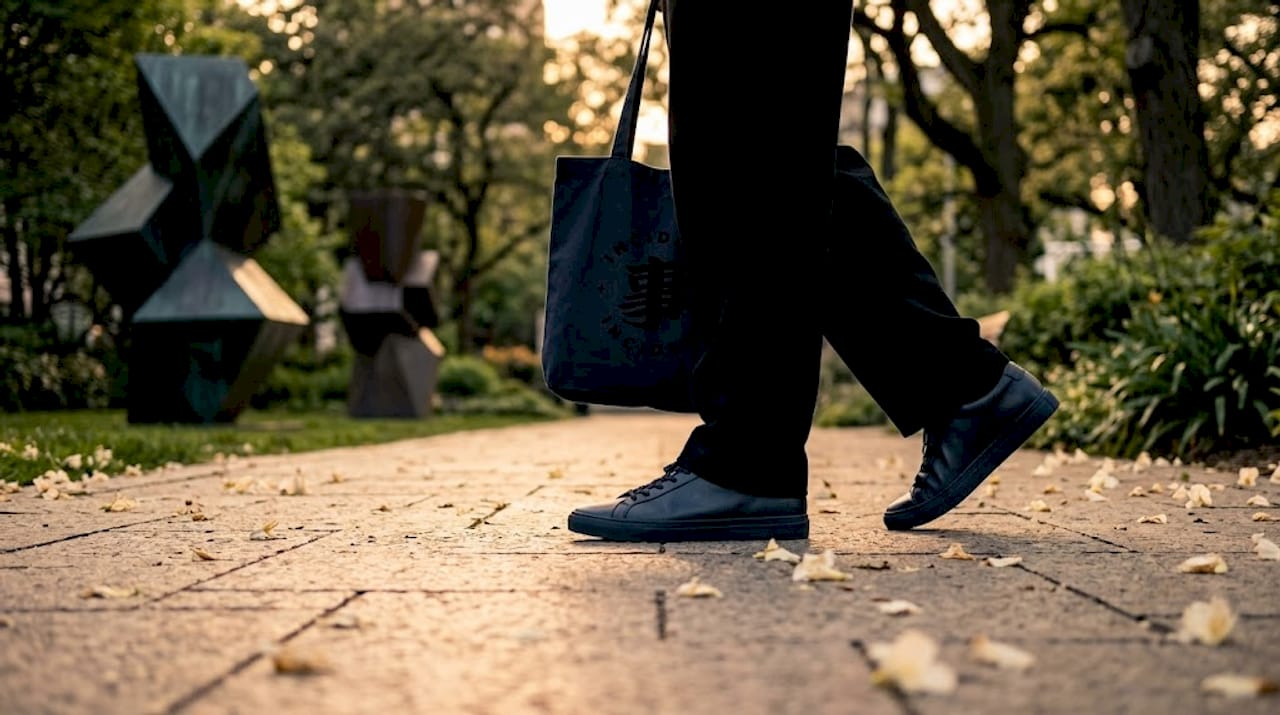
What separates Urbano from traditional streetwear is its deliberate restraint. Where classic streetwear leans into bold logos, graphic prints, and vivid colourways, Urbano is cleaner, more refined, and predominantly neutral-coloured. The branding, if present at all, is subtle. The fit communicates more than any graphic ever could.
| Feature | Urbano style | Traditional streetwear |
|---|---|---|
| Aesthetic | Clean, minimal, refined | Bold, expressive, graphic-heavy |
| Fit | Oversized, relaxed | Varied: fitted to baggy |
| Colour palette | Neutrals and monochromes | Vivid, mixed, logo-led |
| Versatility | High: casual to semi-formal | Moderate: primarily casual |
| Styling focus | Layering and proportion | Brand identity and statement pieces |
Signature Urbano pieces to know:
- Oversized hoodies in charcoal, cream, or washed black
- Loose-fit cargo trousers with minimal hardware detail
- Boxy crew-neck tees as a layering base
- Unstructured coaches’ jackets or overshirts
- Low-profile sneakers with clean toe boxes
Urbano rewards patience. The style improves as you invest in better fabrics and learn to trust proportion over pattern.
2. Minimalist streetwear
Minimalist streetwear shares DNA with Urbano but carries a more deliberate philosophical commitment to simplicity. Where Urbano allows for some layering complexity, minimalist streetwear often asks how little can be worn while still saying something.
Japanese streetwear brands have shaped this aesthetic profoundly. Premium oversized hoodies, graphic tees with kanji motifs, and minimalist urban design are central to the look. The graphics, when they appear, are precise and restrained. Typography, structural print, or a single motif placed with intention. Nothing added without purpose.
The palette here is the strictest of all urban styles. Monochrome combinations dominate, and the quality of material carries the visual weight that colour would in other aesthetics. A flawlessly constructed all-black outfit in premium cotton speaks louder than a printed ensemble.
3. Urban chic
Urban chic is where contemporary city dressing meets elevated occasion wear. It is a popular urban style amongst professionals in creative industries who need their wardrobe to transition from office to evening without a change of clothes.
The silhouette is tailored but not rigid. Think wide-leg trousers in technical fabric, a structured blazer worn over a fitted turtleneck, or a fluid midi skirt with a clean-lined knit. The palette borrows from urbano’s restraint but allows for a richer material conversation: satin finishes, fine knits, and matte leather accessories introduce texture rather than colour.
Footwear in urban chic leans toward sleek boots, leather trainers, or classic low-profile shoes. The accessories are deliberate and few. One quality bag. A single refined watch or sculptural ring. Less is never accidental here.
4. Techwear
Techwear is the most functionally driven aesthetic on this list. It draws heavily from contemporary urban architecture and the philosophy that clothing should perform as well as it looks. Every garment serves a purpose beyond aesthetics.
The signature pieces are technical: waterproof shells, articulated trousers with multiple utility pockets, harness vests, and modular layering systems. The palette is almost always dark. Black is the default, with occasional deep navy or military olive as accent.
Techwear suits city life in wet or cold climates particularly well. Its functionality is genuine rather than costumed. If you’re commuting by bicycle, walking significant distances, or navigating unpredictable weather, techwear rewards you with practicality that other urban styles cannot match.
Pro Tip: Techwear is easy to overdo. Start with one technical piece — a shell jacket or utility trouser — and build around simpler, more neutral basics. This keeps the outfit coherent rather than theatrical.
5. Harajuku and Japanese street style
Harajuku fashion is the expressive counterpoint to minimalist streetwear. Rooted in Tokyo’s youth subcultures, it embraces colour, layering, and the kind of bold personal expression that most Western urban styles resist.
That said, Harajuku in 2026 is far more nuanced than its loudest moments. Contemporary Japanese street style often blends graphic energy with considered proportions. A vivid printed tee might sit beneath a sober oversized jacket. Accessories carry the expression while the silhouette maintains structure.
What connects Harajuku to other entries on this list is its commitment to individuality and craftsmanship. The garments are rarely throwaway. They are chosen, styled, and worn with conviction. For fashion enthusiasts who find pure minimalism too quiet, Japanese street style offers a more layered form of self-expression.
6. Gorpcore
Gorpcore arrived as a niche but has grown into one of the most recognisable trending city aesthetics of the past several years. It borrows from outdoor and hiking culture, recontextualising performance wear for urban settings.
The core pieces are trail-facing: fleece pullovers, technical anoraks, trail running shoes, and cargo shorts or wide-leg technical trousers. The colours are more varied than most urban styles, incorporating earth tones, muted greens, and occasional brighter accent colours from technical gear ranges.
Gorpcore works because it solves a real urban problem. City life demands comfort, durability, and adaptability. Gorpcore garments deliver all three without sacrificing visual personality.
7. Contemporary workwear
Contemporary workwear as a style genre has little to do with traditional office dress codes. It takes the physical utility and durability of labour clothing and reframes it through a fashion lens.
Heavyweight canvas trousers, carpenter-style jeans, structured chore coats, and reinforced cotton shirts form the backbone of the aesthetic. The palette is earthy and functional: indigo, ecru, khaki, stone, and washed black. The fit tends toward relaxed but structured rather than explicitly oversized.
This style has found significant traction among people who appreciate clothing with genuine utility and physical character. A well-worn chore coat or a broken-in pair of selvedge denim carries a quality of texture that no pristine outfit can replicate.
8. Normcore
Normcore is the deliberate rejection of visual effort as a form of self-expression. It wears the ordinary with such confidence that it loops back around to becoming a statement.
Plain white tees, straight-leg jeans, simple trainers, and unbranded outerwear are the building blocks. Nothing shouts. The styling logic is almost anti-styling. But the execution requires a careful eye for fit and proportion, because without those foundations, normcore simply looks undressed.
The influence of normcore on broader urban fashion has been considerable. Its emphasis on quality basics over decorative pieces has filtered into every style on this list to some degree.
9. Streetwear luxe
Streetwear luxe sits at the intersection of premium fashion and street culture. It takes the relaxed silhouettes and cultural references of streetwear and renders them in elevated materials, precise construction, and considered branding.
A heavyweight terrycloth hoodie, a perfectly draped oversized coat in boiled wool, or a graphic tee printed on Pima cotton rather than standard jersey. The difference between streetwear and streetwear luxe often lives in a few centimetres of fabric weight and a dramatically different level of craft.
For fashion enthusiasts in their 20s and 30s building a wardrobe with longevity in mind, this is where investment pieces earn their place.
10. Monochrome urbanism
Monochrome urbanism is less a distinct style and more a method of dressing that cuts across most of the aesthetics listed here. The principle is simple: build an outfit in a single colour or within a very tight tonal range.
The visual effect is cohesive and confident. An all-grey layered outfit communicates sophistication in a way that mixed patterns rarely achieve. Texture becomes the conversation: a ribbed knit over a smooth jersey, with a matte canvas jacket finishing the layers. The palette restriction forces the styling intelligence to come from silhouette, proportion, and fabric contrast.
11. Utility wear
Utility wear sits close to contemporary workwear but extends further into military and tactical reference. Patch pockets, D-ring webbing, adjustable cinching, and technical fabrics are the vocabulary here.
The palette runs toward military olive, stone, khaki, and urban grey. The silhouette is functional and roomy. Utility wear overlaps with techwear in spirit but tends toward more accessible materials and price points, making it a practical entry point for urban style experimentation.
Comparing modern urban styles at a glance
Choosing between styles is far easier once you can see them side by side. Below is a direct comparison across the most useful dimensions for everyday wardrobe decisions.
| Style | Colour palette | Key silhouette | Best occasion | Cultural root |
|---|---|---|---|---|
| Urbano | Neutral monochromes | Oversized, layered | Everyday to semi-casual | Global streetwear |
| Minimalist streetwear | Monochrome, restricted | Clean, oversized | Urban casual | Japanese aesthetic |
| Urban chic | Neutral with texture | Tailored, fluid | Professional, evening | European city culture |
| Techwear | Dark, predominantly black | Structured, modular | Commuting, poor weather | Contemporary design |
| Harajuku | Varied, expressive | Mixed, layered | Weekend, creative spaces | Tokyo youth culture |
| Gorpcore | Earth and muted tones | Relaxed, technical | Active urban days | Outdoor performance |
| Streetwear luxe | Neutral, elevated | Oversized, precise | Social, aspirational | Fashion and street fusion |
| Monochrome urbanism | Single tone or near-tonal | Free, varies by piece | Universal | Cross-cultural |
How to choose the right urban style for your lifestyle
The most common mistake people make when approaching popular urban styles is choosing with their eyes rather than their lives. A look that photographs beautifully may be genuinely impractical for your daily context.
Consider your city environment first. Dense, wet urban settings reward durability and weatherproofing, which points toward techwear or gorpcore. Warmer, sunnier cities allow for lighter layering and the kind of considered minimalism that urban chic and minimalist streetwear demand.
Think about your social context:
- Creative and cultural spaces: Harajuku-influenced pieces and streetwear luxe both read as intentional and assured in gallery openings, studio environments, or music events.
- Mixed professional settings: Urban chic and Urbano both carry enough refinement to hold their own in workplaces where business casual is the rough expectation.
- Active urban commuting: Gorpcore and techwear are built for movement, comfort, and climate adaptability.
- Weekend and social: Normcore and monochrome urbanism are the lowest-effort, highest-return options for casual settings where you still want to look considered.
If you are genuinely drawn to Japanese street style or minimalist streetwear, start by exploring urban fashion essentials to understand how layering and fabric selection work as the foundation before adding any signature pieces.
Mixing styles works when you respect the underlying logic of each. Pair a techwear shell jacket with Urbano basics beneath it. Bring one streetwear luxe piece into a normcore foundation. Let the styles converse rather than compete.
My honest take on modern urban style in 2026
I’ve watched urban fashion evolve for years now, and what strikes me most is how the conversation has shifted. People used to ask “what’s trending?” as though style were something that happened to them. The better question is “what do I actually want to wear every day?”
In my experience, the styles that last in a person’s wardrobe are never the ones that looked best in a photograph. They’re the ones that felt right on a Tuesday morning when you had somewhere to be and no patience for outfits that required effort to justify. That’s what draws me so consistently back to Japanese-influenced minimalism. It is not about having less. It is about having things that are so well made and so considered in their design that getting dressed becomes a pleasure rather than a negotiation.
I’ll say something that runs counter to most style content: I think the obsession with identifying which aesthetic you belong to can actually work against you. The most compelling dressers I’ve encountered borrow deliberately and wear everything with the same quiet confidence. A person who wears Urbano neutrals but carries a boldly graphic Japanese tee with the same ease tells me far more about their character than someone who has curated a perfectly on-trend capsule with no personal fingerprint on it.
What I’ve found actually works is this: choose one or two styles as your gravitational centre, learn their internal logic deeply, and then permit yourself to bring in elements from other aesthetics without anxiety. The moment you stop trying to dress correctly and start dressing honestly, the quality of your choices tends to improve dramatically.
The brands worth paying attention to are the ones that build around conviction rather than trend cycles. Craft, fabric, and a genuine design philosophy outlast any seasonal aesthetic.
— Incident
Dress the city in Incident’s Japanese streetwear
If the minimalist and Urbano-influenced styles on this list speak to you, Incident was built for exactly that space. Our designs draw from Japanese craftsmanship and contemporary urban culture, producing garments that carry real intention in every seam, silhouette, and choice of fabric.
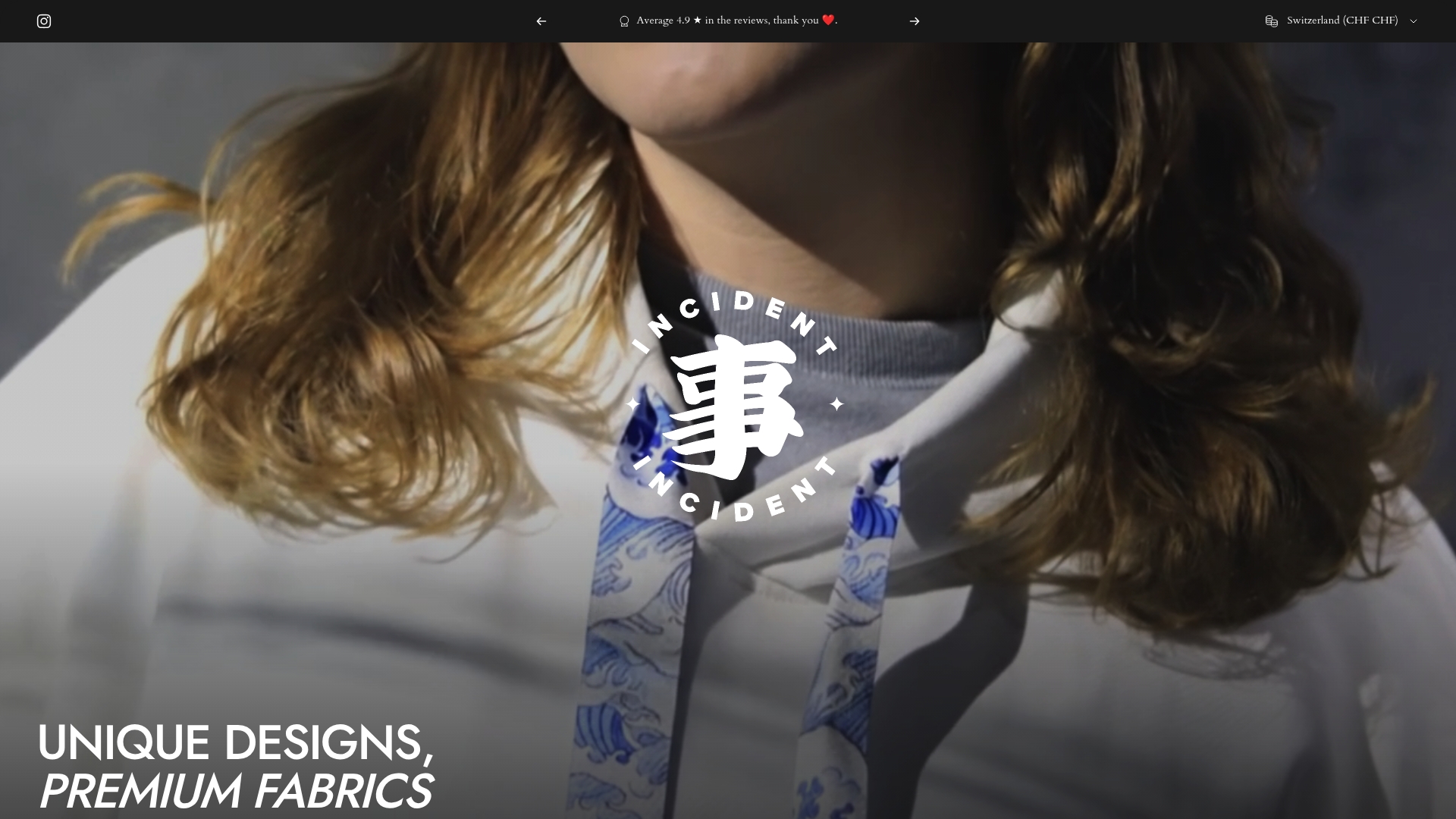
The Incident Pima T-shirt Collection is a good place to start. Each piece is crafted from ultra-soft Pima cotton, cut with the kind of considered proportion that lets the garment do the work rather than demanding accessories to complete it. These are not basics. They are the kind of foundational pieces that make every other item in your wardrobe easier to wear.
Incident ships globally from Switzerland, bringing Japanese-inspired minimalist streetwear to city dressers wherever they are. Explore the full collection at incident.store and find the piece that fits the way you actually live.
FAQ
What is modern urban style?
Modern urban style is a broad category of contemporary fashion shaped by city life, subculture, and a preference for relaxed, functional, and visually considered clothing. It includes aesthetics from Urbano and techwear to minimalist streetwear and urban chic.
Which urban style is easiest to wear daily?
Urbano and normcore are the most accessible everyday urban styles, built around neutral palettes, comfortable silhouettes, and versatile layering that suits most city contexts without requiring significant effort.
How does Japanese streetwear fit into the list of modern urban styles?
Japanese streetwear sits at the heart of minimalist streetwear and influences Urbano significantly. Its emphasis on clean lines, premium fabrics, and tonal palettes has shaped how contemporary urban fashion approaches restraint and quality.
Can you mix urban styles in one outfit?
Yes, and the most interesting urban outfits usually do. The key is to choose one style as your foundation and introduce elements from another with intention, such as pairing a technical shell jacket with Urbano-inspired neutrals beneath it.
What colours define most modern urban styles?
Neutral and monochrome palettes, including black, grey, white, beige, and olive, define the majority of popular urban styles today. Bold colour appears in Harajuku-influenced and gorpcore aesthetics, but restraint dominates the broader category.
Share:
Urban style evolution guide: from streets to minimalism
What is utility fashion? A complete style guide