

TL;DR:
- Urban fashion originated in 1970s New York as a form of cultural expression and resistance.
- Key elements include oversized silhouettes, layered outfits, graphic tees, and functional footwear.
- Japanese minimalism and sustainability are shaping the future of urban fashion globally.
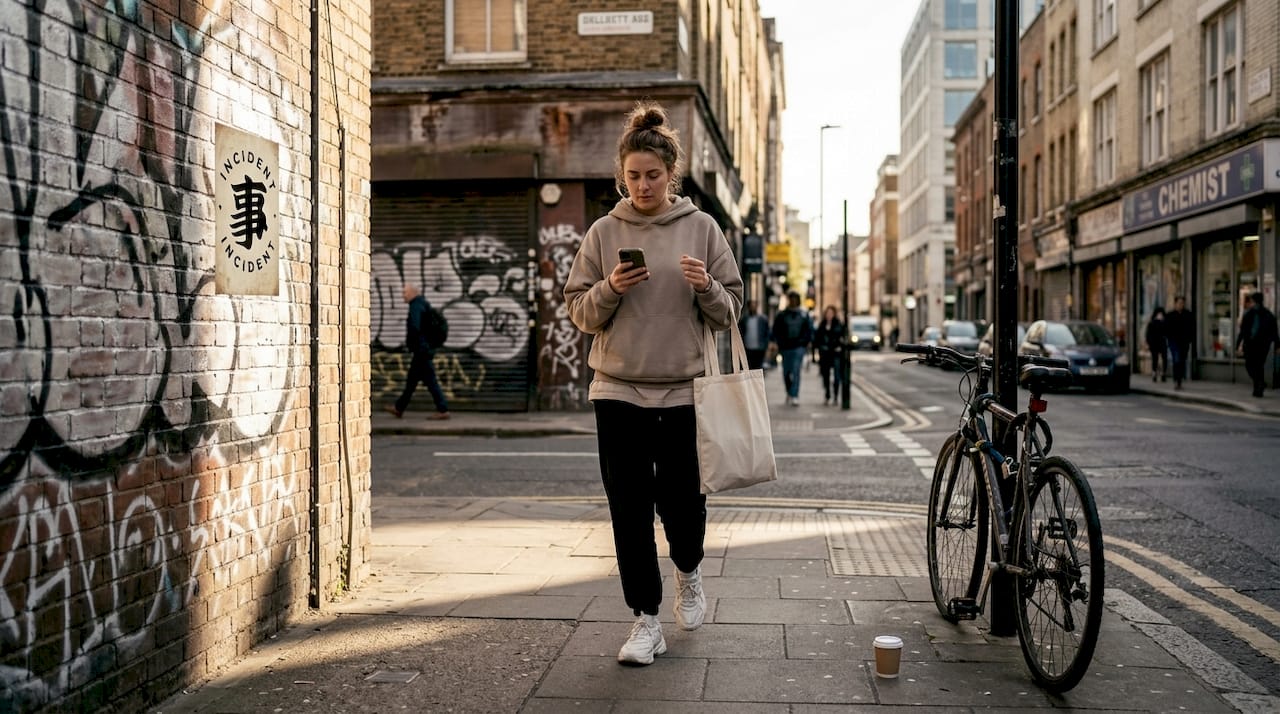
Urban fashion is far more than baggy trousers and bold logos. Born from the hip-hop culture of 1970s and 1980s New York, it has grown into one of the most powerful style movements on the planet, absorbing influences from Tokyo’s minimalist ateliers, London’s gritty estates, and everything in between. Today, it sits at a fascinating crossroads: raw energy meets refined restraint, grassroots culture meets global commerce. If you have ever wondered what urban fashion truly is, where it came from, and where it is heading, this guide will take you through every layer.
Table of Contents
- Urban fashion origins and culture
- Core characteristics and key elements
- Global impact and Japanese aesthetics
- Urban fashion: nuances, sustainability, and future trends
- Why classic urban fashion is evolving: beyond bold and minimalist extremes
- Discover Japanese-inspired urban fashion at INCIDENT
- Frequently asked questions
Key Takeaways
| Point | Details |
|---|---|
| Urban fashion roots | Urban fashion began in New York’s hip-hop scene but now blends global influences. |
| Essential style elements | Oversized fits, layering, graphics, and comfort define urban fashion’s look and function. |
| Japanese minimalism impact | Minimalist fabrics and neutral palettes from Japan modernise urban styles worldwide. |
| Nuances and sustainability | Urban fashion keeps evolving with luxury collabs and eco-conscious approaches. |
| Practical style advice | Young enthusiasts blend bold and minimalist elements for versatile city-ready outfits. |
Urban fashion origins and culture
To understand urban fashion, you need to return to its roots. In the South Bronx during the 1970s, a new culture was taking shape. Hip-hop emerged as a form of expression for communities that felt invisible to mainstream society. Music, dance, graffiti, and clothing became the language of that movement. What people wore was not simply aesthetic; it was identity, resistance, and pride stitched into every thread.
“Urban fashion grew from the streets upward, not from the runway downward. That distinction matters more than most people realise.”
From those early days, the style spread organically. Brands that were once overlooked by the fashion establishment became cultural icons. Tracksuits, oversized jackets, chunky trainers, and gold jewellery were not random choices; they were deliberate statements. The streetwear origins of this movement show just how intentional and community-driven it always was.
As the movement matured, it developed a distinct commercial logic. Rather than following traditional seasonal collections, urban fashion began operating through limited drops, exclusive collaborations, and social media hype. This bottom-up development via limited drops and collabs is what separates urban fashion from conventional retail. Scarcity creates desire. Community creates credibility.
While urban and streetwear are often used interchangeably, some distinguish urban as more hip-hop focused and streetwear as a broader subcultural term encompassing skate, punk, and surf influences. Both, however, share the same grassroots DNA. The streetwear evolution from subculture to high fashion is one of the most remarkable stories in modern style history.
Here is how urban fashion evolved across the decades:
- 1970s: Hip-hop culture emerges in New York; clothing becomes a form of community expression.
- 1980s: Brands like Adidas and Kangol gain cultural currency through music and sport.
- 1990s: Streetwear labels launch independently; skate culture merges with hip-hop aesthetics.
- 2000s: Luxury houses begin noticing the movement; early high-street collaborations appear.
- 2010s: Social media accelerates hype culture; global youth adopt urban fashion universally.
- 2020s: Japanese minimalism, sustainability, and techwear reshape the aesthetic entirely.
Core characteristics and key elements
Having understood the origins, let us now examine the building blocks of urban fashion and what sets it apart from other style movements.
Urban fashion is instantly recognisable, but it is also surprisingly versatile. Its key characteristics include oversized silhouettes, hoodies, joggers, graphic tees, and trainers. These are not just comfortable choices; they are functional ones. City life demands clothing that moves with you, adapts to different environments, and still communicates something meaningful about who you are.
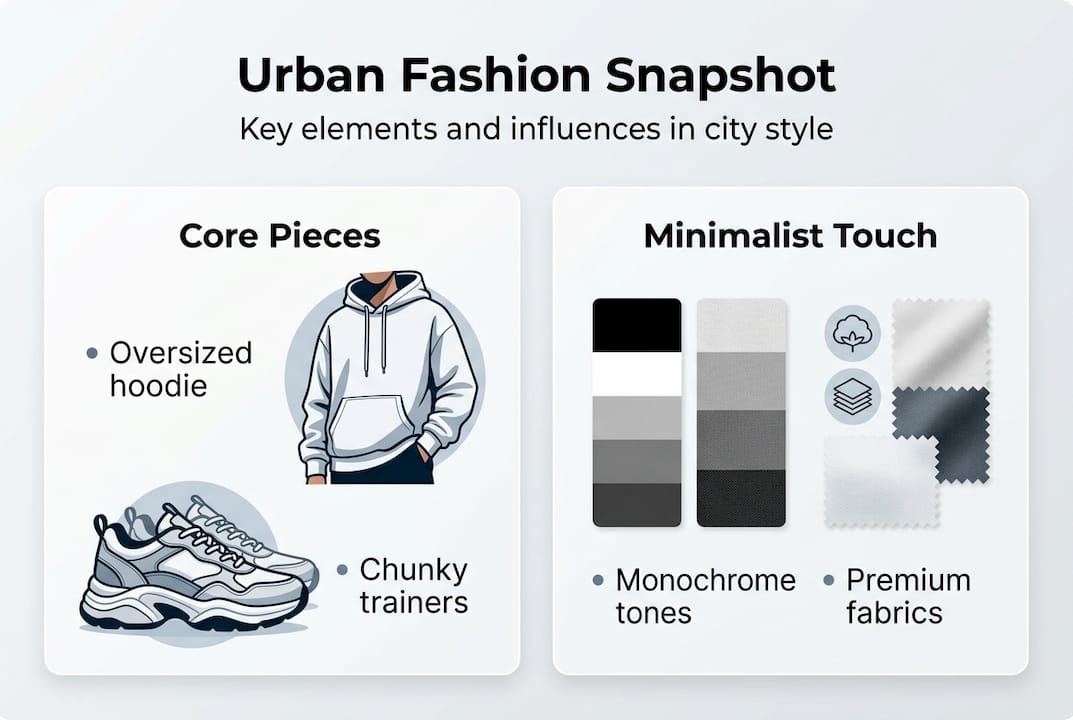
Comfort is central to this. Research shows that 77.7% of Gen Z under 25 prioritise comfort when choosing clothing. Urban fashion answers that call without sacrificing visual impact.
Here are the essential elements that define the urban wardrobe:
- Oversized silhouettes: Relaxed fits that allow freedom of movement and create a strong visual presence.
- Layering: Multiple pieces worn together, from base layers to outerwear, adding depth and adaptability.
- Graphic tees: Bold prints, typography, and cultural references that communicate identity at a glance.
- Functional outerwear: Hoodies, bombers, and utility jackets that serve both style and practicality.
- Statement footwear: Chunky trainers and technical sneakers that anchor the entire look.
- Minimalist alternatives: Clean, tonal pieces influenced by Japanese urban styles that offer understated elegance.
| Style approach | Key pieces | Colour palette | Influence |
|---|---|---|---|
| Bold urban | Graphic tees, oversized hoodies | Bright, contrasting | Hip-hop, New York |
| Minimalist urban | Clean tees, wide-leg trousers | Neutral, monochrome | Japanese aesthetics |
| Techwear urban | Utility vests, technical fabrics | Dark, muted | Tokyo, military |
| Hybrid urban | Layered neutrals with graphic accents | Mixed tonal | Global street culture |
Pro Tip: When styling oversized streetwear, anchor your look with one fitted piece. A relaxed hoodie paired with tapered trousers creates balance without losing the urban silhouette.
For those drawn to the quieter side of urban fashion, minimalist palettes and premium fabrics offer a refined entry point. You can explore the full spectrum of current streetwear trends to find where your personal style lands.
Global impact and Japanese aesthetics
With the key elements defined, we can now see how global influences, especially Japan, have shaped urban fashion into a genuinely diverse movement.
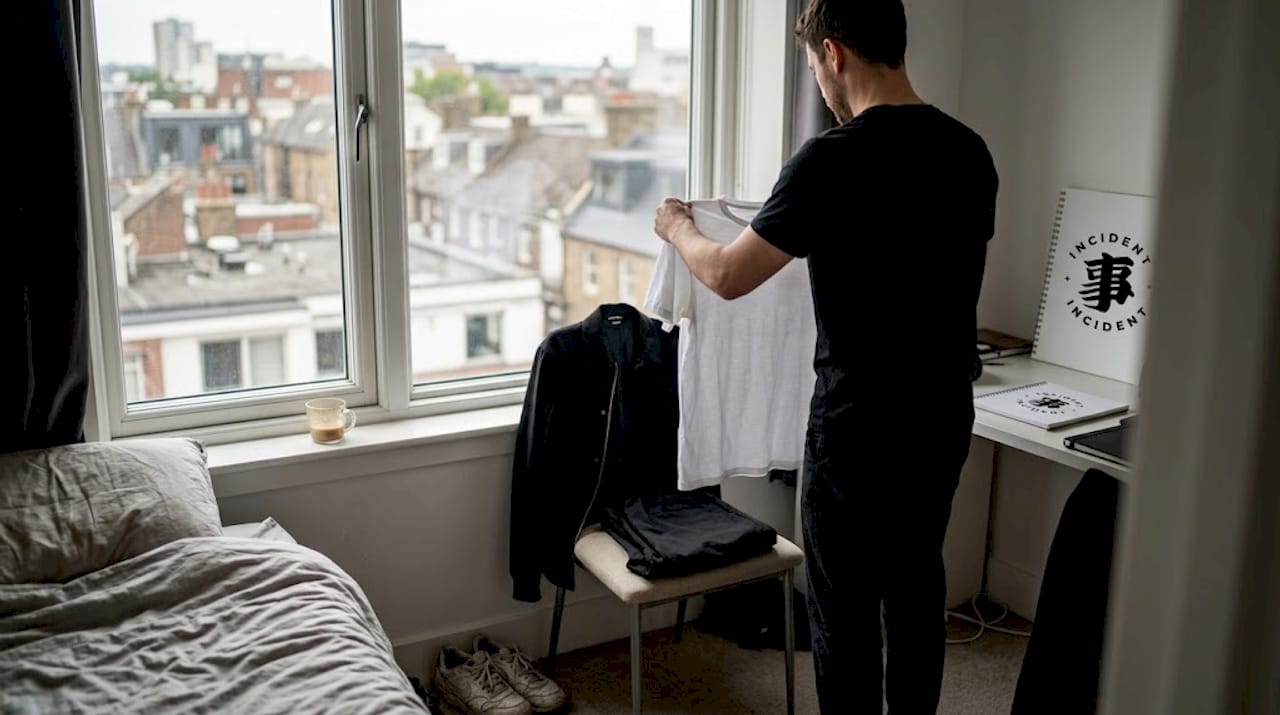
Japan’s contribution to urban fashion is profound and still growing. Modern urban fashion incorporates Japanese aesthetics like minimalism, techwear, monochromatic palettes, and layered textures. These elements bring a quiet sophistication to a scene that was once defined almost entirely by volume and boldness.
Tokyo neighbourhoods like Harajuku, Shibuya, and Ura-Harajuku have each contributed distinct visual languages. Harajuku streetwear influences introduced the world to fearless self-expression through layering and contrast. Ura-Harajuku, by contrast, championed restraint, craftsmanship, and premium materials. Both threads now weave through global urban fashion in fascinating ways.
The numbers confirm this global momentum. The streetwear market is valued at USD 218.3 billion in 2026, projected to reach USD 264.76 billion by 2031. The Asia-Pacific region holds approximately 38% of that market share, reflecting just how central Japanese and broader Asian aesthetics have become.
| Region | Market influence | Signature aesthetic |
|---|---|---|
| New York | Hip-hop, bold graphics | Oversized, logo-heavy |
| Tokyo | Minimalism, techwear | Layered, monochrome |
| London | Grime, utility | Functional, dark tones |
| Seoul | K-pop crossover | Clean, tailored streetwear |
Key global shifts shaping urban fashion right now:
- Architectural silhouettes inspired by Japanese design philosophy
- Monochrome and tonal dressing replacing loud colour-blocking
- Technical fabrics offering performance without sacrificing elegance
- Sustainability becoming a genuine purchasing criterion, not just marketing language
- Cross-cultural collaborations blending Eastern and Western aesthetics
For a deeper look at how these aesthetics translate into real outfits, the Japanese minimalism lookbook offers genuine inspiration. Understanding Japanese minimalism and modern urban styles is increasingly essential for anyone serious about where fashion is heading.
Urban fashion: nuances, sustainability, and future trends
As global influences shape the aesthetic, it is crucial to understand the expert nuances and where urban fashion is heading next.
One of the most important distinctions in contemporary fashion is the difference between traditional bold urban style and the emerging Japanese-influenced minimalism. Grassroots organic development versus runway fashion, luxury collaborations, and the contrast between bold graphics and quiet utility all define this evolving conversation. Neither approach is superior; they simply speak to different values and contexts.
Luxury collaborations have become a defining feature of modern urban fashion. When heritage houses partner with streetwear labels, the result is often a cultural moment rather than simply a product launch. These collaborations validate urban fashion’s place at the highest levels of the industry while keeping it connected to its street origins.
Sustainability is no longer optional. Japanese minimalist aesthetics naturally align with sustainable thinking: fewer, better pieces; quality over quantity; longevity over trend-chasing. Eco-conscious sustainable urban streetwear is growing rapidly as younger consumers demand transparency from the brands they support.
Emerging trends to watch:
- Neutral palettes: Warm beiges, soft greys, and earthy tones replacing maximalist colour schemes.
- Technical layering: Lightweight technical fabrics worn in considered, architectural combinations.
- Quiet luxury: Premium materials and subtle detailing communicating quality without visible branding.
- Utility details: Functional pockets, adjustable elements, and modular design features.
- Hybrid aesthetics: Bold hip-hop energy filtered through Japanese restraint for genuinely original looks.
Pro Tip: When building a future-proof urban wardrobe, invest in classic streetwear foundations first. Versatile neutral pieces with strong silhouettes will outlast trend cycles and give you a reliable base for more experimental styling.
For practical guidance on bringing these elements together, Japanese streetwear styling tips offer a clear and actionable starting point.
Why classic urban fashion is evolving: beyond bold and minimalist extremes
Here is what we genuinely believe after watching urban fashion develop across decades of cultural shifts: the most exciting space is not at either extreme. It is not purely bold hip-hop maximalism, and it is not purely austere Japanese minimalism. The most compelling urban fashion today lives in the tension between the two.
Young people are not choosing between identity and restraint. They are finding ways to express both simultaneously. An oversized silhouette in a neutral tone. A graphic element rendered in a single muted colour. Technical fabric with a deliberately relaxed cut. These hybrid approaches reflect how modern minimalist trends are being absorbed into everyday urban dressing without erasing what came before.
The practical advice is straightforward. Prioritise oversized comfort with Japanese minimalist layering, using tech fabrics and neutral tones for versatile, functional looks that blend the best of both traditions. Start with strong foundational pieces. Add one statement element. Let the rest breathe. Urban fashion at its best is not loud for the sake of it; it is intentional, considered, and deeply personal.
Discover Japanese-inspired urban fashion at INCIDENT
If this journey through urban fashion’s origins, aesthetics, and future has sparked something in you, we would love to show you what we have been building at INCIDENT.

At INCIDENT, we design premium Japanese-inspired streetwear from Switzerland, crafting garments that honour the minimalist traditions of Japanese aesthetics while embracing the energy of contemporary urban culture. Our PIMA cotton oversized t-shirts are made from ultra-soft, responsibly sourced fabric, offering the silhouette and comfort that modern urban style demands. Clean lines, subtle details, and a Japandi-influenced philosophy run through every piece we create. Whether you are new to Japanese streetwear or deepening an existing wardrobe, we are here to help you find exactly what you are looking for.
Frequently asked questions
How is urban fashion different from streetwear?
Urban fashion covers broader hip-hop inspired styles, while streetwear encompasses skate, punk, and niche subcultures. The terms overlap significantly but carry slightly different cultural emphases.
What are typical urban fashion pieces?
Common urban pieces include oversized hoodies, joggers, graphic tees, chunky trainers, and functional layering items. These combine comfort with strong visual identity.
How has Japanese style influenced urban fashion?
Japanese aesthetics have introduced minimalism, technical fabrics, and monochrome palettes into urban fashion, giving the movement a quieter, more considered dimension alongside its bolder roots.
Why is sustainability important in urban fashion?
Sustainability is rising as a benchmark because eco-conscious consumers are demanding responsible materials and transparent manufacturing from the brands they choose to support.
What are the biggest urban fashion trends for 2026?
Layered neutral tones, oversized silhouettes, techwear details, and eco-friendly materials lead current trends, with neutral palettes and technical fabrics emerging as the defining aesthetic direction for the year.


Share:
Top 5 Japanese capsule collection 2026
How to transition seasonal streetwear with Japanese style