

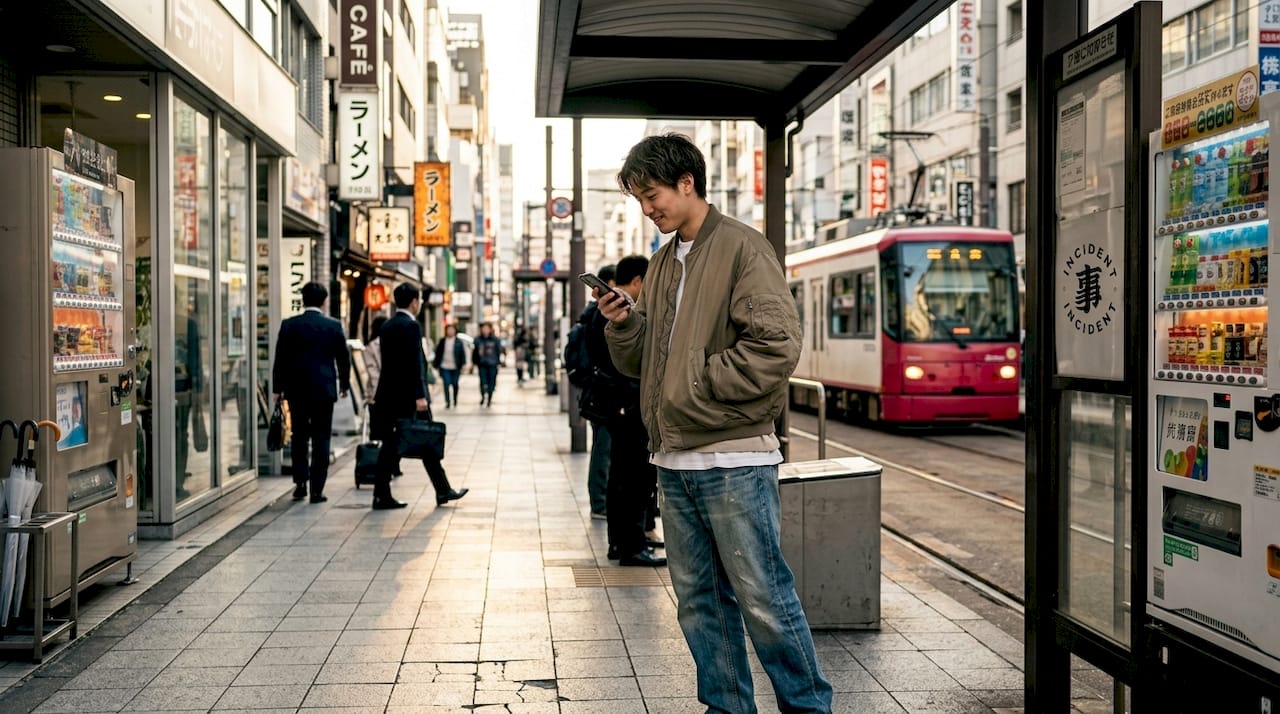
You know that feeling when you scroll through a Japanese streetwear feed and think, “I want that,” but then open your closet and have no idea where to begin? Blending streetwear with your everyday wardrobe can feel like a puzzle with too many pieces. The good news is that Japanese streetwear is built on restraint, not excess. Brands like OrSlow prove that versatile vintage fabrics and minimalist thinking can translate into outfits you actually wear every day. This guide walks you through the philosophy, the pieces, and the practical steps to make it work.
Table of Contents
- What makes Japanese streetwear unique?
- Essential tools and materials for a streetwear-inspired wardrobe
- Step-by-step: Incorporating streetwear elements into everyday outfits
- Troubleshooting: Common mistakes and how to avoid them
- Style verification: Assess and showcase your outfits
- Where to shop and build your streetwear wardrobe
- Frequently asked questions
Key Takeaways
| Point | Details |
|---|---|
| Start with key basics | Choose one or two minimalist streetwear staples to begin building your wardrobe. |
| Prioritize materials | Go for high-quality, vintage-feel fabrics for durability and sustainability. |
| Blend restraint and style | Balance statement pieces with neutral colors and simple accessories. |
| Evolve your look | Refine your style by rotating pieces and seeking inspiration from Japanese brands. |
What makes Japanese streetwear unique?
Japanese streetwear is not just a look. It is a philosophy rooted in heritage, function, and quiet confidence. Where Western streetwear often leans into bold logos and loud graphics, the Japanese approach favors subtlety. Clean silhouettes, carefully chosen textures, and a deep respect for craftsmanship define the aesthetic. Understanding the Harajuku streetwear revolution helps you see how this culture evolved from youth subcultures into a globally respected design language.
The philosophy centers on what you leave out, not what you pile on. Japanese brands focus on vintage-feel fabrics that age well, blending streetwear durability with minimalist restraint. That means a single well-worn indigo jacket can carry an entire outfit without needing anything else to compete with it.
Here is how Japanese streetwear compares to its Western counterpart:
| Feature | Japanese streetwear | Western streetwear |
|---|---|---|
| Color palette | Neutral, earthy, muted | Bold, high-contrast |
| Logo use | Minimal or none | Prominent branding |
| Fabric focus | Vintage, specialty, natural | Performance, synthetic blends |
| Silhouette | Relaxed, structured balance | Oversized or fitted extremes |
| Core value | Craftsmanship and restraint | Hype and cultural signaling |
Key characteristics that define the style include:
- Vintage finishes that develop character over time
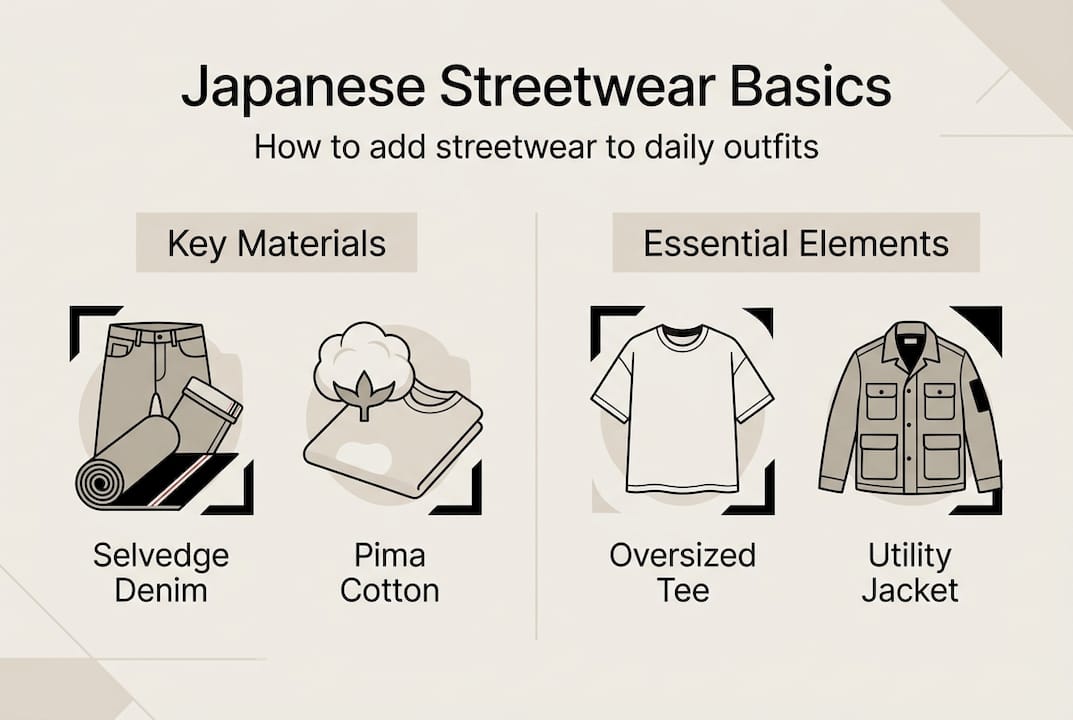
- Specialty fabrics like selvedge denim and Pima cotton
- Careful restraint in color and accessory choices
- Functional design with clean, purposeful details
Familiarizing yourself with classic streetwear elements and brushing up on your streetwear terminology will give you a stronger foundation before you start building outfits.
With the foundation set, you will want to know what materials and pieces you need.
Essential tools and materials for a streetwear-inspired wardrobe
Building a Japanese streetwear wardrobe is less about buying everything at once and more about choosing the right things. Quality always wins over quantity here. OrSlow and similar Japanese labels excel in vintage-feel fabrics prized for sustainability and versatility, which means each piece you invest in should last for years.
Your wardrobe foundation should include:
- Oversized T-shirts in white, black, or earthy tones, ideally in Pima or organic cotton
- Relaxed denim or selvedge jeans with a clean, unfussy wash
- Utility pants in neutral shades like olive, sand, or charcoal
- Minimalist hoodies without heavy branding
- Simple sneakers in white, black, or gum sole colorways
- Small crossbody bags or tote bags in canvas or leather
- Caps or beanies in solid, muted colors
Fabric choice matters more than most people realize. Our Japanese fabrics guide breaks down why materials like selvedge denim and Pima cotton are worth the investment. These fabrics age beautifully, hold their shape, and feel noticeably better against your skin.

Here is a quick fabric comparison to help you choose:
| Fabric | Why it works | Best used for |
|---|---|---|
| Pima cotton | Ultra-soft, durable, breathable | T-shirts, hoodies |
| Selvedge denim | Ages with character, strong weave | Jeans, jackets |
| Ripstop nylon | Lightweight, functional | Utility pants, outerwear |
| Linen blends | Relaxed drape, natural texture | Shirts, wide-leg trousers |
Pro Tip: When shopping for quality streetwear garments, check the fabric weight and construction before the label. A heavier Pima cotton tee will outlast three cheaper alternatives and look better doing it.
With the right pieces assembled, you can start putting together your look.
Step-by-step: Incorporating streetwear elements into everyday outfits
The goal is not to overhaul your wardrobe overnight. It is to introduce elements gradually so each addition feels natural and intentional. Japanese brands like OrSlow help wearers blend versatility with streetwear style in everyday scenarios, and that same principle applies to how you build your outfits.
Follow these steps to get started:
- Start with one statement piece. Choose a single item, like an oversized tee or a pair of utility pants, and build the rest of the outfit around it in neutral tones.
- Mix silhouettes intentionally. Pair a relaxed, wide-leg trouser with a more fitted top to create visual balance. Avoid going fully oversized from head to toe.
- Work within a neutral palette. Stick to whites, blacks, grays, olives, and earth tones. Subtle contrast is more powerful than color clashing.
- Layer with purpose. Try a minimal hoodie under a structured coat, or a simple long-sleeve tee under an open overshirt. Each layer should add dimension, not noise.
- Add one accessory. A cap, a small bag, or a single bracelet is enough. Resist the urge to stack everything at once.
- Upgrade your footwear last. Once the outfit feels balanced, a clean pair of minimalist sneakers or a statement shoe can elevate the whole look without overwhelming it.
Here is a comparison of beginner versus advanced approaches:
| Element | Beginner approach | Advanced approach |
|---|---|---|
| Statement piece | One oversized tee | Layered utility jacket over minimal base |
| Color palette | All neutrals | Tonal contrast with one muted accent |
| Accessories | Cap or bag, not both | Curated mix of cap, bag, and subtle jewelry |
| Footwear | Clean white sneakers | Gum-sole or textured minimalist shoe |
For more inspiration, our streetwear trends step-by-step guide and classic streetwear guide are worth bookmarking.
Pro Tip: Introduce one new element each week rather than changing everything at once. Your personal style develops through small, confident decisions, not dramatic overhauls.
As you try out new looks, be aware of common mistakes and ways to troubleshoot styling issues.
Troubleshooting: Common mistakes and how to avoid them
Even with the best intentions, certain habits can pull a Japanese streetwear look in the wrong direction. Minimalist restraint is a core feature of authentic Japanese streetwear, and most mistakes come from doing too much rather than too little.
Watch out for these common missteps:
- Wearing too many logos at once. One branded piece per outfit is the ceiling. Two or more starts to feel chaotic.
- Ignoring fit and silhouette. Oversized does not mean shapeless. Your proportions still need to feel intentional and balanced.
- Clashing colors or busy patterns. If your palette has more than three tones, simplify. Busy outfits undermine the minimalist foundation.
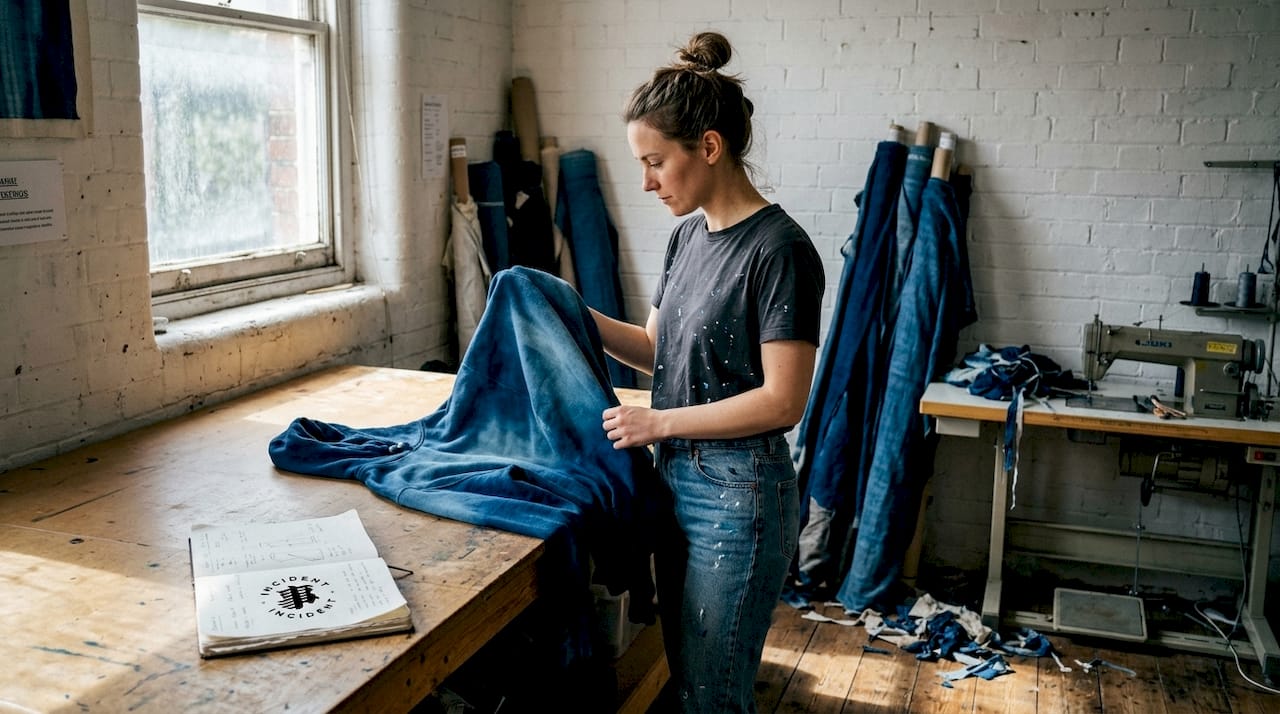
- Neglecting garment care. Premium fabrics need proper washing and storage. A pilled hoodie or faded denim that was not meant to fade breaks the aesthetic immediately.
- Copying looks without adapting them. What works on a runway or a Tokyo street may need adjustment for your body type, climate, or lifestyle. Make it yours.
Understanding brand identity in streetwear can also help you make smarter choices about which pieces to invest in and which trends to skip.
“Less is more. Great Japanese streetwear focuses on details, not excess.”
Once you are confident, you will want to see how others verify and show off their style.
Style verification: Assess and showcase your outfits
Getting dressed is only half the process. Evaluating what you have put together, and sharing it, helps you grow faster as a stylist. Documenting your streetwear style for social sharing can help you refine your looks by giving you a visual record to compare over time.
Here is how to assess and share your outfits effectively:
- Take photos in natural light against a clean, neutral background. This removes distractions and lets the outfit speak for itself.
- Compare looks side by side using your camera roll. You will notice patterns in what works and what feels off.
- Share on Instagram or TikTok using relevant streetwear and minimalist fashion tags to connect with communities that can give honest feedback.
- Engage with Japanese streetwear communities on Reddit, Discord, or niche fashion forums. These spaces are full of people who genuinely care about craft and detail.
- Revisit your outfits seasonally. What felt right in spring may need adjustment in autumn. Let your wardrobe evolve with you.
Our streetwear photography tips can help you capture your looks in a way that does justice to the fabrics and silhouettes you have worked to put together.
Where to shop and build your streetwear wardrobe
If you are ready to invest in pieces that genuinely reflect the Japanese streetwear philosophy, we have built our collections with exactly that in mind. At INCIDENT, every garment is designed around clean lines, premium materials, and a Japandi-influenced aesthetic that feels at home in both Tokyo and Zurich.
Our Pima cotton oversized T-shirts are a natural starting point. Ultra-soft, beautifully weighted, and designed to layer or stand alone, they embody the kind of quiet confidence that Japanese streetwear is built on. Whether you are just beginning to explore this style or looking to refine a wardrobe you have been building for years, we offer pieces that reward attention to detail. Browse our full collection and find the garments that feel like they were made for you, because in many ways, they were.
Frequently asked questions
What is the easiest way to start using streetwear elements?
Start with core basics and introduce elements gradually. One quality statement piece, like an oversized tee or relaxed jeans, gives you a strong anchor to build from without overwhelming your existing wardrobe.
What’s the best way to combine minimalism with streetwear?
Stick to neutral colors, invest in high-quality fabrics, and limit accessories to one or two per outfit. Minimalist restraint is a defining trait of Japanese streetwear, and less always reads as more intentional.
Why are vintage fabrics popular in Japanese streetwear?
OrSlow and other Japanese brands highlight vintage fabric use because these materials develop character over time, last longer than synthetic alternatives, and align with a more sustainable approach to fashion.
How can I keep my streetwear look fresh over time?
Rotate your classic pieces and experiment subtly with layering and accessories each season. Small, intentional changes preserve the minimalist authenticity of your look while keeping it from feeling stale.
What brands are good for minimalist Japanese streetwear?
OrSlow is a widely respected example, offering durable and versatile pieces with a strong minimalist edge. For a Swiss-designed take on the same philosophy, INCIDENT brings Japanese-inspired craftsmanship to contemporary streetwear with a clean, global sensibility.


Share:
Top 8 advoutdoortech.com Alternatives 2026
What is sustainable streetwear? Eco-conscious urban fashion