

TL;DR:
- Decluttering and organizing wardrobe basics is essential for seamless seasonal transitions.
- Versatile Japanese-inspired pieces like haori jackets and wide trousers enable adaptable styling.
- Smart layering and carrying lightweight backup layers ensure functionality during unpredictable weather.
The moment between seasons is where most wardrobes fall apart. One week you’re in a lightweight linen shirt, the next a cold snap arrives and you’re reaching for items that simply don’t fit your carefully curated Japanese-inspired aesthetic. For those of us who take minimalist streetwear seriously, this tension is real. Navigating unpredictable weather without compromising your look requires a deliberate strategy, not impulse buying. In this guide, we’ll walk through exactly how to declutter, curate, layer, and adapt your wardrobe so your Japanese streetwear identity stays intact no matter what the season throws at you.
Table of Contents
- Declutter and prep your wardrobe
- Curate key transition pieces
- Layer smart: building adaptable streetwear outfits
- Adapt to unpredictable weather
- Why mastering seasonal transitions unlocks true Japanese streetwear style
- Complete your wardrobe transition with INCIDENT
- Frequently asked questions
Key Takeaways
| Point | Details |
|---|---|
| Prep with minimalism | Start your seasonal transition by decluttering and organising using minimalist methods for a flexible base. |
| Choose adaptable pieces | Invest in Japanese-inspired staples like haori jackets and wide trousers for easy layering. |
| Master smart layering | Use structured outfits and neutral palettes to create seamless transitions in unpredictable weather. |
| Stay adaptable | Always keep breathable fabrics and weather-resistant gear ready for quick weather changes. |
Declutter and prep your wardrobe
Before you start thinking about new pieces, you need a clear foundation. A wardrobe packed with items that don’t serve your current season or aesthetic will always work against you. The place to begin is a thorough, intentional reset.
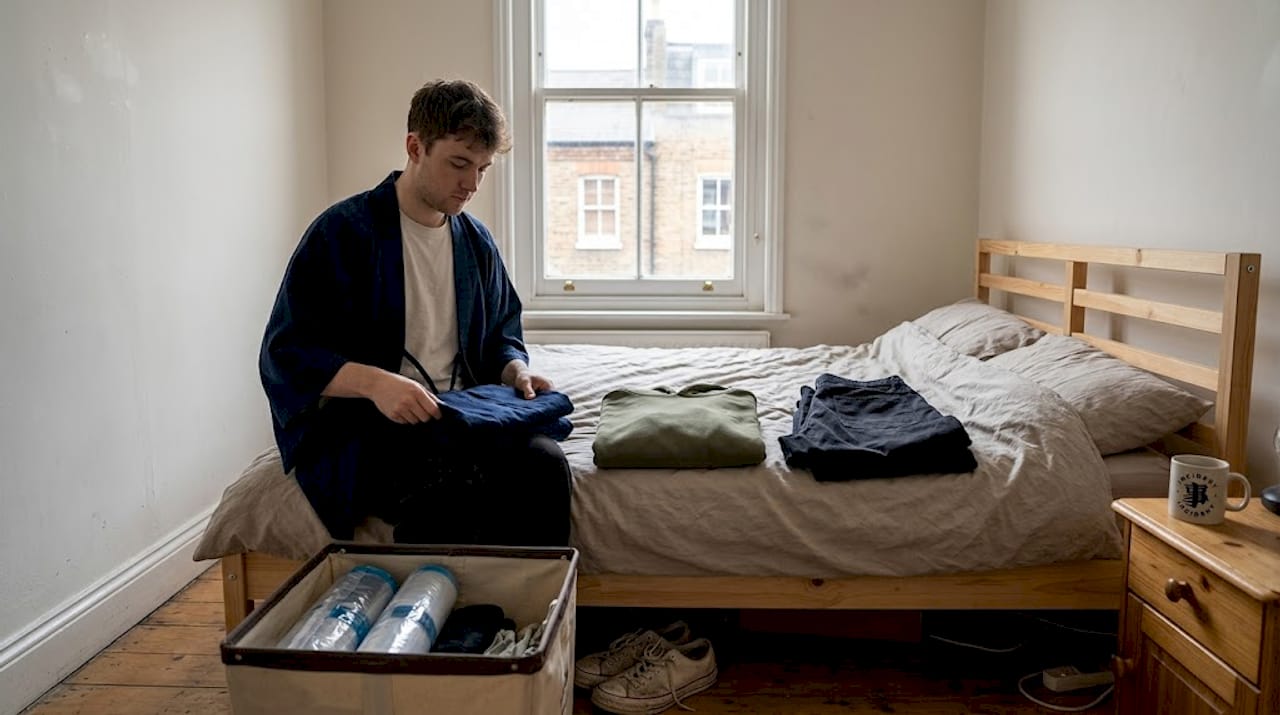
The KonMari method offers a surprisingly powerful framework for streetwear transitions. Gather every seasonal item you own, assess whether each piece sparks genuine joy or serves a clear layering purpose, and make firm decisions. Non-seasonal items go into storage. Transitional pieces, light knits, structured jackets, and versatile basics, stay accessible.
Once you’ve sorted what stays, organise what’s left with intention. Fold heavier items neatly and separate them by function: base layers, mid-layers, and outerwear. Building a timeless wardrobe guide mindset at this stage helps you see which pieces carry across multiple seasons rather than locking you into one look.
Here’s a quick overview of what to keep active versus what to store:
| Category | Keep active | Move to storage |
|---|---|---|
| Knitwear | Light cotton knits | Heavy wool jumpers |
| Outerwear | Unlined jackets | Padded coats |
| Trousers | Wide-leg cotton | Thermal liners |
| Tops | Base layer tees | Thick flannel shirts |
| Footwear | Clean minimal sneakers | Insulated boots |
When you’re storing off-season pieces, follow this simple process:
- Wash or air every garment before packing it away.
- Fold items flat rather than hanging, to preserve fabric structure.
- Place them in breathable fabric bags or vacuum-sealed bags for compact storage.
- Label each bag by season and category for fast retrieval.
- Store in a cool, dry place away from direct sunlight.
Pro Tip: Vacuum storage bags are particularly effective for bulky knits and outerwear. They protect against moisture and dust while freeing up significant wardrobe space during warmer months.
Curate key transition pieces
With your basics refreshed and prepped, it’s time to focus on building the perfect selection of pieces for seamless transitions. The goal here is versatility without compromise, pieces that feel distinctly Japanese in their aesthetic while doing serious practical work.
The haori jacket is arguably the single most powerful transitional garment in the Japanese-inspired wardrobe. Worn open over a fitted base layer, it reads as effortlessly architectural. The shacket (a shirt-jacket hybrid) serves a similar purpose for a more contemporary streetwear audience. Both work across a wide temperature range and adapt beautifully to Japanese styling elements already in your rotation.
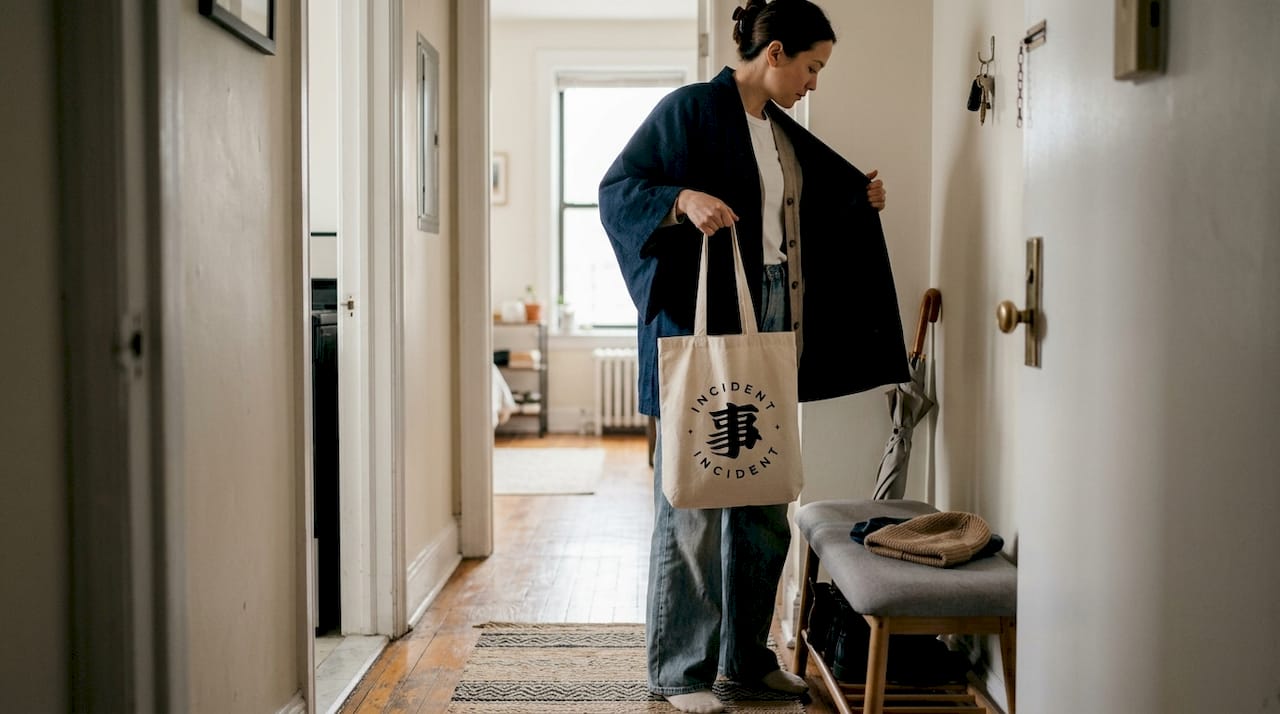
When it comes to bottoms and tops, balancing volumes is the principle that holds everything together. Wide trousers paired with a cropped top create proportion without effort. If your top is loose, structured bottoms restore visual balance. This tension between silhouette and ease is at the heart of modern Japanese minimalism.
Here are five items that bridge warm and cool days effectively:
- Haori or open kimono jacket in a mid-weight fabric
- Wide-leg cotton trousers in a neutral tone
- Cropped or boxy base layer tee in off-white or charcoal
- Unlined bomber or coach jacket for wind protection
- Minimal canvas or leather sneakers that work across seasons
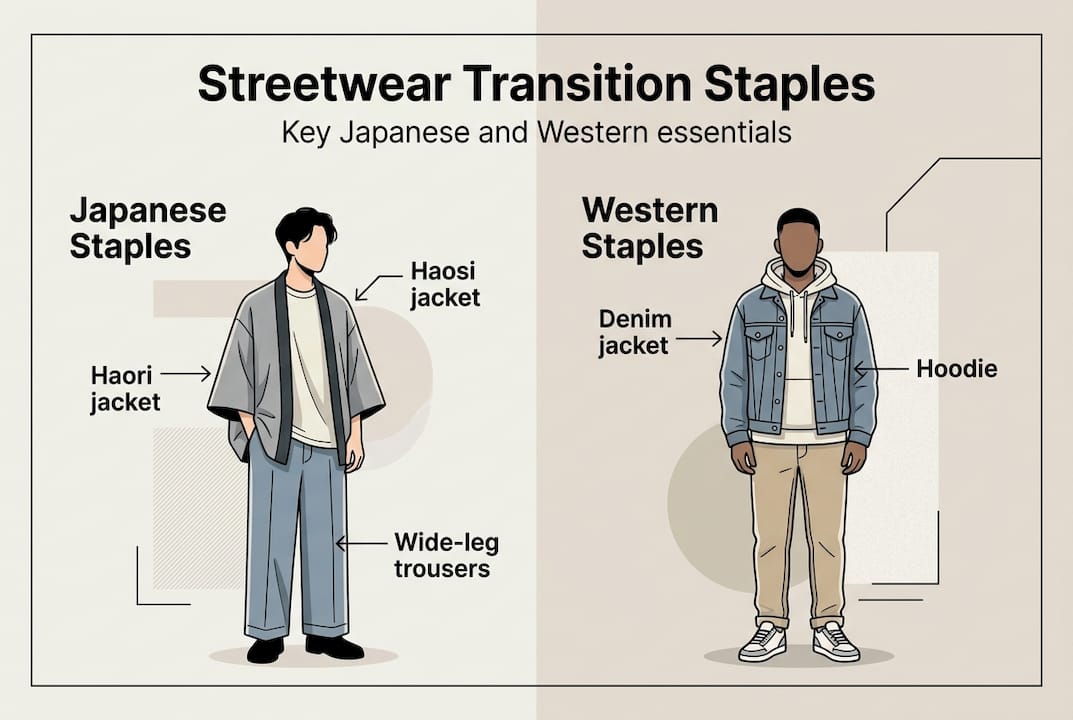
| Japanese-inspired staples | Traditional streetwear staples |
|---|---|
| Haori jacket | Denim jacket |
| Wide-leg trousers | Slim joggers |
| Kimono-collar shirt | Graphic hoodie |
| Monochrome linen top | Branded crewneck |
| Minimal leather sneaker | Chunky trainer |
For further inspiration on how to put these together, the streetwear lookbook at INCIDENT offers a strong visual reference for what thoughtful seasonal dressing looks like in practice.
Layer smart: building adaptable streetwear outfits
Armed with your curated items, let’s map out how to combine them with smart layering for any weather. Layering in the Japanese minimalist tradition is not about piling on clothes. It’s about building a considered hierarchy where each piece is intentional.
Follow this three-step process when constructing any transitional outfit:
- Start with a breathable base layer. A fitted or slightly oversized cotton tee forms the foundation. It should sit close enough to the body to not disrupt the silhouette of what goes over it.
- Add a mid-layer for temperature control. A light knit, kimono-collar shirt, or open haori gives you the ability to regulate warmth without removing your entire outfit. This layer defines the aesthetic character of the look.
- Finish with an outerwear piece. An unlined coach jacket or structured bomber completes the silhouette. It should be easy to remove and carry without adding significant bulk.
Pro Tip: Monochrome and neutral colour palettes are your greatest ally during transitional dressing. When every layer shares a tonal family, say ivory, taupe, and slate grey, adding or removing a piece never breaks the visual harmony of the outfit.
Recognising when to add or shed layers on the go is a skill in itself. Morning commutes often demand full layering, while afternoon warmth may call for dropping to just the mid-layer. The hanami outfit styling approach is a strong reference here: build for the morning cold and design the outfit so that each removal still looks deliberate. Different street fashion types handle this differently, but the principle of intentional reduction holds across the board.
Adapt to unpredictable weather
Now that you’re mastering the build, let’s tweak your approach for those wild, unpredictable transitions. Even the most beautifully layered outfit can be undone by a sudden downpour or an unexpected cold snap.
For humid and rainy conditions, breathable fabrics become essential. High-twist cotton is particularly well-suited because it resists clinging and dries quickly. Water-resistant outerwear, not necessarily a technical rain jacket, but a tightly woven shell or treated cotton outer, gives you protection without abandoning the aesthetic. During cold snaps, keeping one or two lighter winter layers accessible rather than fully stored means you can respond quickly.
Avoid these common mistakes in unpredictable conditions:
- Wearing heavy knits in humid weather. They absorb moisture and lose their shape.
- Over-layering to compensate for poor fabric choices. It creates bulk without warmth.
- Packing away all winter layers too early. A thin thermal base layer takes up almost no space but saves you on cold mornings.
- Ignoring footwear. Wet feet ruin an otherwise strong outfit. Keep a clean pair of water-resistant trainers in rotation.
Always carry a compact backup layer during transitional months. Whether it’s a tightly folded knit or a packable shell, having that reserve option means you’re never caught out. Preparedness is not a compromise on style. It is the foundation of it.
For hanami style tips and other outdoor event guidance, the principle is the same: dress for the range of conditions you’ll encounter across the full day, not just the forecast at noon.
Why mastering seasonal transitions unlocks true Japanese streetwear style
Most style guides spend the majority of their space discussing how things look. Fewer discuss how they function when the temperature drops at 3pm or rain starts midway through your commute. This, in our view, is where the real understanding of Japanese minimalism lies.
The rise of Japanese streetwear in global fashion culture has brought significant attention to the aesthetic, but adaptability is what separates those who truly live the style from those who only photograph it. Traditional Japanese garment design has always prioritised function alongside form. The haori exists because it works. The wide silhouette breathes. The layering philosophy developed because Japanese seasons are genuinely demanding.
When you approach your wardrobe with function first and aesthetic second, something interesting happens. The look actually improves. Clothes worn in their correct context, with the right fabrics for the conditions, move, hang, and drape the way they were intended. That is the quiet intelligence at the heart of Japanese minimalist design, and it’s worth internalising before you buy a single new piece.
Complete your wardrobe transition with INCIDENT
Ready to refine your own seasonal shift? At INCIDENT, we design every piece with exactly this kind of adaptability in mind.

Our garments are crafted from premium fabrics suited to layering, including our Pima cotton t-shirts that sit beautifully as a breathable base across every season. Whether you’re building your first transitional wardrobe or refining a collection you’ve spent years curating, our store offers Japanese streetwear essentials designed to carry you from the first cool morning of autumn through to the last uncertain day of spring. Clean lines, considered details, and a design philosophy built on the idea that great clothes earn their place in your wardrobe every single day.
Frequently asked questions
How do you store off-season Japanese streetwear safely?
Store off-season pieces in vacuum-sealed or fabric bags to keep them protected from dust and moisture while freeing up accessible wardrobe space for your current season.
What are the best fabrics for humid, rainy transitions?
Opt for breathable options like high-twist cotton and keep a water-resistant outerwear piece in regular rotation during unpredictable transitional months.
Can you layer minimalist Japanese streetwear without bulk?
Yes. Use volume-balancing techniques such as wide bottoms with cropped tops, and choose semi-structured layers that maintain silhouette without adding unnecessary weight.
How do you avoid mistakes when layering for weather changes?
Stick to breathable base layers and always carry a compact rain layer or light knit backup so you can respond to shifting conditions without compromising your look.



Share:
Urban fashion explained: style, minimalism, and city life
Men's streetwear essentials: refined Japanese-inspired style