

TL;DR:
- Versatile streetwear emphasizes simplicity, quality fabrics, and neutral colors for adaptability.
- Japanese minimalism influences this style through restraint, subtle details, and timeless design.
- Building a wardrobe with key basics and thoughtful layering creates lasting, personal style.
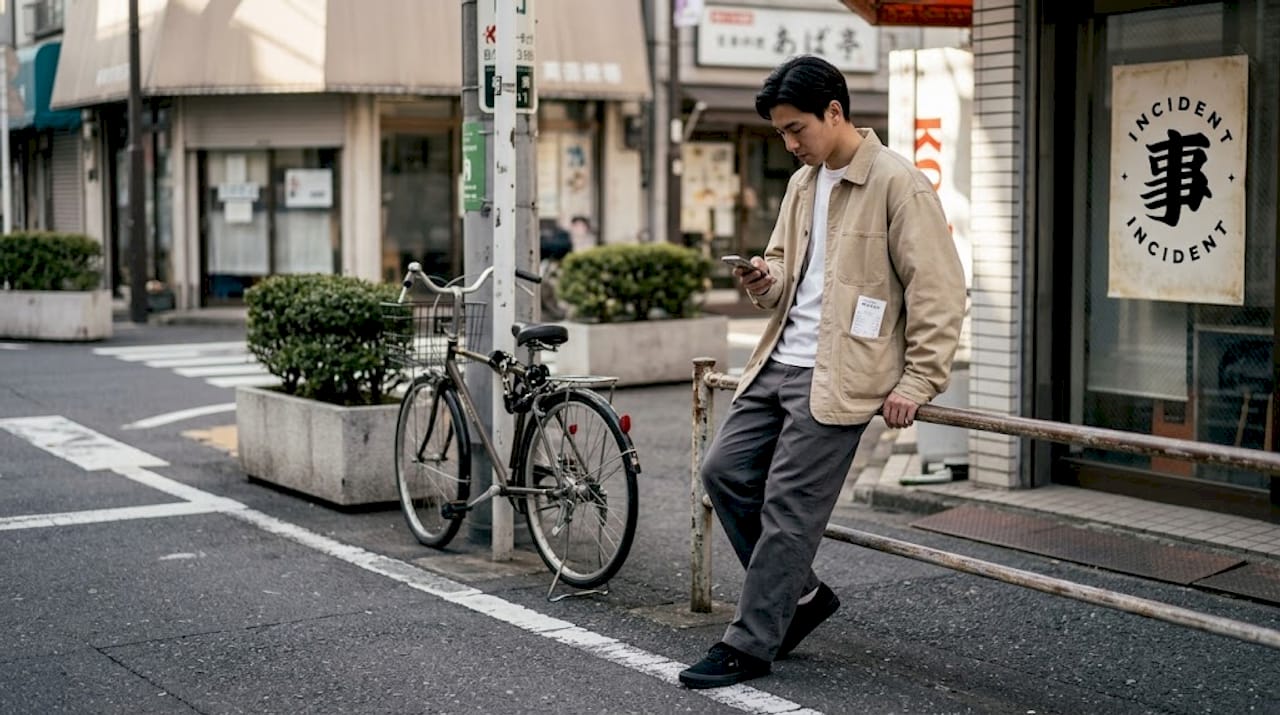
Many assume streetwear must shout to be heard — oversized logos, clashing graphics, and aggressive branding. But there is a quieter, more considered movement reshaping urban fashion, one rooted in Japanese aesthetics and built around adaptability. Versatile streetwear refers to minimalist styles emphasising clean lines, neutral colours, quality fabrics, and functional designs. It is a philosophy as much as a wardrobe choice. This guide unpacks exactly what versatile streetwear means, how Japanese design philosophy shapes it, which materials and colours define it, and how you can build a wardrobe that works across every setting in your life.
Table of Contents
- What is versatile streetwear?
- The influence of Japanese aesthetics
- Core elements: materials, colours, and design
- How to build your versatile streetwear wardrobe
- Why versatility, not hype, defines the future of streetwear
- Explore exclusive Japanese-inspired streetwear
- Frequently asked questions
Key Takeaways
| Point | Details |
|---|---|
| Minimalism leads versatility | Versatile streetwear focuses on clean lines, neutral colours, and simple silhouettes to maximise adaptability. |
| Japanese influence | Tokyo-inspired design brings subtlety, tech fabrics, and functional details to urban fashion. |
| Quality over quantity | Investing in premium basics allows endless outfit combinations for different occasions. |
| Easy wardrobe building | Starting with neutral, oversized staples makes it simple to curate a streetwear collection that works everywhere. |
What is versatile streetwear?
Versatile streetwear is not simply streetwear with the volume turned down. It is an entirely different approach to dressing, one where each piece earns its place through adaptability rather than spectacle. A well-chosen oversized tee can move from a Saturday morning coffee run to a creative studio environment without a single change. That seamless, effortless transition is the whole point.
At its core, versatile streetwear is about simplicity, quality fabrics, and neutral tones over loud graphics and heavy branding. Where traditional streetwear often relies on a single statement piece to anchor an outfit, versatile streetwear builds cohesion through restraint. Every element works in harmony.
The key traits that define this style include:
- Neutral colour palette: Black, white, grey, beige, and olive form the foundation, allowing effortless mixing and matching.
- Premium fabrics: Organic cotton, technical weaves, and natural fibre blends that feel as good as they look.
- Clean lines and subtle structure: Garments with considered silhouettes rather than chaotic prints or embellishments.
- Functional details: Zips, pockets, and layering potential that serve a genuine purpose.
- Seasonless appeal: Pieces that work year-round without feeling out of place.
Japanese minimalism styles bring a particularly refined sensibility to this aesthetic. The Japanese concept of ma, or negative space, translates directly into garment design — it is what is left out that often defines the beauty of a piece. This contrasts sharply with Western streetwear’s tendency toward maximalism.
| Feature | Bold streetwear | Versatile streetwear |
|---|---|---|
| Colour palette | Bright, clashing tones | Neutral, seasonless |
| Branding | Heavy, logo-forward | Subtle or absent |
| Occasion range | Casual only | Casual to smart-casual |
| Fabric focus | Variable | Premium and considered |
| Longevity | Trend-dependent | Timeless |
Pro Tip: Invest in three or four high-quality, seasonless staples rather than a wardrobe full of trend-driven pieces. These form the backbone of genuine versatility and save you money over time.
Exploring minimalist streetwear looks can offer real inspiration for how these principles translate into actual outfits.
The influence of Japanese aesthetics
Japanese design philosophy has always understood something that Western fashion is only beginning to accept: restraint is a form of power. A garment does not need to demand attention to hold it. The subtle asymmetry of a dropped shoulder seam, the weight of a perfectly constructed fabric, the quiet confidence of a monochrome silhouette — these are the hallmarks of Japanese-influenced streetwear.
The influence stems from a deeply ingrained cultural approach to craft, function, and form. Japanese aesthetics prioritise comfort without compromising elegance, functionality without sacrificing beauty. This is why Harajuku streetwear has evolved far beyond its maximalist origins into a sophisticated, globally respected movement.
| Western streetwear | Japanese minimalist streetwear |
|---|---|
| Bold graphics and logos | Subtle textures and clean forms |
| Hype-driven drops | Considered capsule releases |
| Trend-reactive | Timeless and intentional |
| Quantity-focused | Quality-focused |
Tokyo’s street scene sets the pace for this evolution. In 2026, Tokyo’s trend direction focuses on monochrome palettes, tech fabrics, and nuanced minimalism rather than loud branding. This shift is not a passing moment — it reflects a deeper realignment of what fashion-conscious individuals actually value.
“Tokyo’s 2025-26 trend means tech fabrics and nuanced minimalism over loud branding — a quiet revolution in how urban style speaks.”
The reach of this influence extends well beyond Japan. Global brands and independent labels alike have embraced Japanese capsule collections as a model for releasing fewer, better pieces rather than flooding the market with seasonal excess. The result is a streetwear culture that feels more considered, more personal, and ultimately more enduring.
Key elements borrowed from Japanese aesthetic tradition include:
- Subtle asymmetry in cut and construction
- Tonal dressing and monochrome layering
- Elevated basics that speak through fabric rather than print
- A focus on silhouette over surface decoration
- The use of negative space to create visual balance
Understanding streetwear hype and Japanese style reveals just how profoundly this aesthetic is reshaping global urban fashion in 2026.
Core elements: materials, colours, and design
Once you understand the philosophy, the practical details become clearer. Versatile streetwear has a clear material language, and learning to read it helps you identify pieces that will genuinely serve your wardrobe for years.
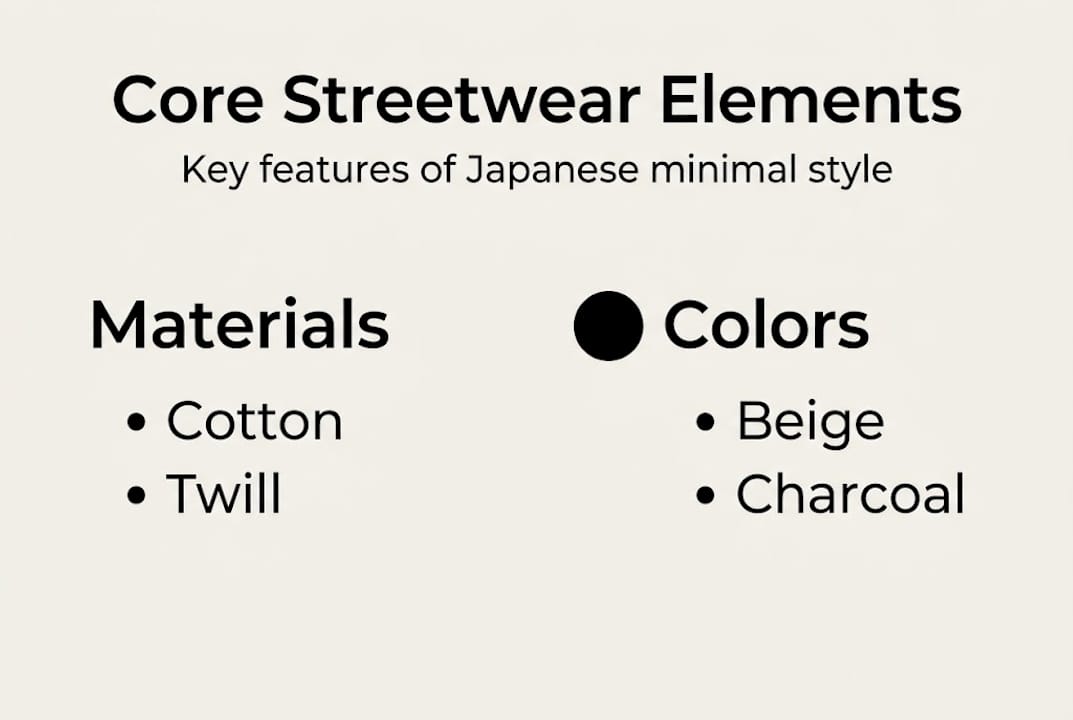
Quality fabrics and neutral, seasonless tones are essential to versatile streetwear. This is not about spending for the sake of it — it is about recognising that a premium fabric drapes differently, wears longer, and feels better against your skin than a cheaper alternative.

Preferred fabrics in versatile streetwear:
| Fabric | Why it works |
|---|---|
| Organic cotton | Breathable, soft, durable, and seasonless |
| Pima cotton | Ultra-soft with excellent shape retention |
| Technical blends | Lightweight, moisture-resistant, and structured |
| Natural fibre blends | Texture, warmth, and a refined hand-feel |
Colour is equally decisive. The palette of versatile streetwear is deliberately restrained:
- Black: The most adaptable tone. Works day, night, and every setting between.
- White and off-white: Clean and considered. Pairs with everything in the wardrobe.
- Grey: Adds depth without contrast. Ideal for layering.
- Beige and sand: Warm neutrals that feel effortless and refined.
- Olive: A functional tone that bridges casual and smart-casual effortlessly.
Design signatures complete the picture. Oversized silhouettes offer comfort and a contemporary edge. Subtle or absent logos keep the focus on fabric and form. Functional details — a well-placed zip, an interior pocket, a structured hem — add purpose without visual noise. Exploring limited edition streetwear shows how considered design choices elevate even the simplest garments.
You can find real-world examples of how these elements combine in thoughtfully curated Japanese minimalism outfits that demonstrate restraint as a genuine creative strength.
Pro Tip: When choosing between two similar pieces, always select the one built for longevity rather than the one chasing a passing trend. Timelessness is the most valuable quality in any wardrobe.
How to build your versatile streetwear wardrobe
Building a genuinely versatile wardrobe is less about shopping and more about editing. The goal is a curated collection where every piece earns its place through adaptability, quality, and compatibility with the rest of your wardrobe.
Mix-and-match functionality is a true pillar of versatile streetwear fashion. Start with intention rather than impulse.
Your versatile streetwear foundation:
- A premium oversized T-shirt in white, black, or grey
- Relaxed, tailored trousers in a neutral tone
- A technical or unstructured jacket for layering
- A clean, minimal hoodie or crewneck sweatshirt
- Minimal footwear that complements rather than competes
Once your foundation is in place, build outward deliberately:
- Establish your neutral base. Choose two or three primary neutral tones that you will build every outfit around.
- Introduce texture gradually. A ribbed knit over a smooth cotton tee adds depth without introducing colour conflict.
- Layer with purpose. Each layer should add warmth, structure, or visual interest — not just bulk.
- Test each piece against three contexts. Before buying, ask whether the piece works for a casual weekend, a working day, and a social evening.
- Replace, do not accumulate. When a piece no longer serves its function, swap it rather than adding to an already crowded wardrobe.
Understanding Japanese styling principles offers a genuinely useful framework for how to combine pieces with confidence and intention.
If you are new to the language of this movement, a streetwear terminology guide helps you navigate the vocabulary with ease, from silhouette types to fabric classifications.
Pro Tip: Go through your existing wardrobe and identify the loud, graphic-heavy pieces that rarely get worn. Swapping even one or two of these for seasonless basics will immediately expand the number of cohesive outfits you can build.
Why versatility, not hype, defines the future of streetwear
There is an uncomfortable truth at the heart of hype-driven fashion: it is designed to make you feel behind. The moment a drop lands, another is already being teased. This cycle encourages rapid consumption, wardrobe turnover, and a constant sense that your wardrobe is never quite right. It is exhausting, and increasingly, people are recognising it.
Nuanced minimalism is overtaking loud, hype-driven fashion trends in the Tokyo scene, and this shift reflects something deeper than aesthetics. It reflects a desire for intention, for pieces that carry meaning beyond their resale value.
Japan’s quiet innovation has always understood that true creativity lies in subtlety. The discipline required to design a perfect oversized tee — one that drapes just right, holds its shape, and works across every context — demands more skill than layering on graphics. Versatility is not a compromise. It is a higher standard.
We believe that adopting this approach elevates not just your wardrobe but your relationship with clothing itself. When each piece is chosen with care and worn with confidence, style becomes genuinely personal. Explore streetwear hype and Japanese style to understand why this movement continues to grow in 2026 and beyond.
Explore exclusive Japanese-inspired streetwear
At INCIDENT, we design garments that embody everything this guide describes — premium fabrics, considered silhouettes, and a Japandi-influenced philosophy that places craftsmanship above trend-chasing. Every piece is built to move between contexts, seasons, and occasions without losing its elegance.
If you are ready to begin building a wardrobe rooted in genuine versatility, INCIDENT Japanese streetwear offers a carefully curated selection of minimalist essentials. Our pima cotton T-shirts are a perfect starting point — ultra-soft, seasonless, and designed to anchor any outfit with quiet confidence. Your most versatile wardrobe begins with the right foundation.
Frequently asked questions
Can versatile streetwear be worn for formal occasions?
Yes, versatile streetwear pieces bridge casual and smart contexts through clean lines and neutral tones, making them well-suited to smart-casual or creative formal environments.
What colours are most common in versatile streetwear?
Black, white, grey, beige, and olive dominate because their adaptability and clean aesthetic make them easy to pair across any outfit. Neutral colours are a core attribute of the entire movement.
How is versatile streetwear different from regular streetwear?
Minimalism replaces heavy branding and graphics in versatile streetwear, with the emphasis shifting firmly toward quality, subtle detail, and long-term wearability rather than visual impact.
What fabrics are best for versatile streetwear?
High-quality cotton, technical fabrics, and natural fibre blends are preferred for their comfort, durability, and refined appearance. Quality fabrics underpin both versatility and long-term comfort.
Recommended
- Street fashion types: Japanese minimalism & modern styles – INCIDENT
- Streetwear lookbook: Japanese minimalism for your style – INCIDENT
- Men’s streetwear essentials: refined Japanese-inspired style – INCIDENT
- Build a timeless streetwear wardrobe: Japanese minimalist guide – INCIDENT
- Sleek Urban Black Shoulder Bag


Share:
Luxury loungewear explained: Effortless style, Japanese edge
Express individuality through minimalist Japanese streetwear